The Union Ministry of Health and Family Welfare has proposed two sets of changes to India's drug regulations that would tighten control over how bulk drugs are traded and how antimicrobial medicines are approved, according to details released on 19 November 2026 in New Delhi. One draft would create a separate wholesale licence for bulk drugs; the other would bring antimicrobials under the "new drug" framework, which requires central clearance. Both drafts are open for public comment for 30 days.
What changes for bulk drug wholesalers?
Wholesalers of bulk drugs would need a licence of their own, separate from the one used to sell finished formulations, according to the ministry's proposal as reported by DD News. At present, a single wholesale licence covers both. The draft, G.S.R. 987(E), amends the Drugs Rules, 1945, and adds a new application form, Form 19-BC, and a new licence form, Form 20-BC.
Under the proposal:
- the licence would list the categories of bulk drugs a wholesaler handles, including substances covered by the Narcotic Drugs and Psychotropic Substances (NDPS) Act, 1985;
- bulk drug sales would have to take place under the personal supervision of a competent person;
- existing licence holders would have to comply only when their current licence retention period ends or 12 months after the final rules are published, whichever is later.
The ministry said the aim is better regulatory control over bulk drug wholesale, stronger enforcement on antimicrobial resistance and closer tracking of the movement of NDPS drugs, along with greater accountability in the pharmaceutical supply chain. The Drugs Consultative Committee agreed to the change at its 67th meeting and the Drugs Technical Advisory Board at its 93rd meeting in February 2026, All India Radio reported.
Why are antimicrobials being moved under central oversight?
The second draft, G.S.R. 983(E), would amend the New Drugs and Clinical Trials Rules, 2019, by adding "antimicrobials" to the definition of a "new drug" in Rule 2(1)(w)(v), DD News reported, citing the Press Information Bureau. In practice, a manufacturer would first need permission from the Central Licensing Authority before applying to a State Licensing Authority for a manufacturing licence.
The ministry said manufacturing licences for some antimicrobial products had been issued without adequate checks, such as bioavailability, bioequivalence and stability studies. Without those assessments, it said, the quality, safety and efficacy of such medicines could be compromised, and substandard or ineffective antimicrobials may add to antimicrobial resistance (AMR). The ministry pointed to the G20 New Delhi Leaders' Declaration, which called for a One Health approach to AMR.
Why it matters
Taken together, the drafts shift more of the scrutiny of antimicrobials to the central regulator and create a separate, trackable licence category for the raw materials that go into medicines. The proposals come as the government focuses on India's dependence on imported pharmaceutical inputs: on the same day, Prime Minister Narendra Modi told a FICCI gathering that India imports billions of dollars of active pharmaceutical ingredients and bulk drugs each year.
What is confirmed and what is not
Both changes are drafts, not final rules. The reports reviewed did not give a fixed closing date for comments, because the 30-day window runs from the date copies of the Gazette are made available to the public. The dates of the two Gazette notifications given in the reports could not be independently cross-checked against the Gazette.
How to send comments
Objections and suggestions can be sent to the Under Secretary (Drugs), Ministry of Health and Family Welfare, U-6, Work Hall, C Wing, First Floor, Kartavya Bhawan-1, New Delhi 110001, or by email to drugsdiv-mohfw@gov.in.
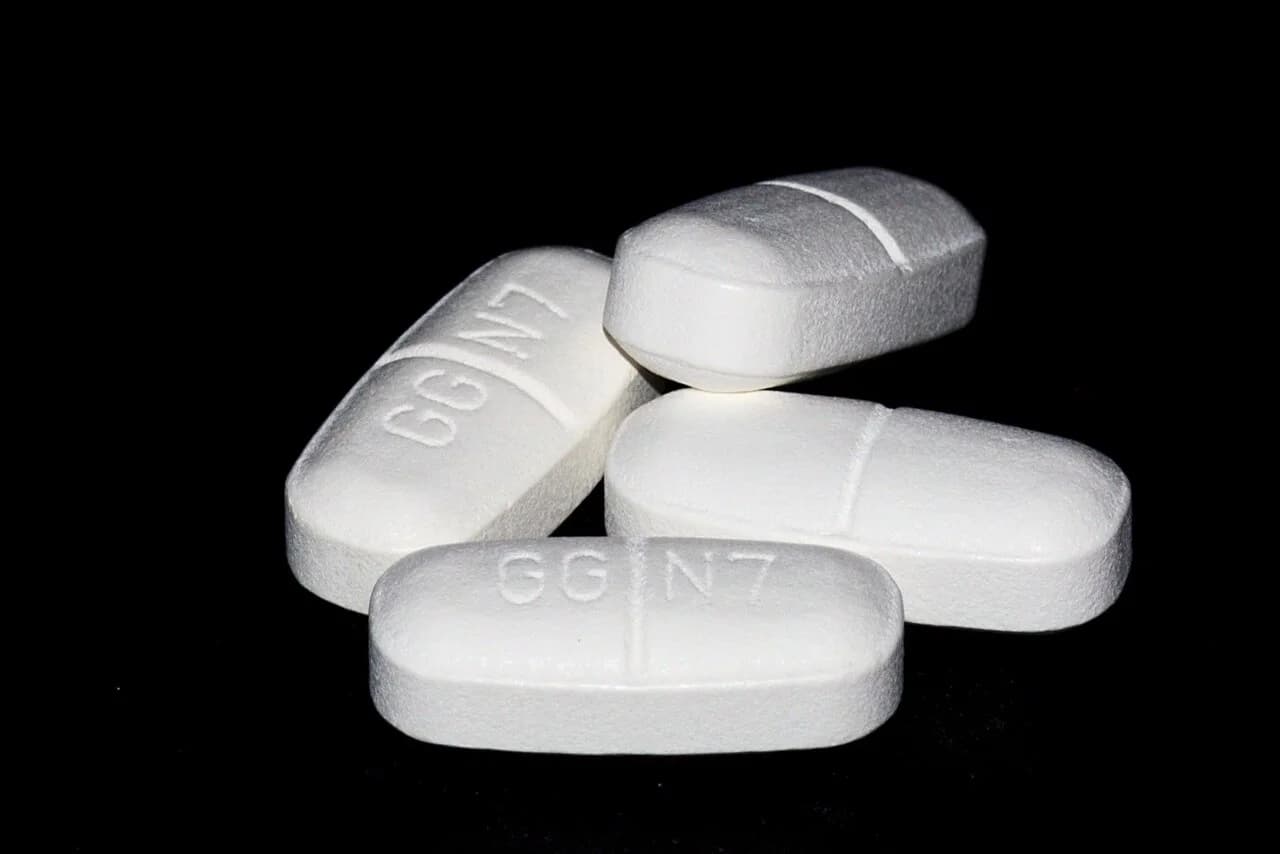
Photo source · Sage Ross, CC BY-SA 3.0