Health Canada, the country's federal health department, said on 23 November 2026 that it had seized nearly 4,000 vials of unauthorised injectable drugs, including so-called wellness peptides, from Canada Biogenix, a company in the province of New Brunswick. In a public advisory issued the same day, the regulator told people across Canada not to buy or use the products.
What did Health Canada seize?
The seizure covered injectable peptides, other injectable drugs, unauthorised drugs taken by mouth and equipment used to make, pack and label health products, according to the advisory. Health Canada said the company had been importing and labelling unauthorised human and veterinary drugs and selling them through its website for human use.
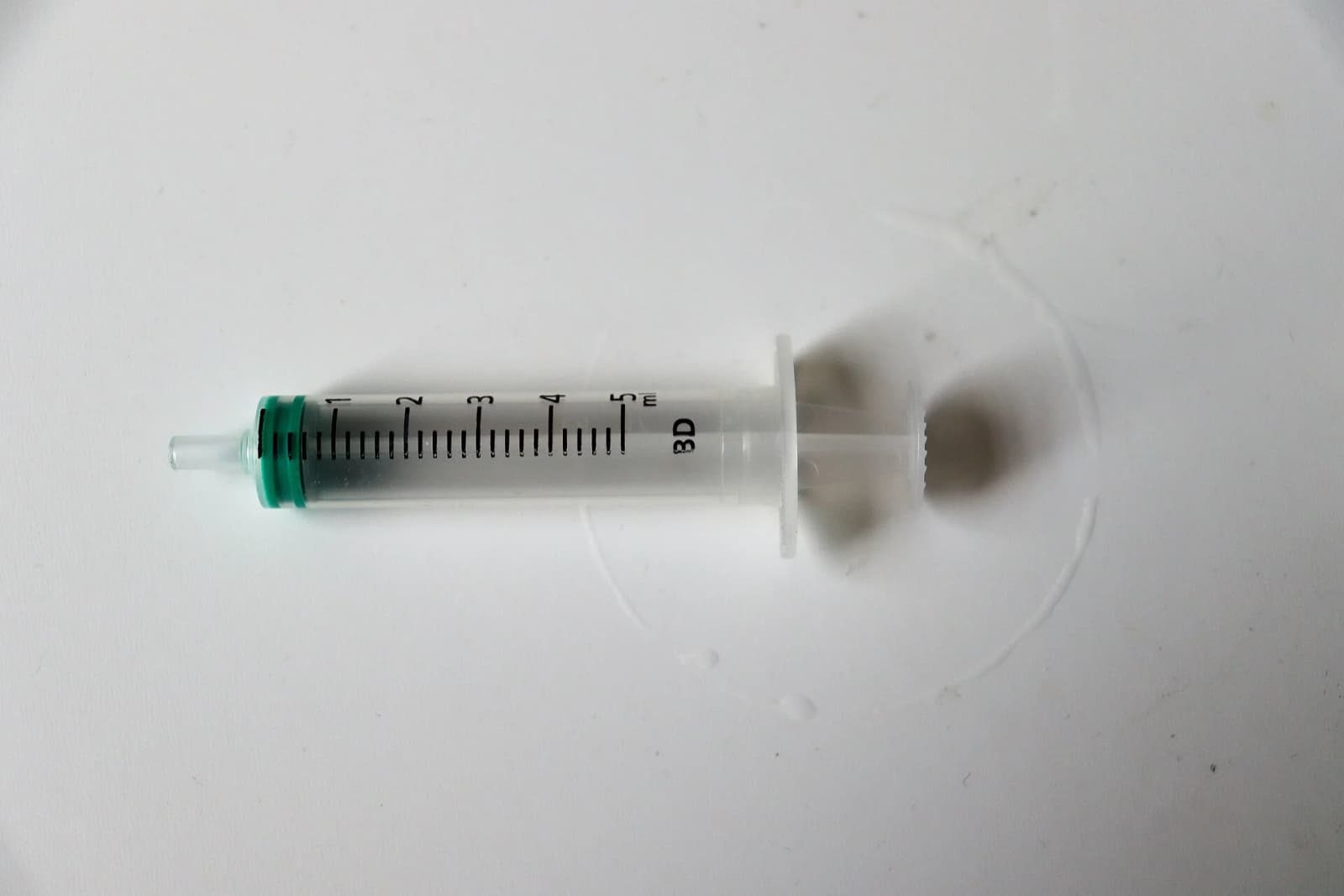
The list of injectable peptides runs to more than 30 names. It includes BPC-157, TB-500, GHK-CU, melanotan, and the weight-loss compounds semaglutide, tirzepatide and retatrutide. Other seized items included injectable NAD+, an experimental compound called SLU-PP-332, bacteriostatic water, methylene blue capsules and solution, and capsules of fenbendazole, a veterinary deworming drug, sold alone and combined with ivermectin.
Some products carried the label "For Research Purpose Only". Health Canada said such wording means a product was made for laboratory use, does not meet quality standards for human use and does not make the sale legal.
Why are these products considered risky?
Because nobody can know what is inside an unauthorised drug or how it was made, the regulator said. According to the advisory, such products may contain too much, too little or none of the active ingredient, or contaminants such as heavy metals, particles or bacteria, and the risks rise when the product is injected.
Health Canada said injectable peptides are often promoted for weight loss, muscle growth, anti-ageing or general wellness, but unauthorised versions may cause hormonal imbalance, mood swings, blood sugar problems, liver or kidney damage, blood clots and the growth of cancerous tumours. It described SLU-PP-332 as a compound marketed online as an "exercise mimetic" that has not been studied in human clinical trials and has no established safe dose. Fenbendazole, it noted, is not approved for human use in Canada.
What has the company done?
After Health Canada's enforcement action, Canada Biogenix stopped selling unauthorised drugs and began recalling the two products it had sold on Amazon, the advisory said. The bacteriostatic water is being recalled as a Type I recall and the methylene blue as a Type II recall; the other products were seized. Health Canada said it would keep seizing unauthorised drugs and would work with the Canada Border Services Agency to stop them entering the country.
What should consumers do?
- Do not buy or use the listed products, or any drug labelled "for research use only".
- Anyone who injected one of the products and develops redness, swelling or pain at the injection site, fever or chills should seek medical help at once, as these may signal a serious infection.
- In Canada, authorised drugs carry an eight-digit Drug Identification Number (DIN) on the label, and prescription drugs should be bought only from licensed pharmacies.
Why it matters beyond Canada
The case shows how injectable "wellness" products, including copies of prescription weight-loss drugs, are being sold online directly to consumers. Health Canada stressed that authorised prescription drugs should be used only under the care of a licensed health professional. In India, food safety regulators have also been acting against health-product makers: on 23 November, MapMyTimes reported that the Food Safety and Standards Authority of India suspended the licences of five nutraceutical manufacturers.
Health Canada has not said whether any illnesses have been linked to Canada Biogenix's products, and the advisory does not mention any charges.
Photo source · Mike Shaw (LittleDwangs), CC BY-SA 4.0