Armed violence in Haiti killed 4,595 people and injured 2,050 between January and 31 October this year, the UN human rights office (OHCHR) has said, warning that "atrocious abuses" by gangs are continuing even as security forces step up operations against them.
OHCHR spokesperson Marta Hurtado gave the figures to reporters in Geneva, UN News reported on Tuesday, 17 November. She said some numbers "have gone down a little" but that killings, rapes and the recruitment of children by gangs remain "awfully high".
The numbers
- July–September 2026: 1,167 people killed and 459 injured.
- Sexual violence: at least 340 women and girls were subjected to sexual violence in those three months, mostly gang rape. From January to September, 1,497 cases were recorded, with victims aged from seven to 80.
- Security operations: at least 514 people were killed and 235 injured in operations by national security forces against gangs between July and September. Some of those operations were supported by a private military company, OHCHR said.
- Extrajudicial killings: a further 44 people were reported killed by police outside anti-gang operations.
Gangs tighten their grip
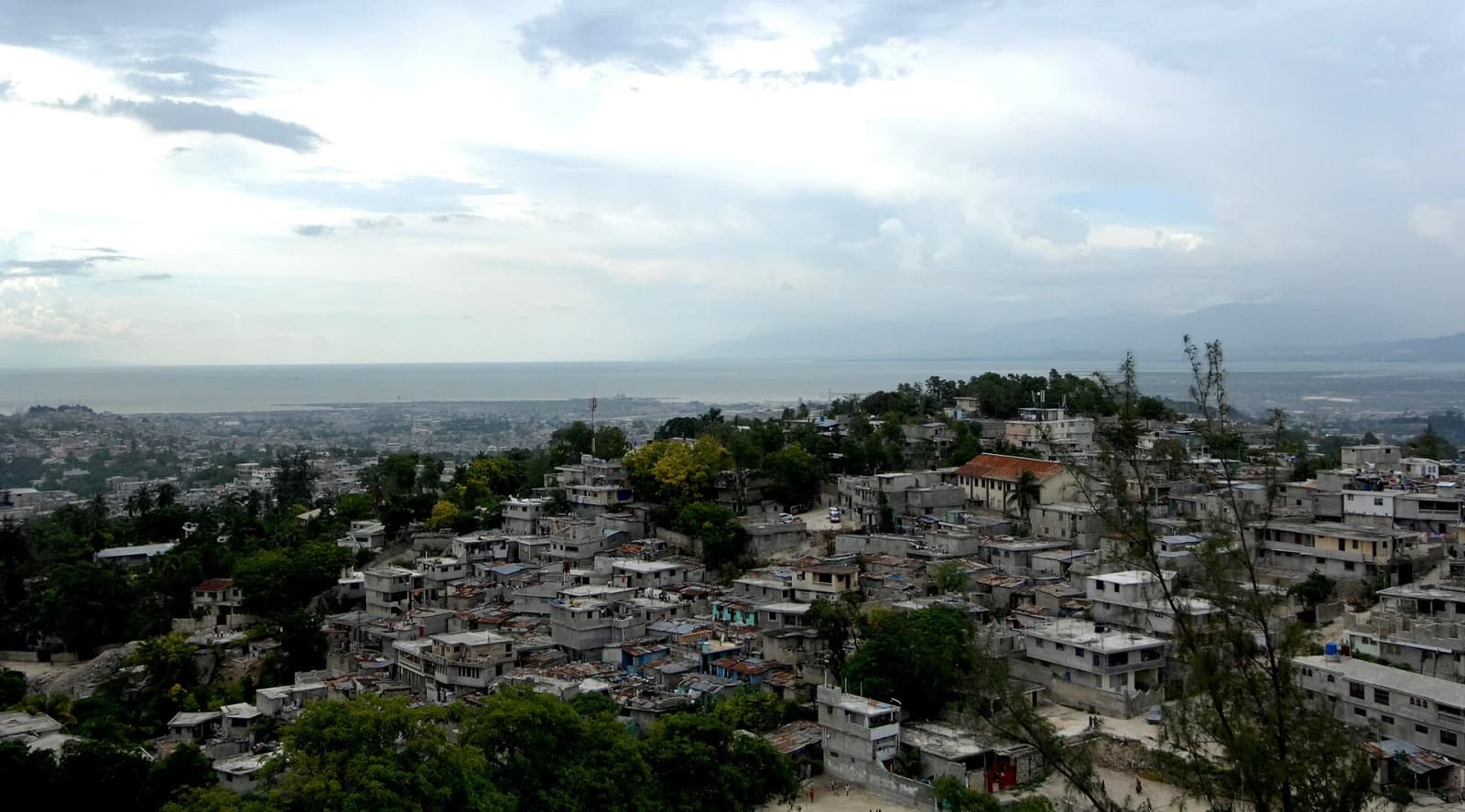
Armed groups control large parts of the capital, Port-au-Prince, and areas beyond it. According to OHCHR, gangs have retaliated against residents suspected of helping the security forces, carried out targeted kidnappings, stepped up the forced recruitment of children and young people and further restricted people's movement.
The office also said gangs have tried to influence upcoming elections through violence. In Cité Soleil, the leader of the "Brooklyn" gang allegedly drew up a list of candidates for municipal posts, and two residents who spoke out against it were shot dead.
'Firmly grounded' in human rights law
Hurtado said security operations must be "firmly grounded in" international human rights law. OHCHR asked Haiti's government to tighten oversight of the forces under its command, investigate alleged violations including extrajudicial executions, and hold those responsible to account.
UN human rights chief Volker Türk called on all security forces, whether or not they are part of the Gang Suppression Force, to put the protection of the population first. Lethal force, he said, should be a last resort, used only when unavoidable to protect life from an imminent threat.
What happens next
Türk urged the international community to deploy the UN Security Council-backed Gang Suppression Force promptly and in full, to sanction gang leaders and to go after those who control and profit from criminal networks. He also asked states to act urgently to stop weapons and ammunition reaching Haiti, in line with the Security Council's arms embargo.
OHCHR said it has trained more than 1,300 police officers involved in anti-gang operations on human rights standards this year, as well as newly arrived contingents of the Gang Suppression Force. It also called for better protection and support services, particularly for survivors of sexual violence, and for basic services to be restored in areas freed from gang control.
No dates were given for the force's full deployment or for the elections.