GWALIOR, Madhya Pradesh: Gwalior recorded 1,082 stubble burning incidents between September 15 and November 28, 2026, placing it first among all monitored districts across seven northern and central Indian states and territories in the latest satellite report issued by the Indian Agricultural Research Institute (ICAR), New Delhi.
According to data released on November 28 by the CREAMS Laboratory of ICAR's Agricultural Physics Division, district counts in Madhya Pradesh remain concentrated in the Gwalior-Chambal belt alongside rising detections in Jabalpur, even though statewide fire events dropped sharply by roughly 59% compared with last year.
District Rankings Across Monitored States
Across ICAR's Kharif 2026 remote-sensing monitoring covering Madhya Pradesh, Punjab, Haryana, Uttar Pradesh, Rajasthan, Uttarakhand, and Delhi, Gwalior's 1,082 active fire events outpaced both other Madhya Pradesh districts and high-incidence districts in Punjab and Uttar Pradesh.
- Gwalior (MP): 1,082 incidents (down from 1,735 in the same period of 2025, a reduction of 653 events).
- Datia (MP): 1,012 incidents, ranking second in Madhya Pradesh.
- Sheopur (MP): 963 incidents, remaining a key satellite hotspot.
- Comparison in other states: Ferozepur (Punjab) recorded 920 incidents, Maharajganj (Uttar Pradesh) 728, and Bathinda (Punjab) 652.
Statewide Decline, Penalties, and Enforcement Drive
Statewide, Madhya Pradesh logged 6,738 satellite-detected stubble burning events between September 15 and November 28, 2026, down from 16,579 during the corresponding window in 2025. Officials also noted that cloud cover over parts of the state interfered with satellite detection of some farm fires.
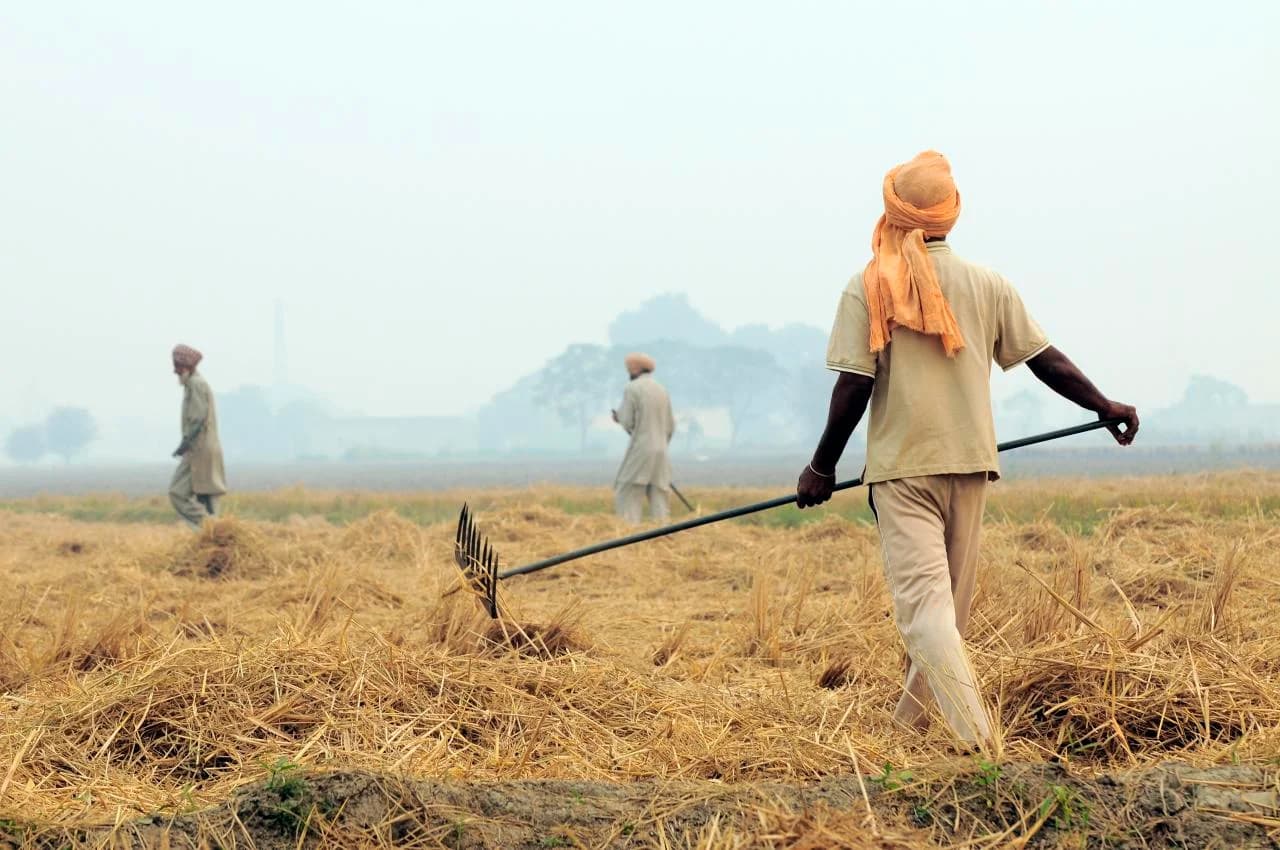
Under satellite-backed enforcement norms in Madhya Pradesh, environmental compensation penalties range from Rs 2,500 per incident for farmers holding less than 2 acres and Rs 5,000 for 2 to 5 acres, up to Rs 15,000 per incident for landholdings above 5 acres. Bhanuprakash Sharma, Deputy Director of the Farmer Welfare and Agriculture Department in Gwalior, said monitoring and enforcement drives are being stepped up where farmers burn crop residue to clear fields quickly for sowing.