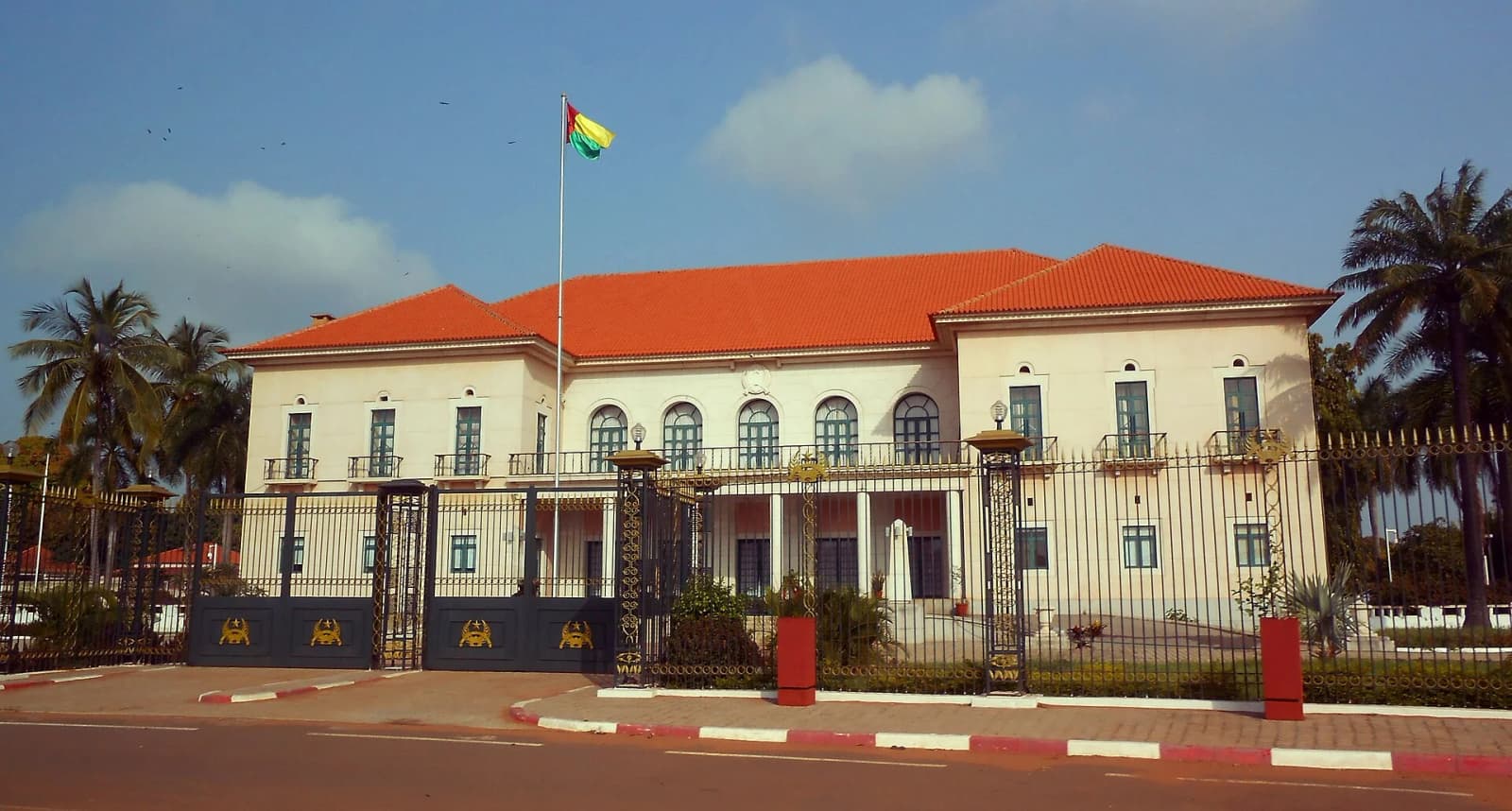
Guinea-Bissau's military government on 26 November 2026 postponed the West African country's presidential and legislative elections, due on 6 December, by two years to 26 November 2028. The new date was set in a decree signed by transitional President General Horta Inta-a and published by the presidency in Bissau, according to the Associated Press, which said it had seen the document.
The announcement came exactly one year after the army seized power, and it stretches a transition that was originally meant to last about a year.
Why did the junta delay the vote?
The decree blamed a lack of resources, citing "an insufficiency of the technical, material and financial conditions" needed to hold the polls, according to AFP reporting carried by TRT Afrika. AP reported that the document also warned that holding elections without meeting legal and operational requirements could damage their transparency, inclusiveness and credibility.
According to AFP, Inta-a said the process had to "guarantee the legality, transparency, inclusivity and credibility of the electoral process". The decree also announced Guinea-Bissau's first-ever municipal elections, with the stated aim to "institutionalise local authorities".
How did Guinea-Bissau get here?
Voters went to the polls on 23 November 2025. Three days later, on 26 November 2025, the military took power before official results were announced, ousting President Umaro Sissoco Embaló, who had been seeking another term. Both Embaló and opposition candidate Fernando Dias had claimed victory, AP reported.
Inta-a was then installed to lead a one-year transition back to civilian rule. A transitional charter published in early December 2025 barred him from standing in the election, Al Jazeera reported. In August 2026, voters approved constitutional changes in a referendum organised by the military that widened presidential powers and reduced the size of parliament.
The delay had been signalled. Last month Prime Minister Ilídio Vieira Té said conditions for a December vote were not in place, although he did not offer an alternative date. Embaló, now in exile in Morocco, had said he would contest the December election, but the military government barred him from returning last month, citing security and public order concerns.
Why does it matter?
Guinea-Bissau, a Portuguese-speaking nation of around 2.2 million people, has experienced repeated coups and attempted coups since independence from Portugal more than 50 years ago. It is also a transit point for cocaine moving from Latin America to Europe, a trade that experts say has fed its political instability. West Africa as a whole has seen a wave of military takeovers since 2020.
The regional bloc, the Economic Community of West African States (ECOWAS), had called for a short, structured and transparent return to civilian government.
What is confirmed and what is not?
The new election date and the decree's stated reasons are confirmed by AP and AFP reports. As of the latest reports, no response from ECOWAS, opposition parties or other governments to the postponement had been published, and the decree's details on interim arrangements or a timetable for the municipal polls were not reported.
What happens next?
Under the decree, presidential and legislative elections are now scheduled for 26 November 2028, with the military-led authorities remaining in charge until then.
Photo source · Joehawkins, CC BY-SA 4.0