GlaxoSmithKline Pharmaceuticals Limited (GSK India) on 24 November 2026 announced in Mumbai, Maharashtra, the launch of BLENREP (belantamab mafodotin), a targeted therapy for adults with multiple myeloma, a blood cancer, whose disease has returned or stopped responding after at least one earlier line of treatment. The company said in a press release filed with the stock exchanges that the drug has been approved by India's drug regulator, the Central Drugs Standard Control Organisation (CDSCO).
What is BLENREP and who can receive it?
BLENREP is an antibody-drug conjugate (ADC): an antibody that seeks out a protein called B-cell maturation antigen (BCMA) on myeloma cells, chemically linked to a potent cancer-killing agent, mafodotin. GSK describes it as the world's first approved ADC aimed at BCMA for multiple myeloma.
In India it is indicated for adults with relapsed or refractory multiple myeloma in two combinations:
- with bortezomib and dexamethasone, for patients who have had at least one prior therapy; and
- with pomalidomide and dexamethasone, for patients who have had at least one prior therapy that included lenalidomide.
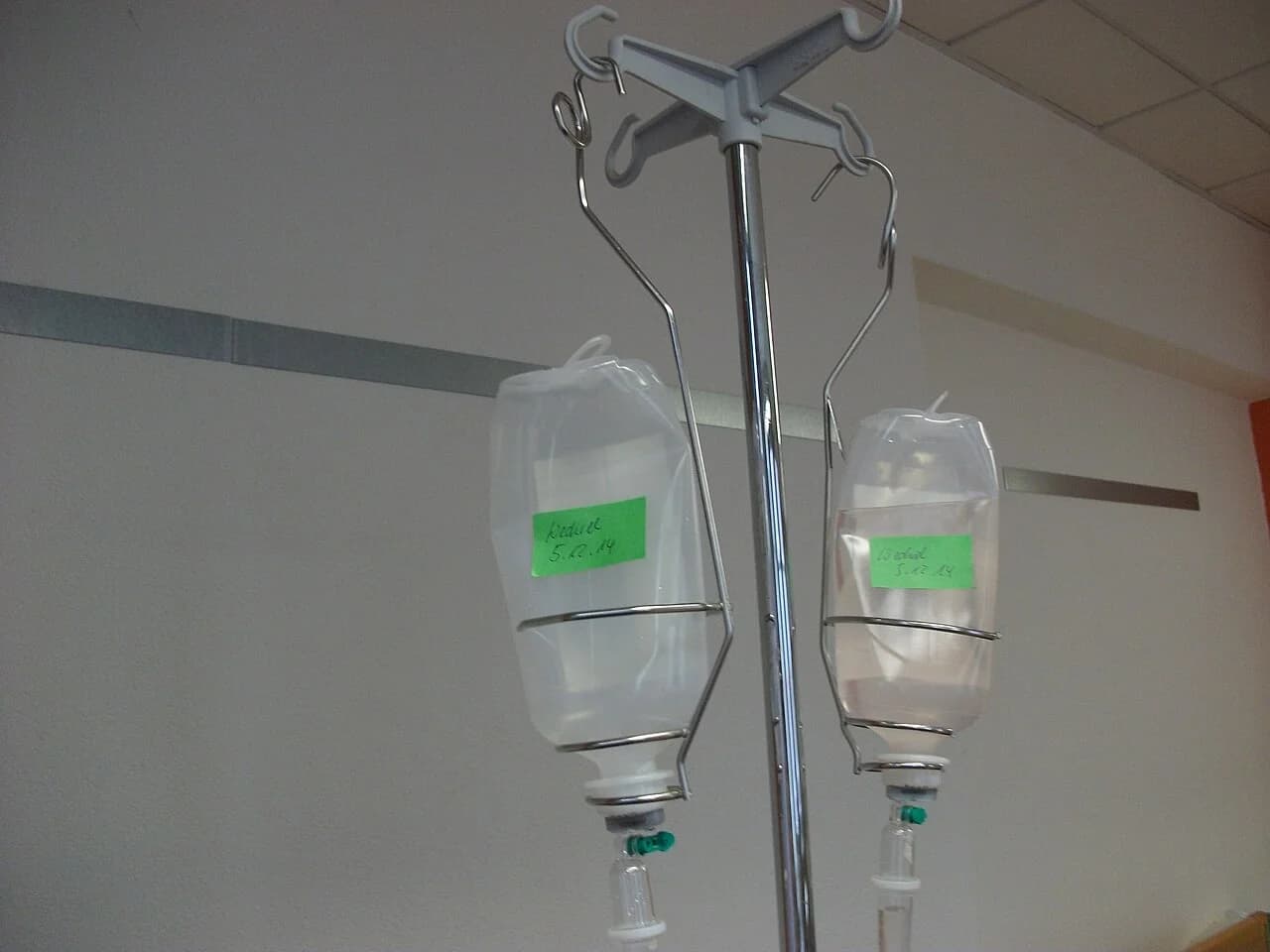
The drug is given as a 30-minute outpatient infusion and, according to the company, does not require mandatory hospital admission.
What do the trials show?
GSK bases the launch on two Phase III studies in its DREAMM (Driving Excellence in Approaches to Multiple Myeloma) programme. In DREAMM-7, patients on the BLENREP, bortezomib and dexamethasone combination went a median of 36.6 months before their disease progressed, against 13.4 months for a daratumumab-based comparison regimen, a 59% lower risk of progression or death.
In DREAMM-8, the BLENREP, pomalidomide and dexamethasone combination achieved a median progression-free survival of 32.6 months versus 12.5 months for the comparison arm, a 51% lower risk of progression or death.
The company acknowledges that the drug causes eye-related side effects. It says these are predictable and reversible and can be managed by adjusting the dose under established protocols.
Why it matters for Indian patients
Citing GLOBOCAN data from the International Agency for Research on Cancer, GSK said multiple myeloma is the second most common blood cancer worldwide, with more than 196,000 new cases globally in 2024, including 17,529 in India. The disease accounts for 1.1% of all new cancer cases in India and is generally treatable but not curable, with patients often relapsing repeatedly.
The release also says Indian patients are diagnosed about a decade earlier than patients in Western countries, and that access to specialised cancer facilities varies widely between cities and regions, which is why the company is stressing an outpatient treatment option.
What the company said
Bhushan Akshikar, Managing Director of GSK India, said the growing cancer burden was straining patients, families and the health system. "With the launch of BLENREP, we are expanding into haemato-oncology and extending our commitment to more patients with advanced cancers," he said, adding that GSK began its cancer business in India last year with Jemperli and Zejula for solid tumours.
Dr Shalini Menon, Executive Vice-President for Medical Affairs at GSK India, said the drug's mechanism of action, which attacks myeloma cells directly while also drawing on the immune system, represented "an important advancement in cancer care" for patients in India.
What is not yet known
The release does not give the price of the therapy in India or the date on which CDSCO granted approval. GSK said eligible patients can apply to its Phoenix Patient Support Programme, which it says is meant to improve affordability and access, but did not give eligibility details.
BLENREP is already approved by the US Food and Drug Administration (FDA), the UK's Medicines and Healthcare products Regulatory Agency (MHRA) and the European Medicines Agency. GSK announced the US FDA approval on 23 October 2025; in the US, the approval covers the bortezomib-dexamethasone combination for patients who have had at least two earlier lines of therapy.
GSK India said it is running 15 cancer clinical trials in the country, including studies of dostarlimab in head and neck cancer and colon cancer.
Photo source · Gruppe 2 ap0813, CC BY-SA 4.0