France's annual consumer price inflation eased to 2.9% in November 2026 from 3.4% in October, the national statistics institute Insee said in a provisional estimate published on 27 November 2026 in Paris. A sharp slowdown in petroleum product prices did most of the work, while fresh food became more expensive.
On a monthly basis, consumer prices fell 0.7% in November, reversing a 0.4% rise in October. The EU-harmonised index of consumer prices (HICP) also cooled, to 3.2% year on year from 3.7%, and likewise dropped 0.7% over the month.
What pulled French inflation below 3%?
Energy was the main driver: annual energy inflation slowed to 19.2% in November from 24.1% in October. Insee attributed this to a marked slowdown in petroleum product prices, which more than offset an acceleration in gas prices. The institute did not publish separate rates for fuel or gas in the provisional release.
Services, the largest component of the basket, also cooled. Service prices rose 2.3% year on year, down from 2.6% in October, which Insee linked mainly to slower increases in accommodation and transport prices. Over the month, services prices fell, pulled down by a seasonal decline in transport costs.
Which prices went up?
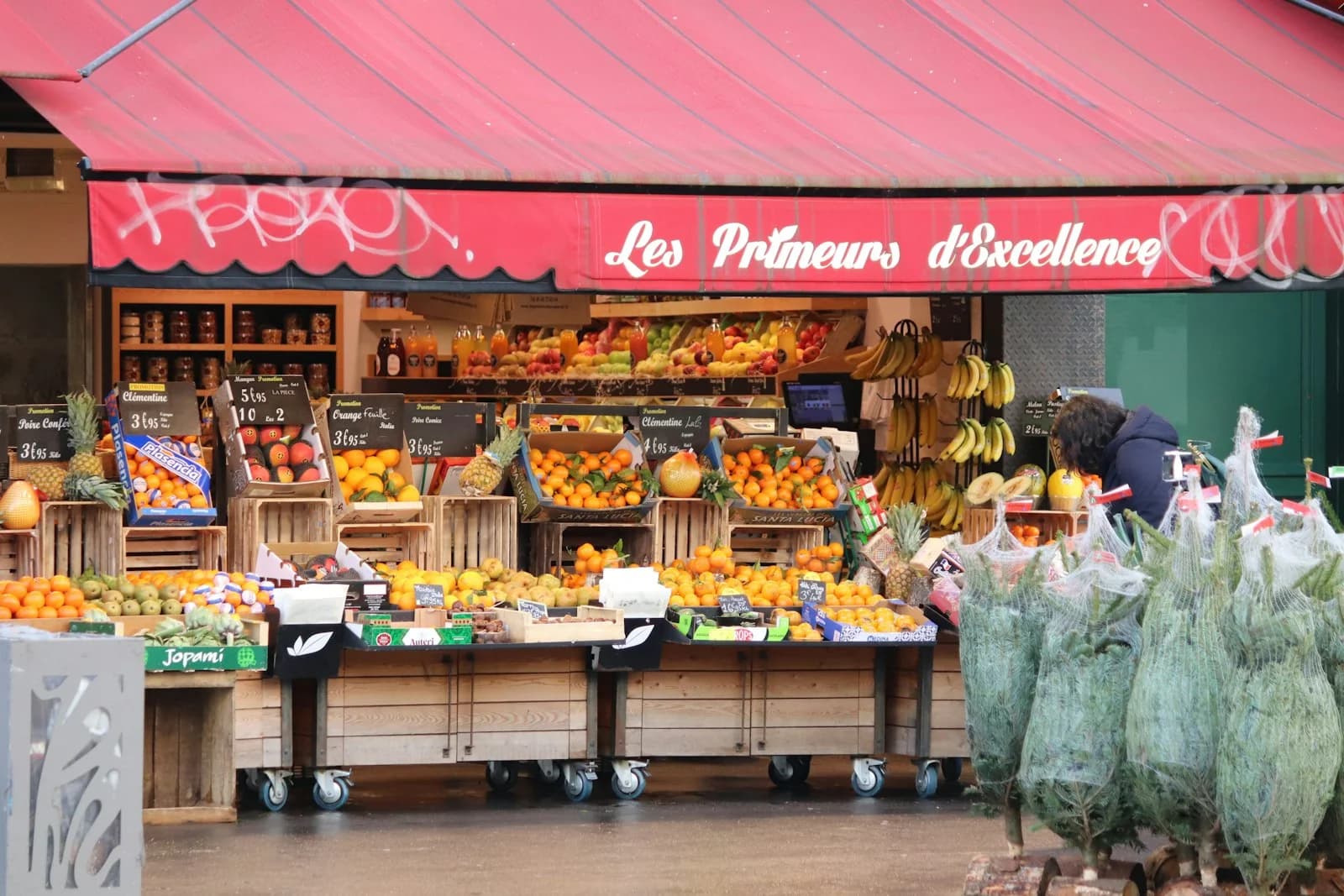
Food inflation edged higher to 1.3% from 1.2%. The rise came from fresh products, whose annual inflation climbed to 9.4% from 8.0%, while other food prices rose just 0.2%, compared with 0.3% in October. Tobacco prices were up 3.2% on the year after 3.3%, and manufactured goods prices were 0.2% lower than a year earlier, unchanged from October's pace.
How does this compare with recent months?
The November figure marks a turn after inflation had been climbing. In its final October data released on 13 November, Insee confirmed that consumer prices were 3.4% higher than a year earlier, up from 3.1% in September, with energy prices then rising 24.1% and the harmonised index at 3.7%. Underlying inflation, which strips out volatile items, was 1.7% in October; the provisional November release does not include an underlying measure.
France is the second major euro-area economy this week to report easing price pressure from cheaper fuel. Spain's statistics office reported earlier on 27 November that Spanish inflation fell to 4.1% in November, also helped by falling fuel prices. Price trends in the bloc's largest economies feed into the European Central Bank's assessment of inflation, at a time when euro-area governments have just agreed on Pablo Hernández de Cos as their pick to lead the ECB.
Why does it matter?
Energy remains the outlier in France's price data. Even after November's slowdown, energy prices are almost a fifth higher than a year ago, while manufactured goods are slightly cheaper and core food items are barely moving. That leaves the headline rate sensitive to further swings in oil and gas markets.
The 0.7% monthly drop also offers some relief to households after October's increase, though Insee cautions that the provisional index is based on a restricted sample of prices and partial estimates, and should not be used for contractual price revisions.
What happens next?
Insee will publish final November results on 11 December 2026 at 08:45 Paris time, when the figures may be revised. The provisional estimate for December is scheduled for 5 January 2027.