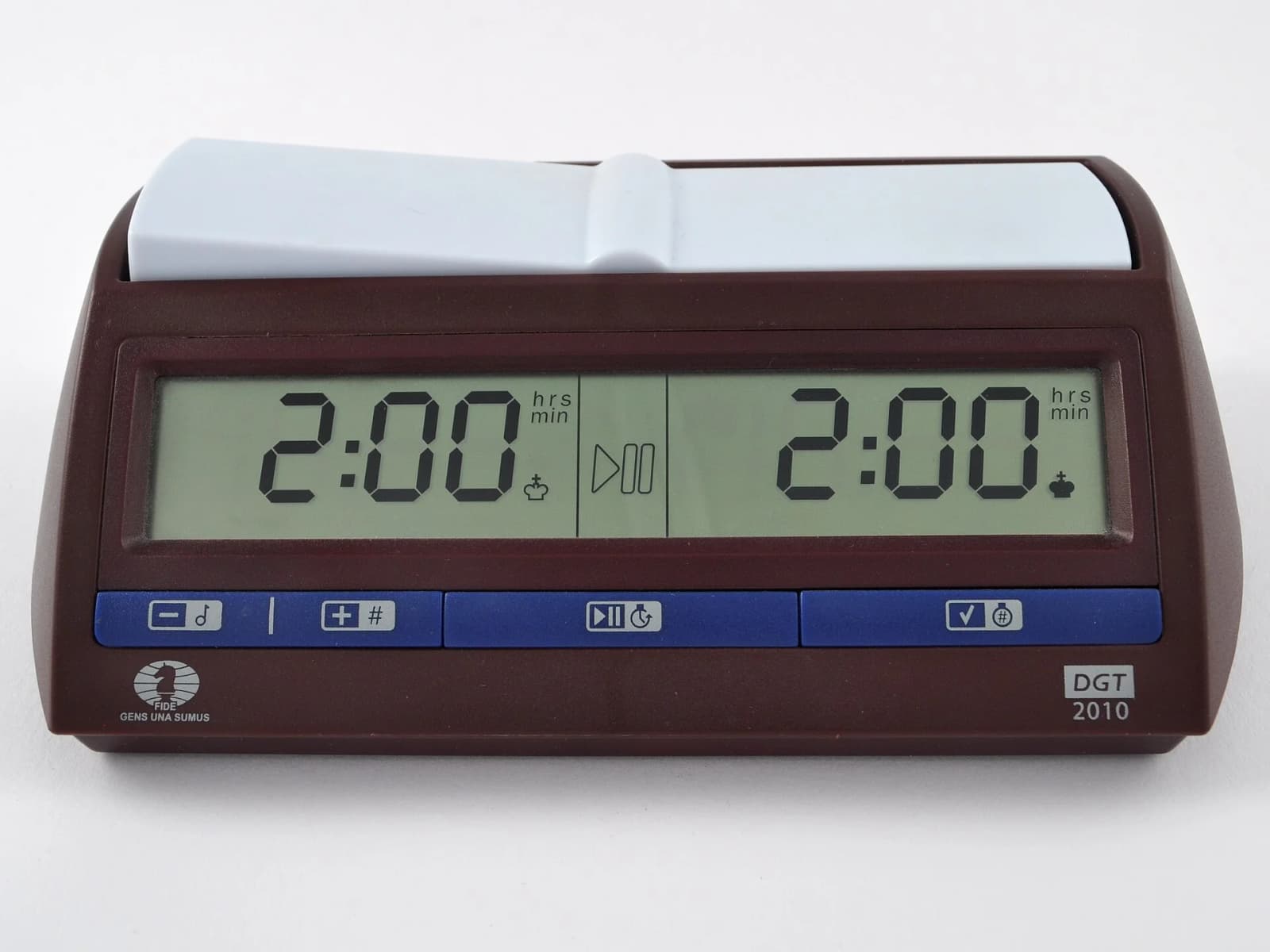
Classical chess no longer has to mean marathon sessions at the board. The International Chess Federation (FIDE) said on Friday, 13 November 2026, that games played at 60 minutes per player with a 30-second increment will now be treated as a standard time control, counting towards standard ratings and title norms without any special approval. A shorter 45-minute format has also been cleared for use, though only in specific kinds of tournaments.
According to FIDE's announcement, the change flows from a resolution of the FIDE Council and takes effect immediately, even as national federations are being asked to weigh in before the rules are settled for good.
What exactly has changed
- 60 minutes + 30 seconds per move: now a standard time control in its own right. Games at this pace are eligible for standard rating and can be used for title norms.
- 45 minutes + 30 seconds per move: allowed in tournaments eligible for the FIDE Circuit, and in events where no participant is rated above 2400.
FIDE has attached safeguards for games at these faster controls to count for ratings and norms. Organisers can schedule no more than two rounds a day. The exception is events that are rated only, with no titles or norms at stake: there, more rounds are permitted as long as total playing time stays within 12 hours a day. In addition, a player may count no more than one norm earned at such events towards any single title.
Why FIDE is making the move
FIDE pointed to the growing popularity of hour-long and shorter classical games. It credited organiser Oleg Skvortsov's Zurich Chess Challenge with helping bring 40-minute games into fashion among elite players in the mid-2010s. The federation began a pilot project in autumn 2025 to let such time controls count for classical ratings, and the topic was discussed repeatedly through 2025 and 2026, including at this year's General Assembly, after feedback from players, organisers, partners and grandmasters.
"The world is changing rapidly, and chess is evolving with it," FIDE President Timur Turlov said in the statement.
Why it matters for players and organisers
For tournament organisers, shorter rated games mean more rounds can fit into fewer days, which can cut venue and accommodation costs. For players chasing titles, it opens more routes to norms, although the one-norm cap means a title cannot be built entirely from faster events.
What happens next
Turlov said national federations would have the chance to discuss the changes in December. FIDE said federations will review the new rules ahead of an extraordinary General Assembly in December 2026, where they can propose amendments; if they do, the FIDE Council will adjust the regulations. The federation has circulated a briefing paper explaining the background, timeline and reasoning, and has asked federations and top players for feedback.
Separately, FIDE's Qualification Commission will study how the changes play out. It is to recommend whether 45 minutes plus 30 seconds should become a permanent standard time control, and whether tournaments at both the 45- and 60-minute rates should count for titles and norms without the current restrictions.
PS · Ajepbah, CC BY-SA 3.0