India's wholesale inflation climbed to 12.29% in October 2026, the highest reading in the current Wholesale Price Index (WPI) series, according to data released by the Ministry of Commerce and Industry on Monday, 16 November. It was the second month in a row above 10%, and it arrived four days after official figures showed retail inflation crossing the Reserve Bank of India's 6% ceiling. This explainer sets out what the numbers say, why they have risen, how economists and the government's chief economic adviser read them, and what remains unsettled before the RBI's rate decision in early December.
Our news report on the release: Wholesale inflation climbs to 12.29% in October as fuel and power prices surge 32.84%
What the October data shows
The all-commodities index stood at 113.3 in October, against 112.5 in September and 100.9 in October 2025, Business Standard reported from the ministry's release. That works out to a year-on-year rise of 12.29%, up from 11.39% in September, and a month-on-month increase of about 0.7%.
The current series uses 2022-23 as its base year. The Hindu noted that it has data only from April 2024, so October's figure is the highest since at least then and a longer historical comparison is not possible on this series.
- Fuel and power: inflation of 32.84%, up from 25.85% in September. Business Standard calculated that this group accounted for 83 of the 90 basis points by which the headline rate rose.
- Crude petroleum and natural gas: 70.8%, against 57.32% a month earlier. Mint reported mineral oils at 45.57%, up from 40.02%.
- Electricity: 8.06%, having been at minus 0.43% in September. Coal rose to 10.5% from 9.3%.
- Primary articles: 9.24%, up from 8.67% and a 31-month high. Food articles within this group were at 8.26%, a 22-month high.
- Manufactured products: 9.54%, slightly below September's 9.76%. This group carries a weight of 63.1% in the index, and seven manufacturing sectors, among them tobacco, textiles and chemicals, showed double-digit inflation.
- WPI food index: 8.58%, marginally lower than 8.66% in September.
How wholesale inflation got here
A year ago the picture was the reverse. Mint reported that WPI inflation was minus 1.18% in October 2025, and Business Standard put the average for April to October of 2025-26 at a contraction of 0.3%. In the same seven months of 2026-27 the average is 10.14%.
The climb has been quick: 9.92% in August, 11.39% in September and 12.29% in October. Reports in all three newspapers link it mainly to energy prices pushed up by the prolonged West Asia crisis. The low level of prices a year ago magnifies the annual rate. The Hindu pointed out that the fuel and power segment was contracting for large parts of 2025, and that crude petroleum and natural gas prices had fallen 7.2% in October last year.
The retail picture
Retail inflation, measured by the Consumer Price Index (CPI) with base year 2024, was 6.09% in October on a provisional basis, according to the statistics ministry's release of 12 November. The September figure was 5.54%. Rural inflation was 6.63% and urban inflation 5.41%.
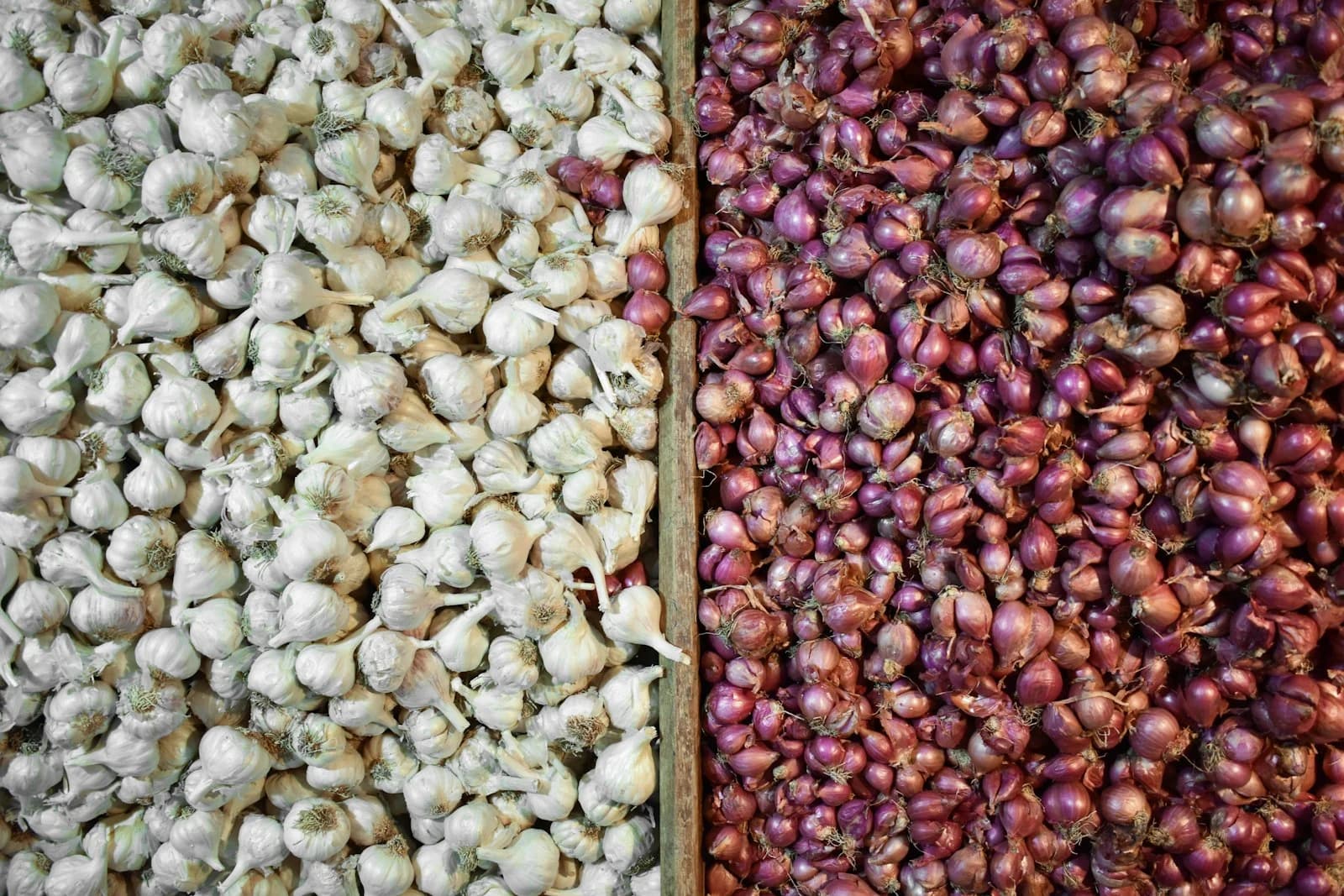
Food was the main pressure point. The Consumer Food Price Index rose 8.94%. The release listed onion (116.22%) and garlic (60.74%) among the items with the highest inflation, while potato prices were 14.24% lower than a year earlier.
The RBI is mandated to keep retail inflation between 2% and 6%. Mint reported that the central bank raised its repo rate in October from 5.25% to 5.50%, its first increase in nearly four years, and that the Monetary Policy Committee next meets from 2 to 4 December.
What economists and the government's adviser say
Several economists said the wholesale figures strengthen the case for another rate increase. Payal V. Pandya, vice-president at Bajaj Broking Prive, told Business Standard that a hike at the coming meeting "now looks almost certain". Pranjal Ghate of Brickwork Ratings told the newspaper he expects a 25-basis-point increase to 5.75%, followed by a pause.
Madan Sabnavis, chief economist at Bank of Baroda, told The Hindu that high inflation in manufactured goods "will pressurise companies into increasing their product prices at some point of time", and that this would show up in the core part of the CPI in the coming months, depending on what industry does.
The government's Chief Economic Adviser, V. Anantha Nageswaran, has taken a different line on the remedy. Speaking at the 9th Annual Food Systems Dialogue on 13 November, he said, as quoted by Business Standard: "Raising interest rates will not solve supply-induced problems. If anything, it may even be counterproductive." He argued that fiscal and other public policy measures would have to do more of the work.
Madhavankutty G, chief economist at Canara Bank, told the same newspaper that monetary policy is largely ineffective against supply shocks such as a geopolitical surge in crude, but that demand-side price pressures in health, personal care and education "cannot be ignored".
What it means for households and borrowers
Wholesale prices are not what shoppers pay, and the WPI is not the RBI's target. Business Standard noted that wholesale inflation is not actively considered in setting monetary policy. Its relevance is as an early signal of costs that businesses may pass on.
Mint reported analysts as saying that the wide gap between wholesale and retail inflation reflects both the different make-up of the two indices and the inability of businesses to pass rising costs fully to consumers. Sabnavis told Business Standard that companies have so far passed on only a limited part of the increase in input costs.
For borrowers, the question is interest rates. A Bloomberg report carried by Business Standard said economists and traders expect the RBI to raise the benchmark rate by a further 50 to 75 basis points in the coming months, to as high as 6.25%. Apoorva Javadekar, head of research at Shriram Research, called rising prices and borrowing costs "a double whammy for India" that would affect consumption, especially in rural areas.
What is established and what is uncertain
Established
- WPI inflation was 12.29% in October 2026, against 11.39% in September, in the Commerce and Industry Ministry's data, with fuel and power at 32.84%. The Hindu, Business Standard and Mint reported the same figures.
- CPI inflation was 6.09% (provisional) in October, above the RBI's 6% upper limit, with food inflation at 8.94%, according to the statistics ministry's release.
- The October figures are provisional and the new WPI series does not allow comparisons before April 2024.
Uncertain
- Whether October was the peak. Mint reported analysts as saying it may have been. India Ratings chief economist Devendra Pant expects about 11.5% in November if the rupee's gains and weaker crude persist, and ICRA expects 11.6%. The same report said analysts still expect double-digit readings for a few more months, with a substantial fall only from April 2027.
- Oil. Mint put Brent crude at around $95 a barrel, down from an October peak of about $116. Rajani Sinha, chief economist at CareEdge Ratings, told the newspaper the risk of renewed conflict remains elevated at least until January 2027.
- What the RBI will do, and whether it will work. Market economists expect a hike; the Chief Economic Adviser has questioned whether higher rates can address supply-driven inflation. The RBI has not announced any decision.
- How much reaches consumers. Economists expect some pass-through to retail prices but say its size depends on companies' pricing decisions.
What happens next
The Monetary Policy Committee meets from 2 to 4 December. Before that, crude oil prices and the rupee are the indicators economists quoted in these reports are watching most closely.