Smartphone prices in India's online market rose 16.6% in the 12 months to October 2026, according to a study by technology research firm Techarc reported on 28 November 2026, and the firm blames a global shortage of memory chips. Techarc has given the trend a name, "memflation". This explainer sets out what the term means, why memory has become scarce, and what it means for people buying a phone or laptop in India.
What is memflation?
Memflation is Techarc's shorthand for memory-led inflation, meaning price rises in gadgets that are driven by the rising cost of the memory chips inside them. Tracking online prices of 1,097 products from January 2025 to October 2026, the firm found that memory-heavy categories, such as smartphones, laptops, tablets, smart TVs, routers and security cameras, switched from falling prices to sharp increases from November 2025, The Hindu reported.
Smartphone prices had fallen 7.3% between January and October 2025 before climbing 16.6% over the next 12 months. Laptops rose 13.5% and tablets 13.3% over the same period. MapMyTimes reported the study's findings on 29 November.
Why is it in the news?
It is in the news because the Techarc figures show the increase falling unevenly, with the cheapest devices hit hardest. Entry-level smartphones priced up to ₹12,000 rose 21.9% on average, while premium models above ₹1 lakh became 5.7% cheaper. The cheapest third of laptops rose 20.1% and the cheapest third of tablets 27.5%.
The study also found a gap between brands. Market leaders Samsung and Google kept smartphone price changes under 4%, while challenger brands raised prices by 14% to 22%, which Techarc linked to their heavier reliance on spot-market memory prices. Gadgets that use little memory moved the other way: wireless earbuds fell 16.3%, robot vacuum cleaners 12.8% and smartwatches 7.5%, which the study put down to intense retail competition.
Why are memory chips in short supply?
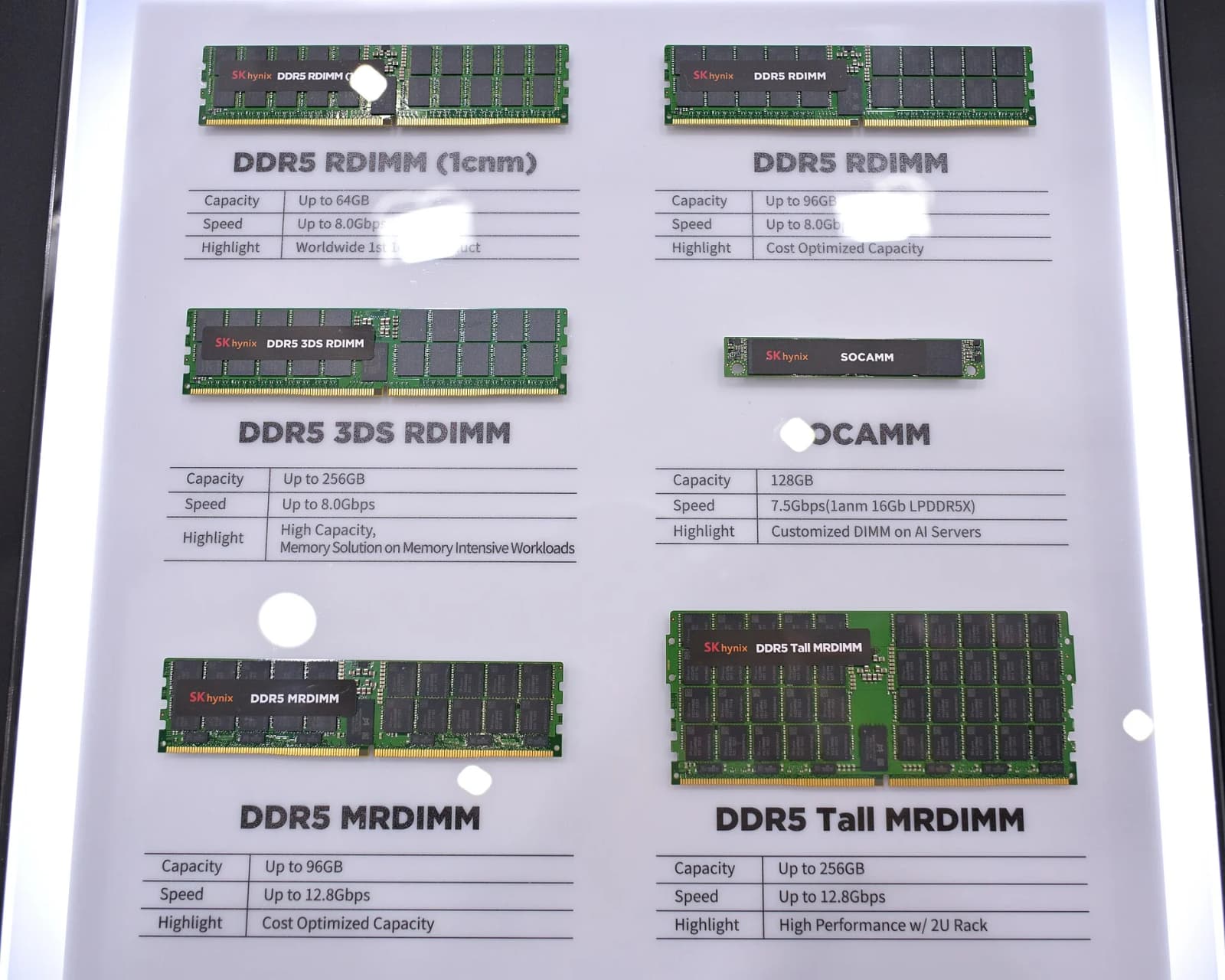
Memory is scarce mainly because demand from artificial intelligence (AI) data centres has outrun what chipmakers can produce. In a report published on 11 November 2026, Counterpoint Research said demand for high-performance memory, including DDR5, had grown to support AI and data centres, while manufacturing had shifted away from older DDR4 chips that are still used in entry-level phones. According to Counterpoint, memory prices more than doubled between the third quarter of 2025 and the first quarter of 2026, rose a further 80-90% in the second quarter and 15-30% in the third.
The makers themselves expect the squeeze to last. South Korean chipmaker SK hynix said in its results statement of 28 October 2026 that supply "is not keeping pace with the growth of the market" and that it expects demand to exceed supply through 2030, citing the technical difficulty of leading-edge processes and the long time needed to build new factories. It said long-term agreements with customers already cover more than half of its production capacity for 2027 and 2028.
Why are budget phones hit harder than premium ones?
Budget phones are hit harder because memory makes up a much larger share of what they cost to build. Counterpoint estimated in its November report that memory now accounts for 54% of the bill of materials of a low-end smartphone, up from 20% in the third quarter of 2025. In an expensive phone, the same rise in chip prices is a smaller part of the total, and Techarc found that brands relying less on spot-market memory prices raised prices far less.
How does it affect you?
If you are shopping for an entry-level or mid-range phone, laptop or tablet, you are likely to pay more than a year ago, or get less hardware for the same money. Counterpoint's price tracker, published on 3 September 2026, found that retail prices of existing smartphone models had risen about 15% globally in 2026, and 21% in India, the steepest of the regions it listed. It said manufacturers were trimming specifications, for example offering lower storage, fewer camera configurations and more 4G models, while buyers were delaying upgrades or turning to pre-owned phones, financing and trade-in offers.
Not everything is costlier. According to Techarc, accessories that need little memory, such as earbuds and smartwatches, have become cheaper. Techarc's figures cover online prices, so prices in physical stores may differ.
What is established and what is uncertain?
It is established that memory prices have risen steeply since late 2025 and that several independent trackers, including Techarc and Counterpoint, have recorded higher device prices as a result. MapMyTimes has relied on The Hindu's account of the Techarc study; the full dataset was not available to us.
What is uncertain is how long it will last. Techarc expects cost pressure on memory-heavy electronics to persist through 2027. Counterpoint expects memory prices to keep rising, more slowly, through the first quarter of 2027, with stability returning by mid-2027. SK hynix's 2030 view is a company forecast about demand and supply, not a price prediction for any particular device.
What happens next?
Demand for phones is likely to weaken while prices stay high. Counterpoint expects global smartphone shipments to fall 15% in 2026, which it describes as the largest annual drop on record, with shipments of phones below $99 forecast to fall 36%. Signals worth watching in the coming months include launch prices of new budget models, memory contract prices reported by research firms, and progress on new chip factories, which SK hynix says take a long time to build.
Photo source · 4300streetcar, CC BY 4.0