The Press Information Bureau (PIB) published a backgrounder on rural tourism in India on 29 November 2026 in New Delhi. It sets out how the Union government is trying to turn villages into tourist destinations through homestays, clusters of villages and national recognition schemes. It also gives the latest figures on spending, training and tribal homestays.
Why is the government pushing rural tourism?
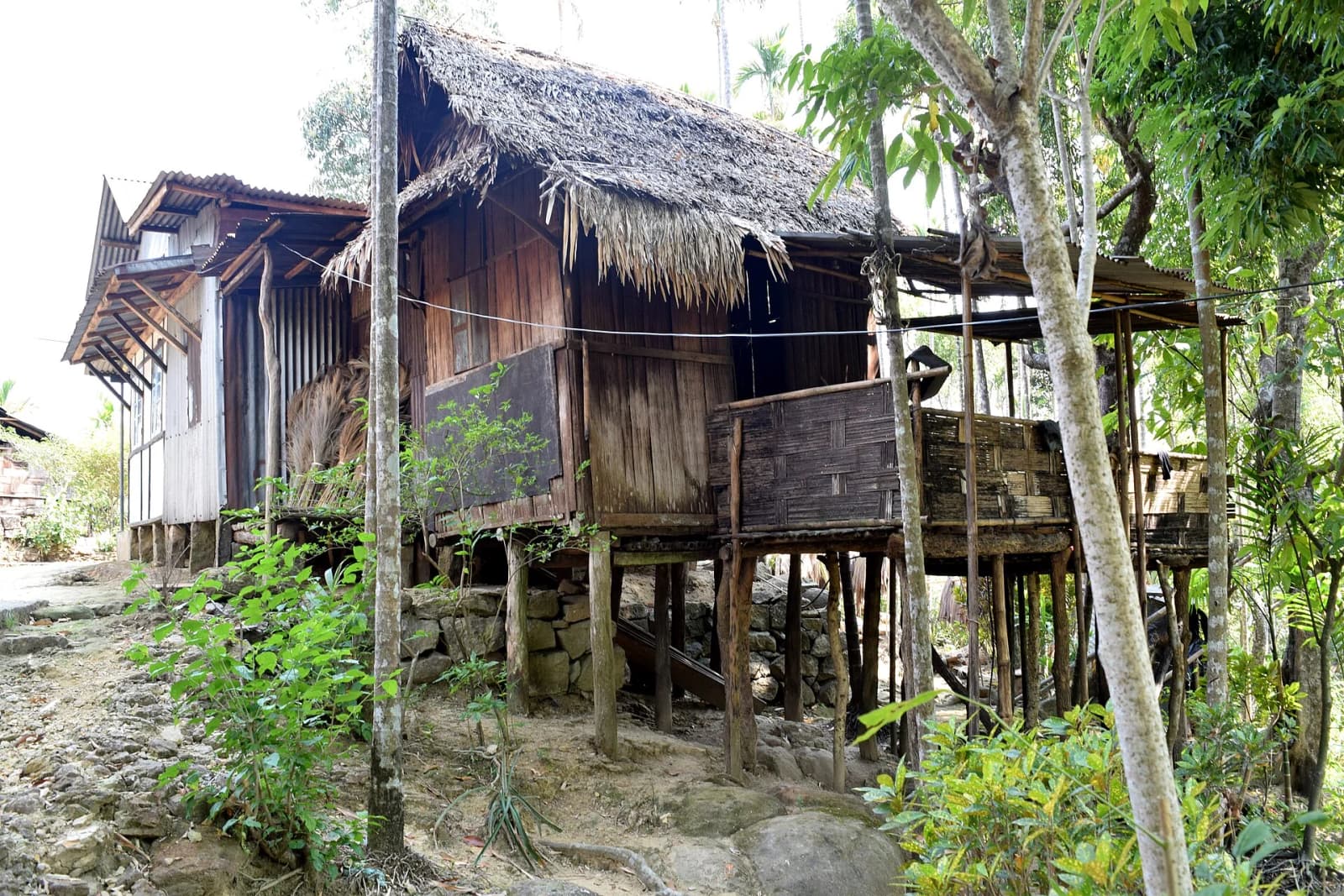
The government's case is that tourism can bring villages a source of income other than farming. According to the backgrounder, homestays, farm visits, craft workshops and local food let farming households, artisans and young people earn from visitors without giving up their traditional work.
The document puts numbers on this using India's Tourism Satellite Account. Among tourism sub-sectors, homestays have the highest employment multiplier (4.38) and the highest output multiplier (2.04). Each unit of extra homestay output is linked to 0.42 units of extra agricultural output, because guests eat local produce.
What is the policy framework?
Two national documents shape the effort. The National Strategy and Roadmap for Development of Rural Tourism, drawn up in December 2021, proposes grouping five to seven villages into tourism clusters. Each cluster would get plans for last-mile connectivity, sanitation, waste management, digital infrastructure and marketing. A National Strategy for Promotion of Rural Homestays followed in 2022. It encourages states to offer subsidies and other support to homestay owners.
The backgrounder says developing destinations is mainly the job of state and Union Territory governments, with the Centre supporting them. It cites state examples. Sikkim's Mega Homestay Scheme is building more than 1,000 homestays, some in traditional Bhutia, Lepcha and Nepali styles. Madhya Pradesh revised its Gram Stay scheme in 2026 to cover homestays run by cooperatives and self-help groups in gram panchayat areas.
How much money and support is involved?
- Swadesh Darshan rural circuit: As of 9 March 2026, two projects had been sanctioned, in Bihar (Bhitiharwa-Chandrahia-Turkaulia) and Kerala (Malanad Malabar Cruise Tourism). Of the ₹101.62 crore sanctioned, ₹86.19 crore had been released. A separate ₹17.86-crore rural cluster project at Gunji in Pithoragarh, Uttarakhand, was approved under Swadesh Darshan 2.0 in March 2024.
- Tribal homestays: A sub-scheme under the Dharti Aaba Janjatiya Gram Utkarsh Abhiyan (DA-JGUA), launched in 2025-26, aims to build 1,000 tribal homestays. Households can get up to ₹5 lakh to build two new rooms and ₹3 lakh to renovate existing ones, and villages up to ₹5 lakh for shared needs. Projects worth ₹24.53 crore had been approved in eight states and UTs as of 29 September 2026.
- Credit: The Union Budget 2025-26 created a separate homestay category under the Pradhan Mantri MUDRA Yojana. A guide to MUDRA loans for homestays was released on 27 September 2025.
- Training: About 4,382 people had been trained under the Paryatan Mitra and Paryatan Didi initiative by March 2026.
Which villages have been recognised?
The Best Tourism Villages Competition, started in 2023, drew 991 entries from 30 states and UTs in its 2024 edition, up from 795 in the first round. Thirty-six villages won across eight categories. They include Kumarakom in Kerala for agri-tourism, Sualkuchi in Assam for craft, Harsil and Gunji in Uttarakhand as vibrant villages, and Minicoy Island in Lakshadweep for community-based tourism. Pochampally in Telangana (2021) and Dhordo in Gujarat (2023) have also won the United Nations tourism body's Best Tourism Village title.
States are also marketing village stays on their own. In November, MapMyTimes reported that Madhya Pradesh would present its rural homestays at USTOA 2026.
What does this mean for travellers, and what comes next?
Travellers can look up village destinations and homestays on the Rural Tourism Village Portal, which the Ministry of Tourism launched on 16 February 2023, and on Incredible India's channels. According to the backgrounder, the next stage is to run rural tourism as an organised, community-led activity through village clusters, wider digital listings and more local businesses. The document does not give new targets or deadlines for that stage.
Photo source · Sujan Bandyopadhyay, CC BY-SA 4.0