A coalition of Other Backward Classes (OBC) organisations declared at New Delhi's Ramlila Maidan on Saturday, 28 November 2026, that its member groups would boycott Census 2027 until the population-enumeration forms carry a specific OBC column and a drop-down list of castes. The declaration, reported by MapMyTimes on Saturday, comes three days before house-to-house counting begins in four states. This explainer sets out what the dispute is about, what has been established so far and what remains uncertain.
What is the dispute over the caste question in Census 2027?
The dispute is about how caste will be written down, not whether it will be counted. The Cabinet Committee on Political Affairs approved caste enumeration in the census on 30 April 2025, according to a government document published by the Press Information Bureau. Census 2027 is therefore the first count since Independence to record caste beyond the Scheduled Castes (SC) and Scheduled Tribes (ST).
The questionnaire for the population-enumeration phase, notified on 14 August 2026, has 40 questions. Under its format, SC and ST respondents choose from notified category options, while all other respondents type or state their caste in an open text field. No pre-loaded list of OBC castes is offered.
Why is it in the news?
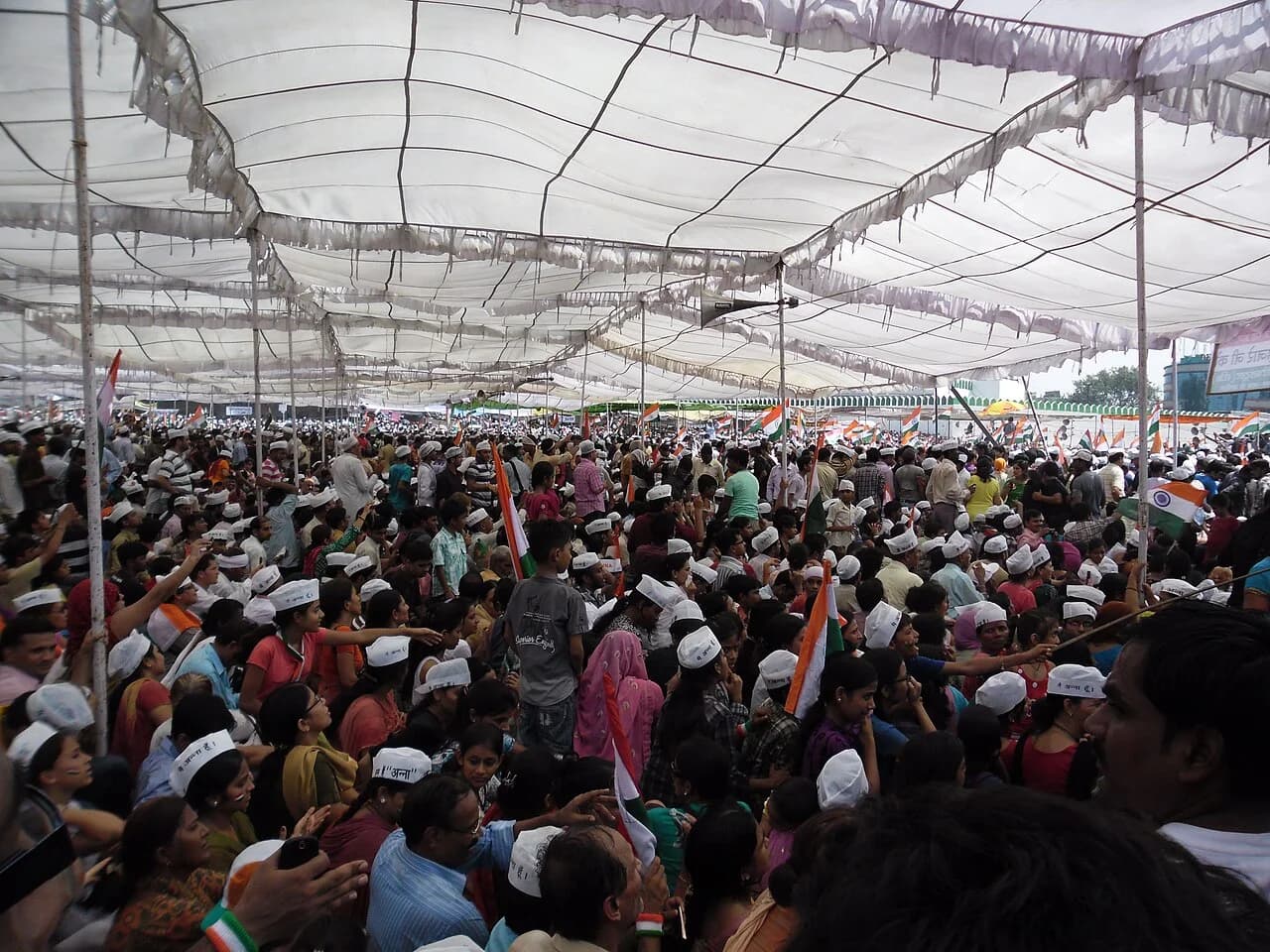
It is in the news because the All India Caste Census Coordination Committee (AICCCC), which brings together OBC groups from several states, adopted a boycott declaration at its Ramlila Maidan rally on 28 November. Speakers included Yogendra Yadav of Bharat Jodo Abhiyaan, who said a caste census would only be meaningful if every OBC caste was correctly identified and counted, and Dharmendra Kushwaha of the OBC Mahasabha.
The coalition's demands, as reported, are:
- a separate OBC column on the census form;
- a drop-down list of castes with a standard code for each community and sub-group;
- a specific method for counting nomadic and denotified tribes;
- removal of the "no caste" and "do not wish to disclose" options.
The organisers argue that open text entries would create inconsistent spellings and duplicate names for the same community. They cite the 2011 Socio-Economic and Caste Census, which, according to the coalition, recorded more than 46 lakh distinct caste-name entries and whose caste data was never published in consolidated form.
What does the government say?
The Centre has not announced any change to the format. Its stated reasoning for the open field, as reported before the rally, is that the existing Central and state OBC lists do not provide a uniform list of individual castes, and some entries describe broad social or occupational groups rather than single castes. On 28 October 2026, the Supreme Court allowed the OBC Federation of India to submit a representation to the Registrar General and Census Commissioner of India, treating the format as a matter for the census authorities rather than ordering an immediate change. No response from the Ministry of Home Affairs or the Registrar General to the Saturday declaration had been reported at the time of writing.
How does it affect you?
For most households, nothing changes yet: the census questionnaire remains as notified, and the caste question will be asked during the population-enumeration phase. The timing depends on where you live.
- Goa, Punjab, Uttar Pradesh and non-snow-bound Uttarakhand: online self-enumeration is open until 30 November 2026; enumerators visit homes from 1 December 2026 to 4 January 2027, with a revisional round from 5 to 9 January 2027, as reported when self-enumeration opened.
- Rest of the country: self-enumeration from 10 to 24 January 2027 and house visits from 25 January to 28 February 2027, with a reference date of 00:00 hours on 1 March 2027.
Self-enumeration is optional. Households that file online receive a Self-Enumeration ID to show the enumerator; those that do not will still be visited. Information collected is confidential under the Census Act, 1948.
What is established and what is uncertain?
Established: caste is being counted; the questionnaire uses an open field for non-SC/ST respondents; the AICCCC adopted a boycott declaration on 28 November; and counting in four states starts on 1 December.
Uncertain: how many households will actually stay away from the census, whether groups outside the coalition will join, and whether the government will revise the form or issue a standard caste code list for use when the data is processed. The 46-lakh figure for 2011 entries is the coalition's claim and has not been independently checked here.
What happens next?
The next marker is 1 December, when enumerators begin house visits in Uttar Pradesh, Punjab, Goa and most of Uttarakhand; turnout there will show whether the boycott call has any effect on the ground. The OBC Federation of India's representation is pending before the Registrar General following the Supreme Court's October order. Any change to the questionnaire would have to come before the nationwide house visits start on 25 January 2027.
Photo source · Hemant banswal, CC BY-SA 4.0