When Delta Air Lines' computers stopped producing weight-and-balance figures on Sunday, 22 November 2026, hundreds of aircraft that were fuelled, crewed and boarded could not leave the gate. The episode, which MapMyTimes reported as US Thanksgiving travel got under way, has left many travellers asking what this behind-the-scenes calculation is, and why an airline cannot simply fly without it. This explainer sets out what is established and what is still unclear.
What is weight and balance?
Weight and balance is the check that an aircraft is not too heavy and that its load is distributed so the plane stays controllable. The US Federal Aviation Administration (FAA), in chapter 10 of its Pilot's Handbook of Aeronautical Knowledge, says compliance with these limits "is critical to flight safety". It explains that flying above the maximum weight compromises an aircraft's structural integrity and hurts its performance, while operating with the centre of gravity outside approved limits "results in control difficulty".
The centre of gravity, the FAA handbook says, is the point at which an aircraft would balance if suspended there. It is not fixed: it moves as passengers, bags, cargo and fuel are placed or used. Too far forward and the aircraft becomes nose-heavy; too far back and it becomes tail-heavy, and in extreme cases the pilot may be unable to control it.
Why is it in the news?
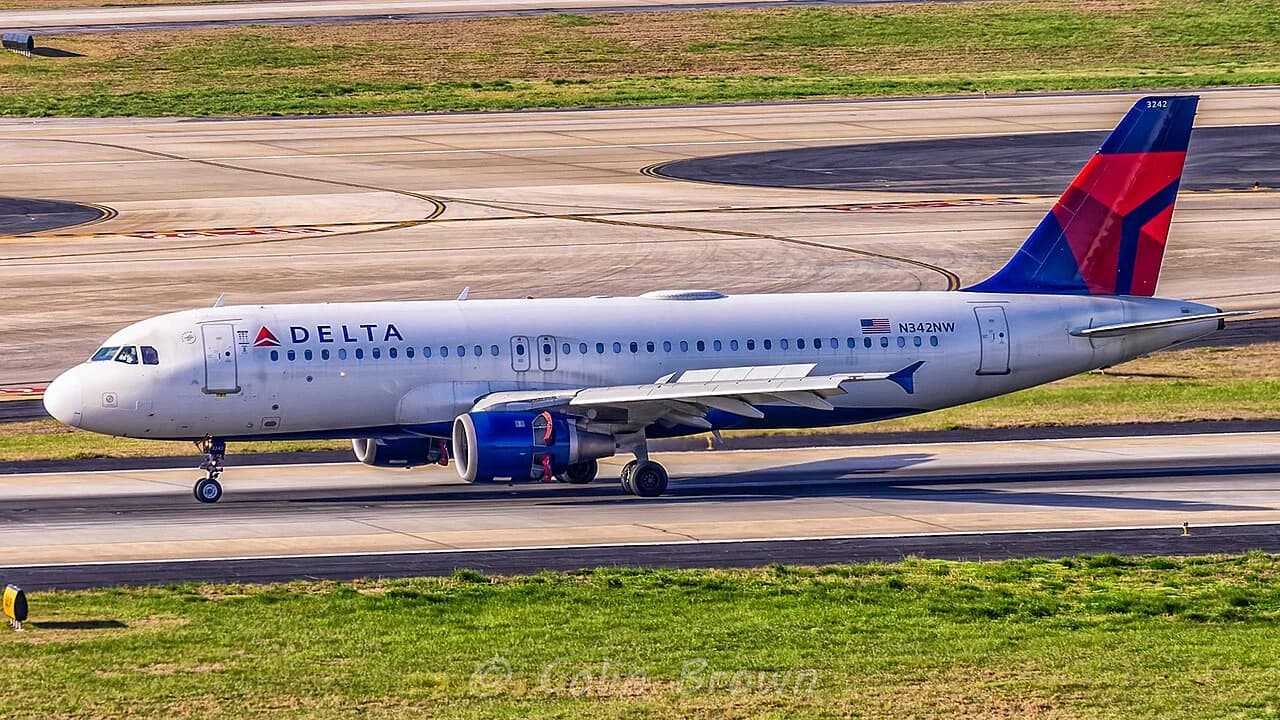
It is in the news because two large US airlines have had weight-and-balance systems fail within a week, at the start of the holiday season. On 22 November, Delta reported an automation problem affecting weight-and-balance calculations for departing flights. At Delta's request, the FAA temporarily stopped Delta flights bound for Hartsfield-Jackson Atlanta International Airport and then shifted to a ground delay programme, according to Newsweek. Delta told the outlet that roughly 70% of the delays and cancellations shown on FlightAware that day stemmed from the automation problem, out of about 5,000 scheduled mainline and Delta Connection flights, and said its teams were "using manual workarounds" to get flights out safely. The airline later said the automation had been restored.
Six days earlier, on Monday, 16 November, United Airlines suffered what it called a "widespread system outage". Aviation news site AirlineGeeks reported that crews at several airports, including Denver, Chicago O'Hare, Newark and Los Angeles, could not obtain the final weight-and-balance figures required before departure. United said it had resolved "a technology issue that delayed flight departures" and that there was "no indication that this was a cybersecurity-related issue".
A day after Delta's outage, on 23 November, the FAA separately paused flights into Chicago O'Hare because of staffing at the Chicago Terminal Radar Approach Control, Newsweek reported.
How do airlines calculate it?
Airlines calculate it for every flight using approved programmes that combine the aircraft's own weight with estimates or counts of what is loaded. The FAA's advisory circular AC 120-27F, Aircraft Weight and Balance Control (dated 6 May 2019), guides US operators on building these programmes. It lets eligible carriers use standard average weights for passengers and bags rather than weighing each person, with an allowance of 5 pounds for summer clothing and 10 pounds for winter clothing added to survey-based body weights. The circular quotes the rule that each airline "is responsible for the preparation and accuracy of a load manifest form before each takeoff".
The same document notes that loading schedules are often computerised and that automation, such as using seat assignments, can make the calculation more accurate. That is why a software failure matters so much: the final figures crews need before closing the door now normally come from a central system.
Why can't flights just leave without it?
Flights cannot leave without it because the numbers feed directly into whether a take-off is safe. The FAA handbook lists the effects of overloading, including a higher take-off speed, a longer take-off run, a reduced rate of climb and a higher stalling speed, and warns that an overloaded aircraft "may not be able to leave the ground". Without verified figures, crews cannot confirm the aircraft is within its certified limits.
Manual calculation is the fallback, which is what Delta said its teams used on 22 November. It is slower, so even when it works, departures bunch up and delays spread across a hub.
Has this happened before?
Yes. On 1 April 2019, an outage at Aerodata, a supplier whose system is used to distribute weight on aircraft, delayed flights at several US carriers, including Delta, American, United and Southwest, Fortune reported at the time. FlightAware counted more than 2,900 delayed flights by mid-morning US Eastern Time that day.
What is established and what is uncertain?
- Established: Delta's 22 November disruption was caused mainly by an automation problem in weight-and-balance calculations, and the FAA held Atlanta-bound Delta flights at the airline's request. United's 16 November delays involved crews being unable to get final weight-and-balance figures.
- Uncertain: Neither airline has publicly detailed the technical root cause, and there is no public indication that the two outages are connected.
How does it affect you, and what happens next?
For passengers, the practical effect is delay rather than danger: when the system fails, aircraft wait at the gate until figures are confirmed. With the American Automobile Association forecasting 5.96 million domestic air travellers over the Thanksgiving period from 24 to 30 November, travellers should track flight status in their airline's app and on the FAA's airport status page before leaving for the airport. Whether regulators or airlines review back-up arrangements after two failures in one week has not been announced.
Photo source · Colin Brown, CC BY 2.0