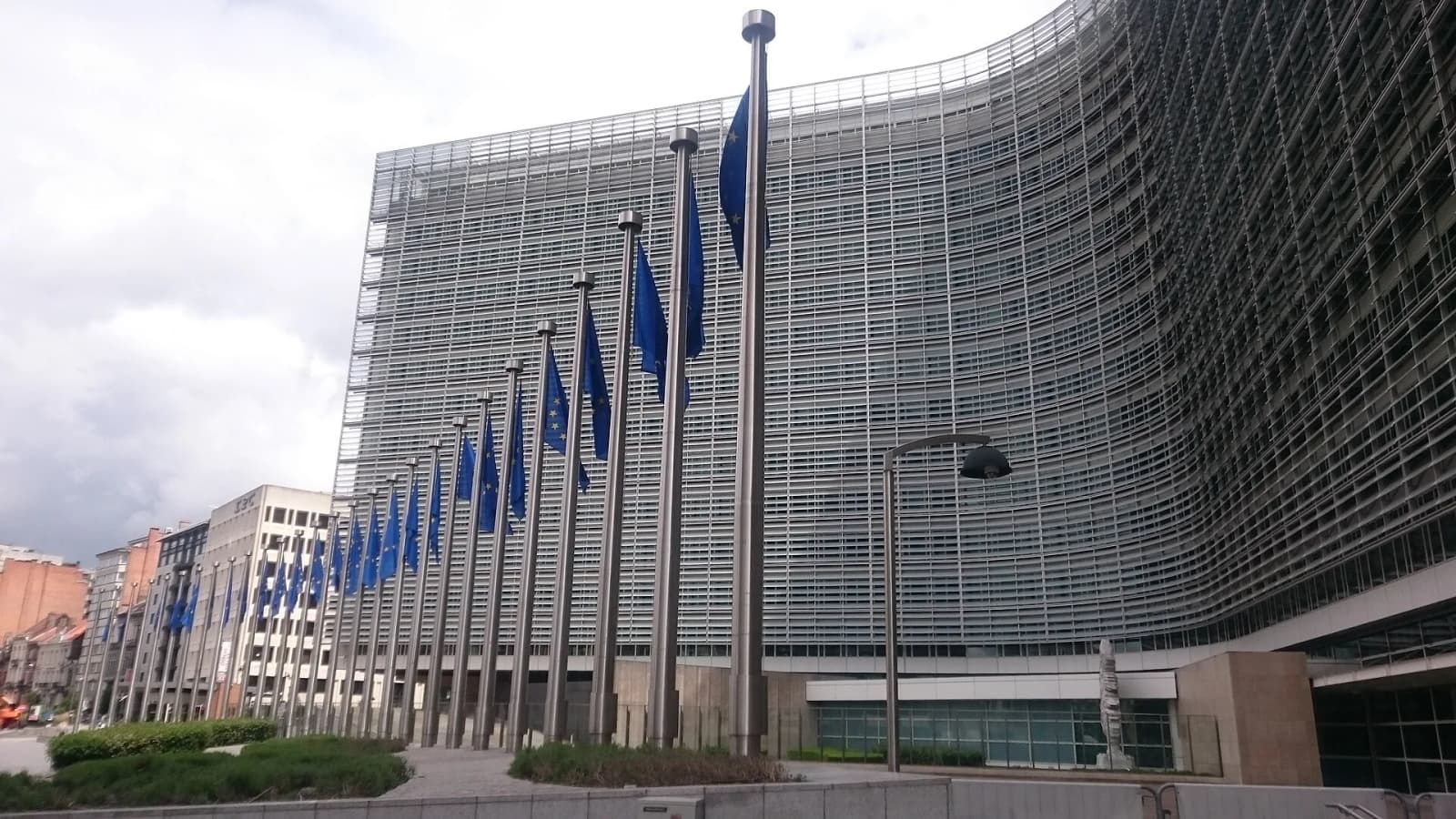
The European Commission on 18 November 2026 proposed a new loan of up to €45 billion for Ukraine in 2027, to be raised by borrowing on capital markets in Brussels and repaid by Kyiv only once it receives war reparations from Russia.
The money would sit on top of the €90 billion Ukraine Support Loan that the European Union agreed for 2026 and 2027. The Commission said the new loan is meant to cover about two-thirds of a €70 billion gap in Ukraine's financing needs for next year.
What does the €45 billion loan cover?
Up to €25 billion would go towards military assistance and up to €20 billion would be general budget support, the Commission said in its announcement. The budget support would be split equally between the EU's macro-financial assistance and the Ukraine Facility.
The budget support portion is tied to reforms, including on the rule of law and anti-corruption, linked to benchmarks Ukraine must meet on its path to EU membership. The new money would be delivered through a proposed Instrument for Coordinated Support to Ukraine.
Why does Ukraine need more money?
According to the Commission's questions-and-answers document, Russia's continued war generates large defence spending needs for Ukraine in 2027. It said intensified Russian attacks on energy and civilian infrastructure, along with disruption to Black Sea shipping, continue to hurt Ukraine's economic output and government revenue. The €70 billion figure is the shortfall not yet covered by existing EU support or by pledges from other partners, based on assessments by Ukraine's finance ministry and the Commission. The war's human toll has also kept rising; a UN monitoring mission recently said 2026 has already been deadlier for civilians than all of 2025.
How will the loan be repaid?
The Commission describes it as a "limited recourse" loan: Ukraine pays back the principal only after it receives reparations from Russia, and until then the EU rolls over its own borrowing. The proposal also says the EU reserves the right to use Russia's immobilised cash balances to repay the loan, in line with international and EU law.
Borrowing costs will depend on market conditions and will begin only in 2028. The Commission said the EU may give Ukraine a subsidy to cover these costs, in which case the EU budget would bear them. The borrowing would be guaranteed by spare room, or headroom, in the EU budget.
What about other countries?
The Commission wants partners outside the EU to fill the rest of the gap. It proposed letting all participants in the G7's Extraordinary Revenue Acceleration (ERA) scheme make a second round of loans to Ukraine, repaid from windfall profits on immobilised Russian sovereign assets once the first ERA loans are cleared. It also proposed allowing up to €5 billion in extra loans through the Ukraine Facility, backed by guarantees from AAA-rated countries outside the EU.
What did EU leaders say?
Commission President Ursula von der Leyen said: "Europe will continue to ensure maximum support to Ukraine and maximum pressure on Russia." Enlargement Commissioner Marta Kos said Ukraine "is not alone, and its future lies in the EU", while Defence Commissioner Andrius Kubilius said: "Europe stands with Ukraine and Ukraine will prevail."
What happens next?
The proposals have gone to the European Parliament and the Council of the EU, which represents member governments. The loan regulation will follow the ordinary legislative procedure. However, the change to the EU's long-term budget needed to guarantee the loan requires unanimity among member states in the Council and the consent of Parliament, which means any single government could hold it up.
The Commission said the EU and its member states have provided nearly €238 billion in overall support to Ukraine and Ukrainians since Russia's full-scale invasion began.
Photo source · KenSwe72, CC BY 4.0