The Central Board of Trustees (CBT) of the Employees' Provident Fund Organisation (EPFO) on 19 November 2026 approved a Systematic Withdrawal Plan that will let retiring members draw their provident fund savings in regular instalments, and cut the minimum balance that members must keep in their EPF accounts from 25% to 10% of contributions. The 240th meeting of the board was held in New Delhi and chaired by Dr. Mansukh Mandaviya, Union Minister for Labour and Employment and Youth Affairs and Sports, according to a Ministry of Labour and Employment release.
What is the Systematic Withdrawal Plan?
It is an optional facility that lets a retiring member take out accumulated PF money monthly, quarterly or half-yearly instead of as one lump sum. The unwithdrawn balance stays with EPFO and keeps earning returns, which the ministry says can add to retirement income alongside pension.
- The plan is voluntary; no member will be required to opt for it.
- If a member dies during the payout period, the nominee or dependent can either withdraw the remaining balance or continue receiving the instalments.
- The option may also be extended to eligible family members or beneficiaries.
The ministry estimates that about 6.32 lakh EPF members aged above 55 who have more than ₹5 lakh in their PF accounts will be the main beneficiaries in the first phase.
The same proposal also provides for Universal Account Number (UAN)-linked routes for members to make direct voluntary contributions, and for third-party micro-contributions such as customer tips, outside the employer payroll. The release links this to the goal of extending social security to gig and platform workers.
What changes for members who want to withdraw their PF?
Two conditions for final withdrawal have been relaxed. The share of contributions that had to be kept in the account as a minimum balance at all times has been lowered from 25% to 10%, and the waiting period for final withdrawal has been cut from 12 months to two months. The ministry said the aim is to give members more flexibility while protecting their long-term social security.
What else did the board approve?
- Alternative Investment Funds: In-principle approval to invest up to 3% of fresh accretions in eligible Alternative Investment Funds, within the existing overall investment ceiling and initially through government-backed entities.
- EDLI relief: Amendments to the Employees' Deposit Linked Insurance (EDLI) Scheme, 2026, giving eligible establishments a six-month window to renew expired exemptions, with relief from contributions, interest and penal damages for the verified transitional period. This applies to employers that kept group insurance cover at least as good as the statutory scheme.
- Exemptions: The board reviewed surrender of exemption by 27 establishments and cancellation in four. About ₹5,996 crore of PF savings belonging to 1,44,437 members will move to EPFO's direct management.
- Budget: Revised Estimates for 2026-27 and Budget Estimates for 2027-28 under the EPF, pension (EPS) and EDLI schemes.
Why it matters
For many salaried workers, the PF corpus is the largest savings they hold at retirement. A staggered payout gives retirees an option to avoid parking a lump sum elsewhere, while the lower minimum balance and shorter wait make it easier to reach savings after leaving a job.
The board was also briefed on the Centralised IT Enabled System (CITES) 2.0 platform built by C-DAC. According to the ministry, auto-processing of claims has risen from 39% to 71%, the rejection ratio has fallen from 23% to 7.82%, and average settlement time has dropped from 11.15 days to 2.57 days.
What happens next?
The changes do not take effect immediately. The ministry said the amendments to the EPF scheme for the withdrawal plan will be notified after ministry approval, and a corresponding change to the Income Tax Act is being taken up with the Ministry of Finance. No date has been announced for when members can start using the facility, so members should watch for EPFO's formal notification.
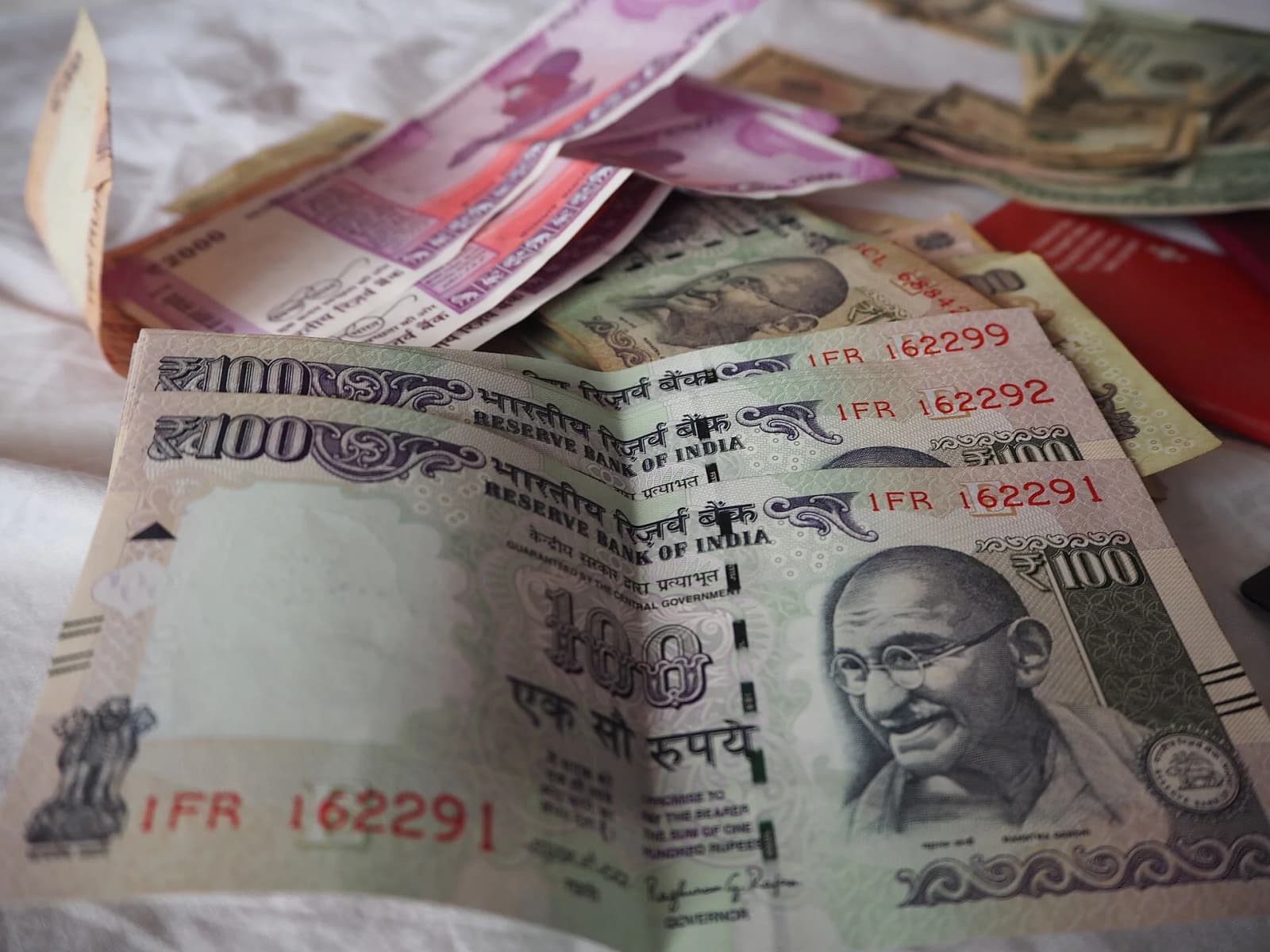
Photo source · Monito - Money Transfer Comparison, CC BY 2.0