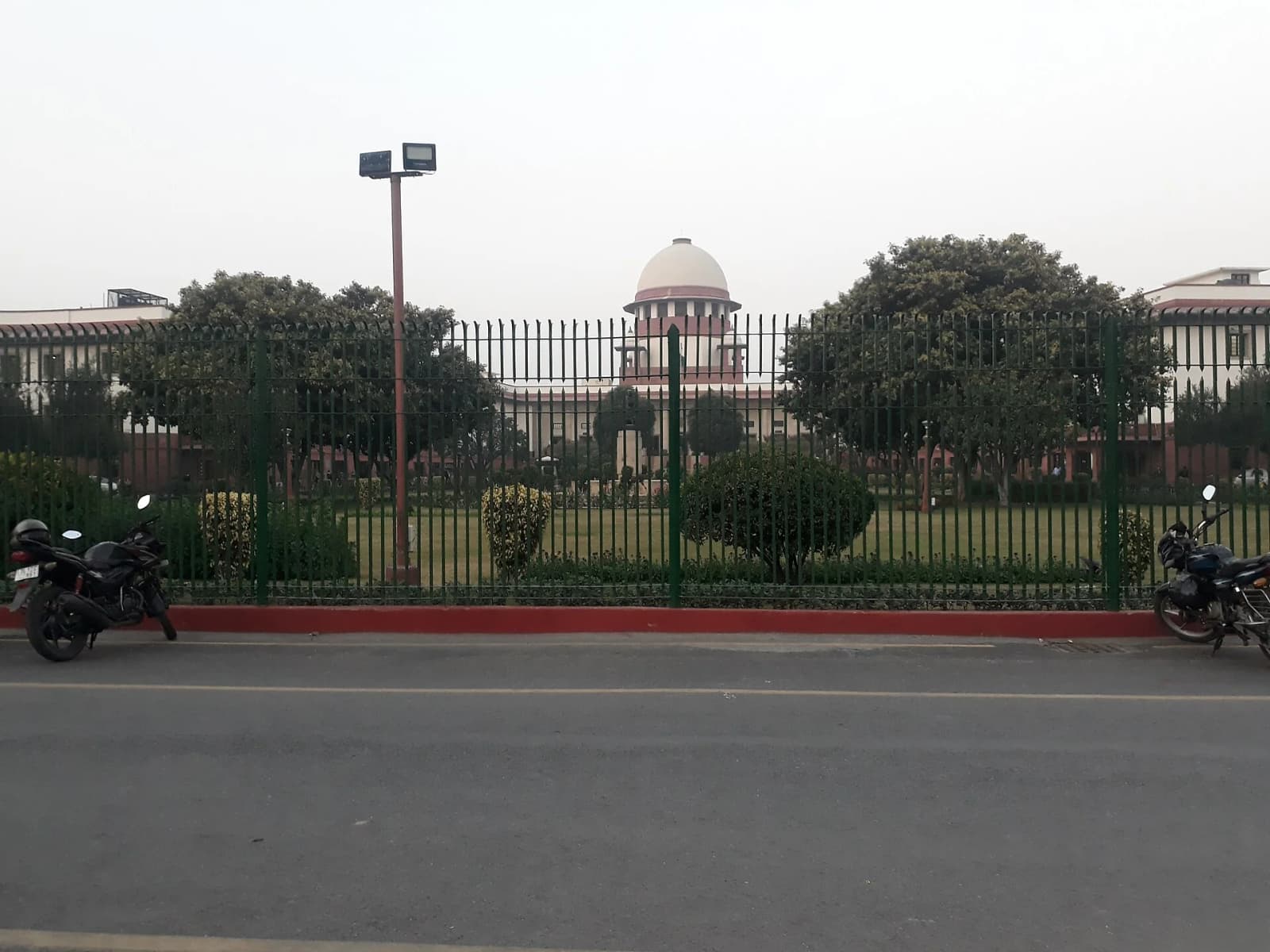
The Election Commission of India has assured the Supreme Court that people who were on earlier electoral rolls but are missing from the draft rolls prepared under the Special Intensive Revision (SIR) can apply again through Form 6 without being prosecuted for doing so. The assurance is part of an affidavit the poll body filed before the top court, as reported by the Press Trust of India from New Delhi on 14 November 2026.
What the Commission has told the court
Form 6 is the application used to get a name included in the electoral roll. Some voters had worried that filling it in, even though they had been registered before, could expose them to action under Section 31 of the Representation of the People Act, 1950.
In its affidavit, the Commission said no prosecution will be launched simply because an applicant was listed in rolls before the SIR and was then left out of the draft. That protection comes with two conditions: the person must not already be enrolled in any other Parliamentary or Assembly constituency, and the declaration must otherwise be in line with the law.
The Commission also said it has asked Chief Electoral Officers to give the clarification wide publicity, including in local languages, so that people who dropped off the draft rolls know they can safely seek re-inclusion.
Reaching voters marked absent, shifted, dead or duplicate
According to the affidavit, the Commission has taken note of the Supreme Court's suggestion that it reach out to electors placed in the ASDD category, short for Absent, Shifted, Dead or Duplicate. It said a communication issued on 6 November 2026 directed Chief Electoral Officers in the states and Union Territories where the SIR is under way to take further steps on this front.
Under the process described, such a voter can hand in a filled Enumeration Form, called Annexure A, to the Electoral Registration Officer, Assistant Electoral Registration Officer or Booth Level Officer of the area where they currently live. Those who have not moved house must also attach a statement, Annexure B, explaining why they did not submit the form earlier. The papers can be handed in personally or through a family member, and an online route with e-sign is to be offered on the Commission's ECINET platform.
Why it matters
The SIR is a large exercise to clean up and rebuild voter lists, and the draft rolls it produces decide who is on track to appear in the final roll. A voter who stays off the list for fear of legal trouble could lose the right to vote in coming elections. By putting the no-prosecution assurance on record before the Supreme Court, the Commission has given excluded voters a clearer, court-facing commitment they can rely on.
The Commission told the court it wants a mechanism that keeps eligible electors from being left out of the final roll while also preventing duplicate enrolment. It said it remains committed to the purity of the electoral process, pointing to the scale of the exercise and the digitisation of the complete data. The poll body has earlier defended the SIR as legally authorised and unanimously approved by its three members, and has denied making any change to the statutory Form 6.
What comes next
The affidavit will be considered by the Supreme Court as it continues to hear matters linked to the SIR. For voters, the practical step is to check whether their name appears in the draft roll for their area and, if it does not, to approach the local Booth Level Officer or Electoral Registration Officer before the claims window closes.
PS · Pinakpani, CC BY-SA 4.0