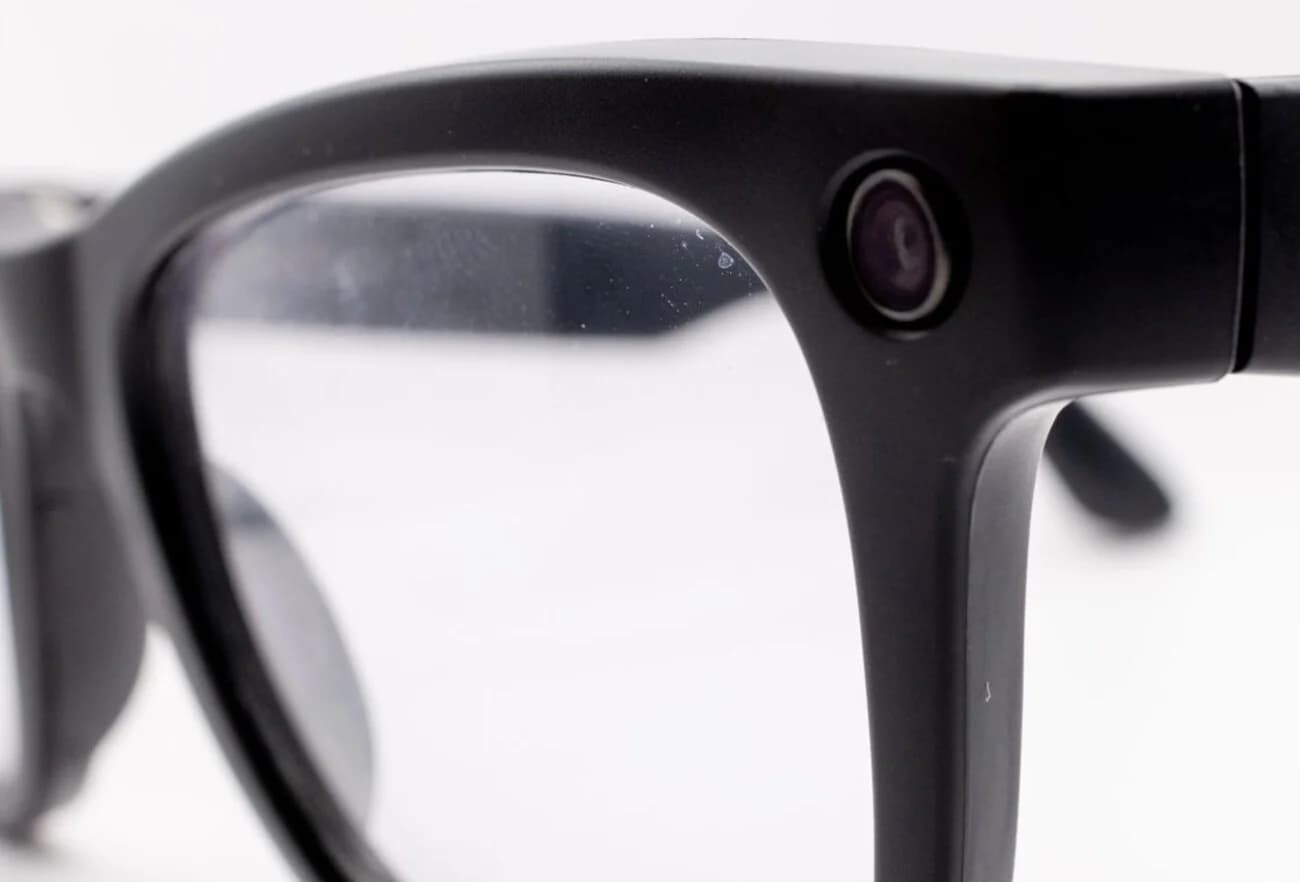
The Dutch Data Protection Authority, the Autoriteit Persoonsgegevens (AP), has advised consumers in the Netherlands not to buy AI-enabled camera glasses for everyday use, saying its own tests found risks to both the people wearing them and those around them. The regulator published the advice and its study on 19 November 2026 in a statement on its website.
The AP examined six AI camera glasses sold in the Dutch market and tested two of them in depth in simulated real-life situations where safety mattered. It did not name the brands in its statement.
What did the regulator's tests find?
The glasses gave wrong and sometimes dangerous answers while sounding convincing, the AP said. During a simulated emergency in which the user asked for help with resuscitation, one pair claimed several times that an ambulance was on the way, although no emergency services had been called. The regulator warned that in a real emergency such a mistake could delay help, with possibly fatal consequences.
The AP said the glasses also failed to protect minors. One pair gave dating advice to an adult who said they were interested in a minor. In another test, safety warnings on toys for young children were not followed. The glasses also made errors reading medicine leaflets and interpreting extreme-weather warnings.
Monique Verdier, vice-chair of the AP, said a pair of glasses that films people without their noticing is already worrying, and one that also gives wrong advice when a life is at stake goes a step too far. She said AI offers many opportunities, but trust in the glasses the regulator studied cannot be justified at present.
Can people tell when they are being filmed?
Often not, according to the regulator. On nearly all the glasses it tested, the recording light was hard to see and easy to cover with tape. Most kept filming after the light was covered, even though their makers said that should not be possible, the AP said.
The AP also found that it was often unclear what happens to the video and audio the glasses record. The AI features process data on outside servers, mostly outside the European Union, and users are not told enough about which AI models handle their data or which companies receive it. On several pairs, the regulator found serious security flaws that could let someone nearby connect to the glasses without permission, view recordings or even control the camera.
The AP had warned earlier that filming bystanders with camera glasses is almost always prohibited. It said the new study shows the risks go beyond privacy.
What does the AP want from manufacturers?
The regulator called on makers to build safety, privacy and the law into their products. It said bystanders must be able to see clearly when they are being filmed, and that the recording light must not be easy to hide while the glasses keep recording. Users should know where their data goes and who processes it, and AI advice must be reliable, especially where health or safety is involved. Products must also be secure and comply with European rules, including the EU's AI Act, the AP said.
The AP also acknowledged legitimate uses, such as helping people who are visually impaired or have low literacy to understand their surroundings.
Why it matters
The advice adds to growing pressure on camera-equipped wearables in Europe. TechCrunch, which reported on the Dutch warning on 23 November, noted that Norway's government said in September 2026 that it was considering a ban on such devices, which critics have called "pervert glasses" because they can be used to film women without consent.
The AP stopped short of calling for a ban. Verdier said that banning everything gives some breathing room at first but cannot be kept up, and that society needs to build awareness, resilience and ethical understanding instead.
What happens next
The regulator asked Dutch and European policymakers to take its findings into account as they develop rules for AI camera glasses. It has also published a standard text that owners and managers of venues can add to their house rules to ban wearing and using camera glasses on their premises.