The Directorate of Revenue Intelligence (DRI) has seized 10.8 kg of amphetamine hidden inside a parcel that reached New Delhi's Foreign Post Office from Europe, the Finance Ministry said on Saturday, 14 November 2026. The agency said the interception foiled an attempt by a narcotics syndicate to use regular postal channels to bring the drug into India.
Parcel declared as clothes
According to the ministry, DRI officers acted on specific intelligence and singled out the parcel for examination. It had been sent from a European country, which the ministry did not name, and was declared to contain "Kleren", a word meaning clothes.
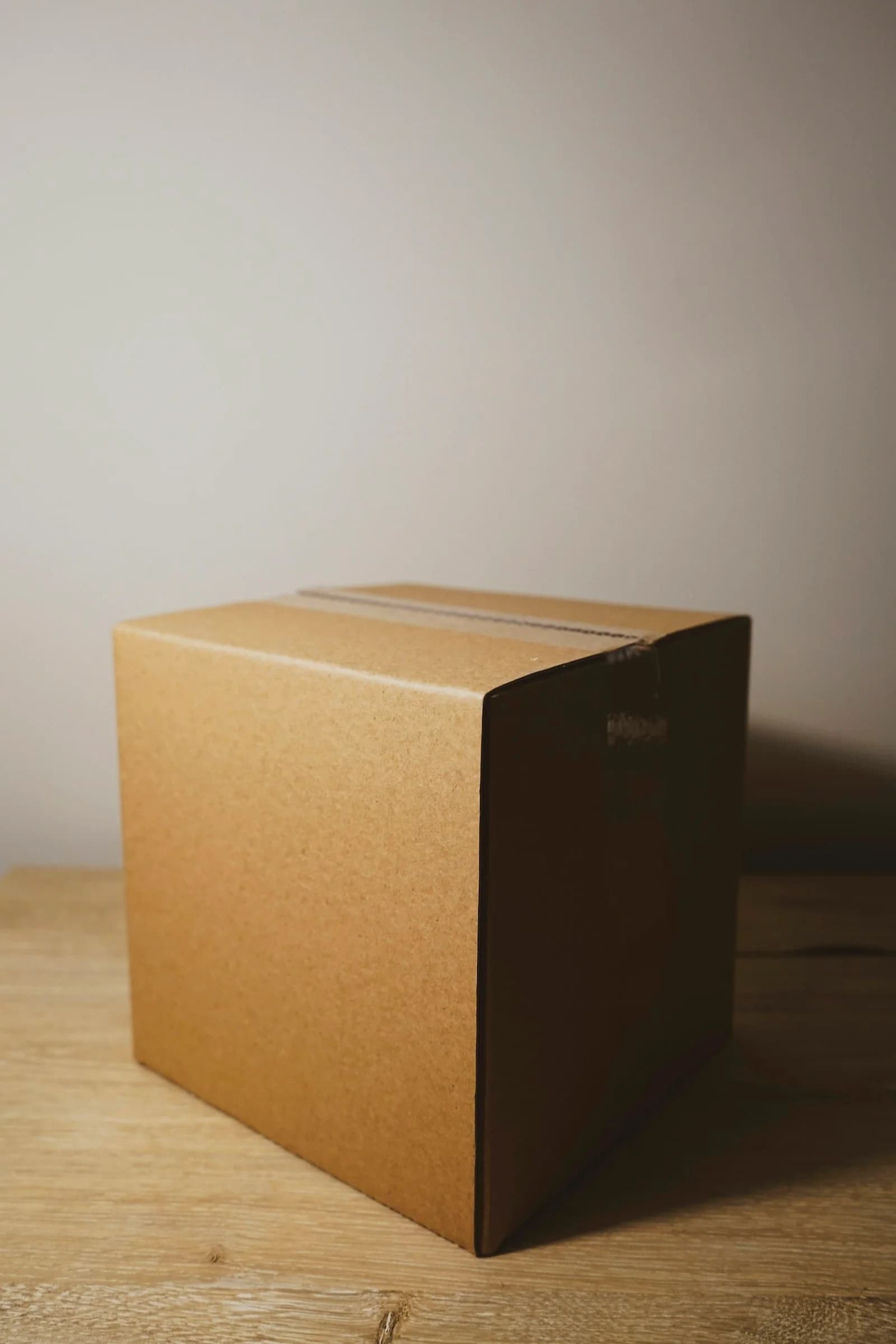
A first look inside the shipping carton showed only ordinary household garments. A closer check of the packaging itself told a different story. Officers found two plastic pouches concealed on each of four sides of the carton, eight packets in all. Each held a pink powder that tested positive for amphetamine, the ministry said.
Case under NDPS Act
All eight packets have been seized under the Narcotic Drugs and Psychotropic Substances (NDPS) Act, 1985. The ministry said investigators are now working to trace the wider network behind the consignment.
The DRI said the case reflects its intelligence-led enforcement and closer scrutiny of cross-border logistics, aimed at detecting and dismantling trafficking networks that operate under the cover of legitimate trade. The agency described its role as protecting both India's economic frontiers and national security.
Why it matters
The seizure points to a method that is harder to spot than bulk cargo smuggling: small quantities spread across the walls of an ordinary-looking parcel whose contents match its declaration on first inspection. In this case, the drug was not mixed in with the clothes but built into the carton, which meant it only came to light when officers examined the packaging closely.
The ministry framed the case as part of the DRI's continued watch over a wide range of trade streams, not only large commercial shipments. By routing the drug through the postal system and declaring the parcel as clothing, the syndicate was trying to blend the consignment into the routine flow of international mail, the ministry's account suggests.
What is not yet known
The ministry's statement does not say on which date the parcel was intercepted, which European country it came from, who it was addressed to, or whether anyone has been arrested. It also did not give an estimated value for the seized amphetamine. Further details are expected to emerge as the investigation into the network continues.