The Delhi High Court on 27 November 2026 restrained Bajaj Finance, Bajaj Finance Securities and Bajaj Housing Finance from collecting or using data from AI-enabled facial recognition cameras at their stores for any purpose other than KYC (Know Your Customer) verification, and barred them from sharing that data with any other entity, including companies in their own group.
Justice Jasmeet Singh passed the interim order in New Delhi on a writ petition filed by Dhananjay Bhole against the Reserve Bank of India (RBI) and others, according to the court's order.
What did the petitioner allege?
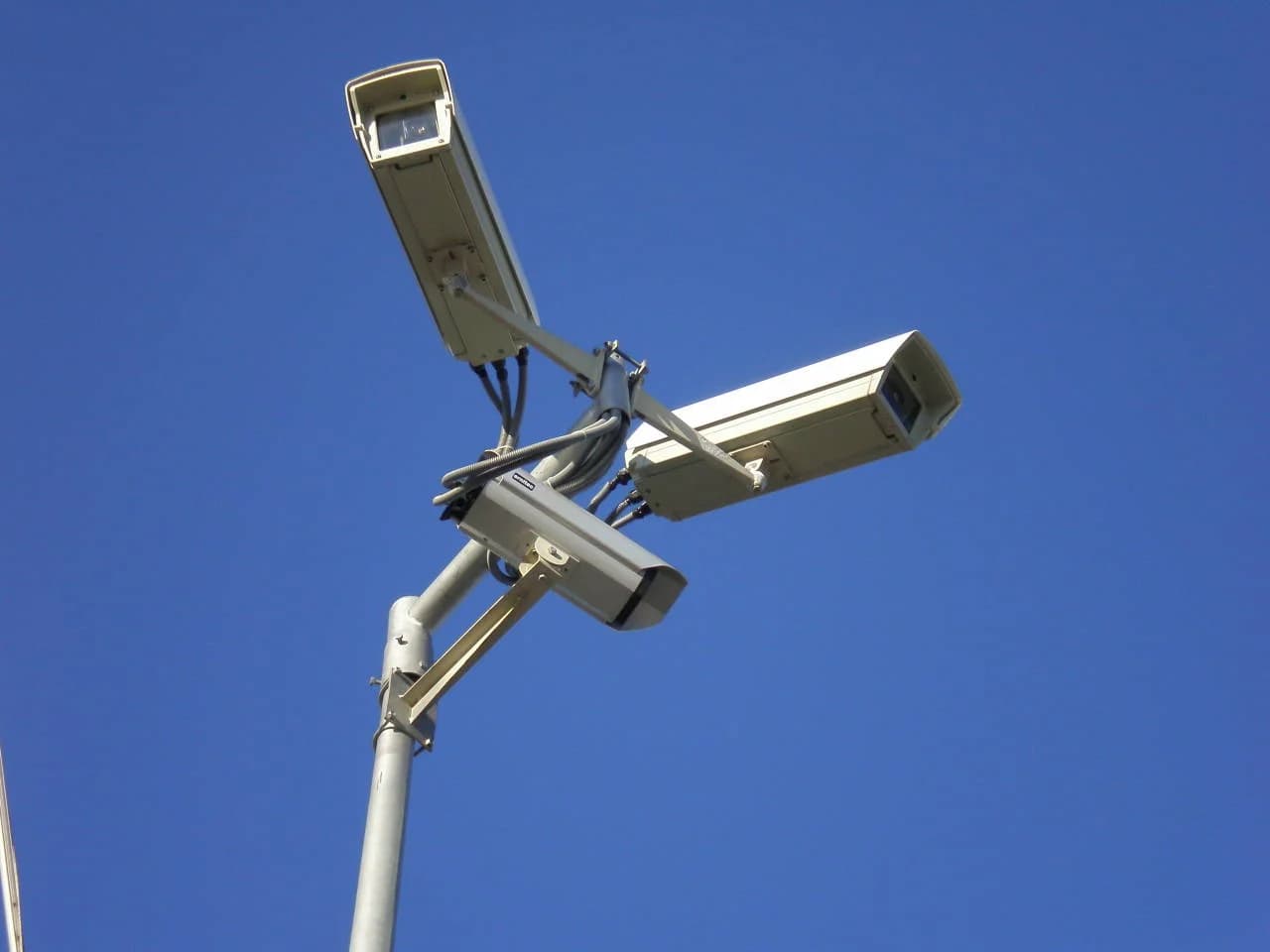
The petition says the cameras in the stores of the three Bajaj companies profile both customers and non-customers, and that customers are identified by matching their facial features and authenticating them against Aadhaar-sourced data, the order records.
The petitioner asked the court to stop the three companies from using AI-enabled facial recognition cameras in their Delhi stores as a violation of Articles 19(1)(a) and 21 of the Constitution, to strike down parts of a privacy policy dated 2 November 2026 that allow facial biometrics to be collected and processed through an AI model called Vision AI, and to order deletion of facial data already gathered. He also sought a direction to the RBI to prohibit non-banking financial companies (NBFCs) from obtaining facial biometric information through AI cameras without express and informed consent.
According to Bar and Bench, the petition argued that walking into a branch or downloading an app does not amount to informed consent and that visitors have no effective way to opt out.
What exactly did the court order?
The companies, along with their agents, employees and representatives, cannot collect or use information from these cameras for anything other than KYC, and cannot share it with any other entity, including group entities. The order does not stop the use of the cameras for KYC itself.
Justice Singh wrote that the petitioner's concerns were genuine and that, at a time when banking frauds and AI-based frauds are becoming more common, "the privacy of the petitioner is of paramount importance". He found a prima facie case because profiling customers through facial recognition matched with Aadhaar-sourced data "raises a serious question of privacy".
The judge said the balance of convenience favoured the petitioner because the companies could still use the cameras for KYC, while misuse or sharing of biometric data with third parties could not be compensated with money.
How did the RBI and the Centre respond?
Counsel for the RBI told the court that a representation the petitioner sent on 23 November 2026 had also been addressed to the central bank and was under consideration. The Additional Solicitor General, appearing for the Union government, was asked to ensure the petitioner's concerns are addressed at the appropriate level, the order says. No response from the Bajaj companies is recorded in the order.
Why does it matter?
The order affects anyone who walks into the stores of the three companies, not only their borrowers, since the petition says the cameras profile non-customers as well. It also ties the question of consent directly to Aadhaar-based identification. The wider questions in the petition, including the challenge to the privacy policy and the request for an RBI rule covering all NBFCs, were not pressed at this stage because they are in the nature of public interest litigation.
What happens next?
When the petitioner's counsel asked for similar protection for all customers of the three companies, Justice Singh said he could not pass such an order in his jurisdiction. He directed that the matter be listed before Division Bench-1 of the Delhi High Court on 4 December 2026, including on the privacy-policy and RBI prayers.
Photo source · Paweł Zdziarski, CC BY 2.5