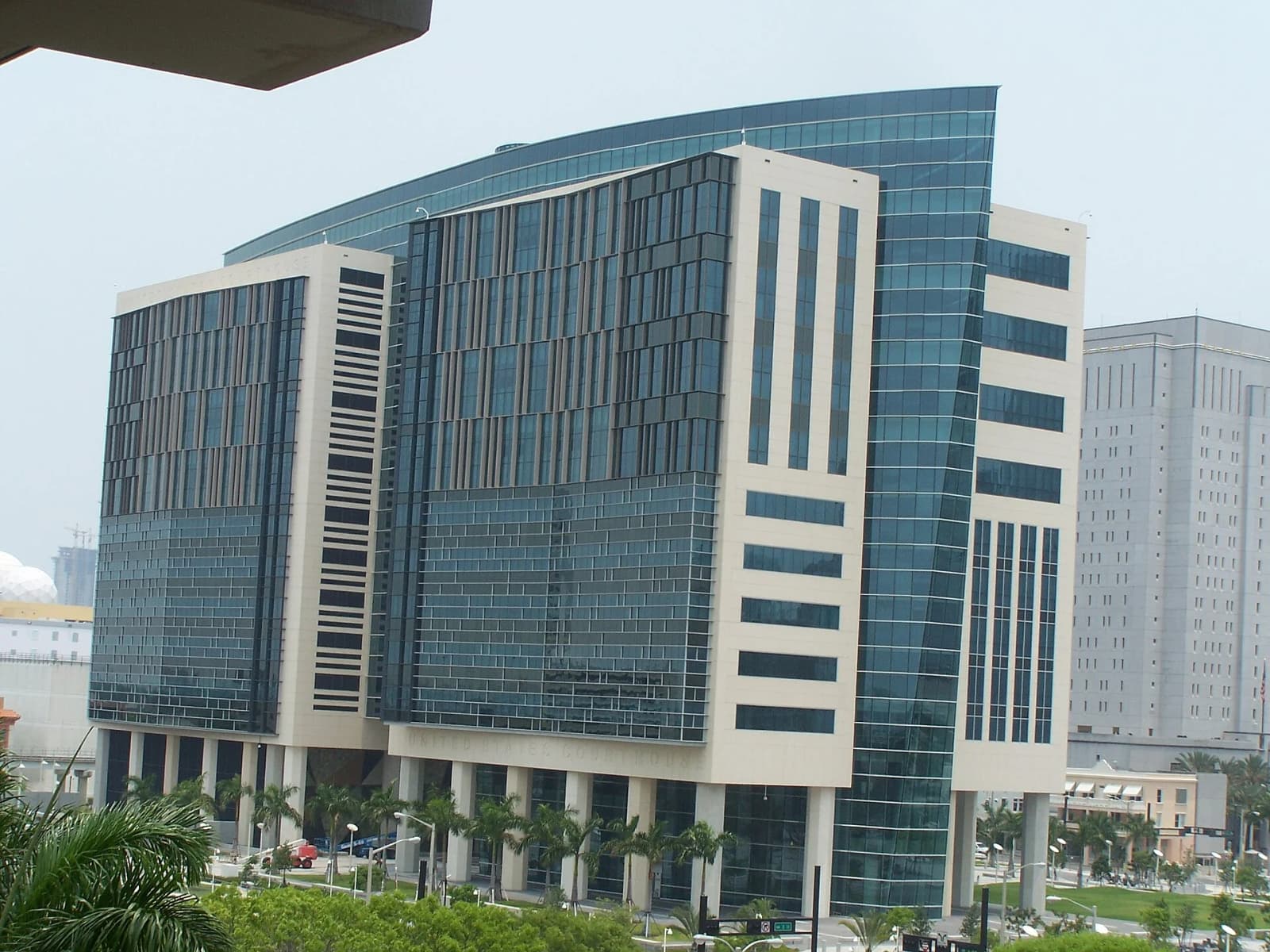
A federal jury in Miami, Florida, in the United States on 18 November 2026 found Christian Emmanuel Sanon, a Haitian-American pastor, guilty on all eight charges linked to the July 2021 assassination of Haiti's President Jovenel Moïse. The verdict came after a trial lasting nearly eight weeks, Al Jazeera reported.
Sanon, 68, who holds dual Haitian and US citizenship, faces a possible life sentence. He remains in federal custody, and sentencing has been set for 10 February.
What was Sanon convicted of?
He was convicted of eight counts, the most serious being conspiracy to kidnap or kill a person outside the United States, according to an Associated Press report carried by NBC News. The verdict includes conspiring to kill Moïse.
Prosecutors alleged that Sanon was the plotters' first choice to replace Moïse as Haiti's leader. They said he helped raise money for the conspiracy and arranged travel to Haiti and accommodation there for himself and others. According to the indictment, he met a former Haitian senator and several US businesspeople in South Florida in April 2021, where the group agreed he would hand government contracts to Florida companies once he took power.
Prosecutors have described South Florida as a hub for planning and financing the plot. They allege that about two dozen foreign mercenaries were paid with money drawn from US programmes meant to help businesses during the COVID-19 pandemic.
What did the defence say?
Sanon maintained his innocence throughout the trial. In his testimony he acknowledged that he had at one stage been in contact with people seeking to replace Moïse, but said the group had moved on to another candidate long before the killing. He denied knowing of any plan to kill the president.
His lawyer, Zeljka Bozanic, said the defence team was disappointed with the verdict and would appeal at the appropriate time. Prosecutors declined to comment after the verdict, Al Jazeera reported.
How was Moïse killed?
Moïse, 53, was shot dead at his home on 7 July 2021, and his wife, Martine Moïse, was wounded. Authorities have said the night-time raid was carried out by a squad made up mostly of retired Colombian soldiers posing as agents of the US Drug Enforcement Administration.
Sanon was arrested in Port-au-Prince days after the attack. He was originally to be tried alongside four other men: Arcangel Pretel Ortiz, Antonio Intriago, Walter Veintemilla and James Solages. They were convicted earlier of conspiring to kill or kidnap Haiti's president, providing material support and breaching the US Neutrality Act. Sanon's case was separated and delayed for health reasons.
Who else is facing charges?
US prosecutors have charged more than 40 people in the case, and about a dozen have been convicted so far, according to Al Jazeera. Those still awaiting trial include Joseph Felix Badio, a former Haitian anti-corruption official whom lawyers for other suspects have accused of masterminding the operation, and 17 Colombian former soldiers who were flown to the US from Haiti in September. Vitel'homme Innocent, a gang leader charged with helping fund the plot, has not been arrested.
Why does it matter for Haiti?
Haiti has had no president since Moïse's death, and a series of transitional governments has struggled to restore order as armed gangs control much of the capital and surrounding areas. The United Nations Human Rights Office recorded 4,595 killings in armed violence in Haiti between 1 January and 31 October this year, and about 1.5 million people have been forced from their homes.
Martine Moïse, who testified at the trial, has registered as a candidate for Haiti's general election in 2027. Haiti's gang crisis has also drawn in other countries: earlier this week, hundreds marched in Port-au-Prince in support of El Salvador's anti-gang troops.
What happens next?
Sanon will be sentenced on 10 February, and his lawyers have said they will appeal. The trials of Badio and the Colombian former soldiers are still pending in the US.