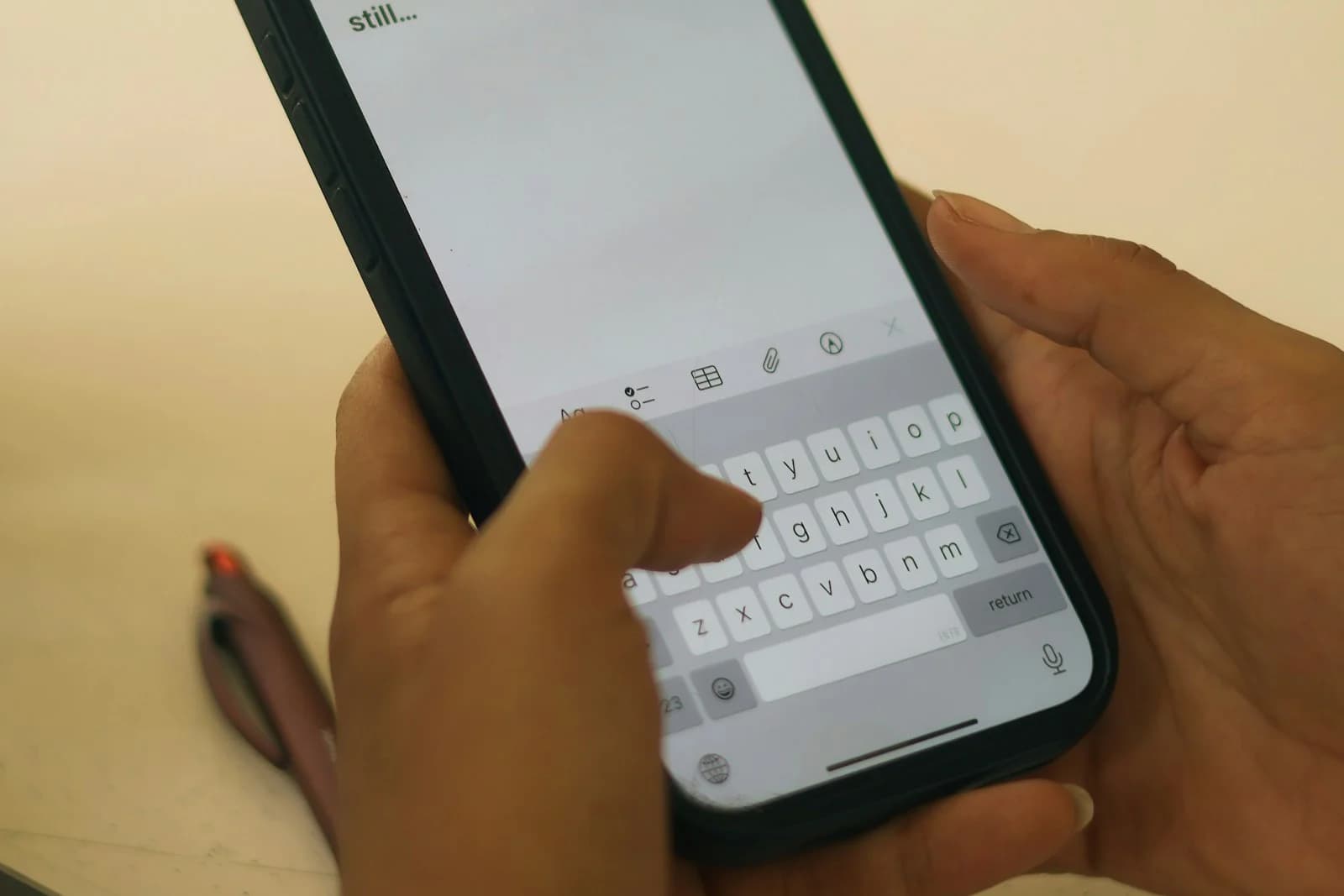
The Indian Computer Emergency Response Team (CERT-In), the national cybersecurity agency under the Ministry of Electronics and Information Technology, on 26 November 2026 issued a high-severity warning about several security flaws in WhatsApp and WhatsApp Business on Android, iOS and Mac desktop. The agency has asked users and organisations across India to install the latest updates.
The vulnerability note CIVN-2026-0576 was first published on 26 November and updated on 27 November 2026. It covers three flaws: CVE-2026-102769, CVE-2026-44908 and CVE-2026-23871.
Which WhatsApp versions are affected?
According to CERT-In, the affected versions are any versions released before the following:
- WhatsApp for Android: 2.26.35.74 and 2.26.17.4
- WhatsApp Business for Android: 2.26.23.70 and 2.26.17.4
- WhatsApp for iOS: 2.26.24.72
- WhatsApp Business for iOS: 2.26.23.72
- WhatsApp for Mac Desktop: 2.26.23.72
The agency rated the risk as high. It said a remote attacker could exploit the flaws by sending a specially crafted message or URL. A successful attack could allow arbitrary code execution, disclosure of sensitive information, bypass of security restrictions or tampering with application data.
What do the three flaws do?
WhatsApp's own 2026 security advisories page describes each issue in more detail.
CVE-2026-102769 is a SQL injection flaw in WhatsApp for Android. It could be triggered when a recipient opened a crafted "order details" message sent from an unofficial client. The company says this could have deleted locally stored WhatsApp files. If the user was online, it could also have leaked a single bit of information about the chat database through a timing side channel. WhatsApp says it has seen no evidence of exploitation in the wild. The flaw was reported by an external researcher through Meta's bug bounty programme.
CVE-2026-44908 involves the remote-attestation check WhatsApp uses with the confidential computing backend behind Meta AI. According to the advisory, the verifier did not properly validate a certificate's chain of trust. As a result, someone inside Meta's own infrastructure could have bypassed the hardware root of trust. WhatsApp says its public binary transparency ledger shows that every published certificate chains back to that hardware root, which confirms the flaw was not exploited. Meta's internal researchers found the issue.
CVE-2026-23871 affects WhatsApp and WhatsApp Business for Android versions before 2.26.17.4. The flaw comes from incomplete validation of external ad-reply URLs in Click to WhatsApp messages. It could have revealed a target's IP address to an attacker who sent media from a URL the attacker controlled. Unlike the other two, WhatsApp says this issue "may have been abused in conjunction with specific spam messages". The company's security team found it.
Why does it matter?
WhatsApp is among the most widely used messaging apps in India for both personal and business communication. A leaked IP address can help someone estimate a user's approximate location or internet provider. The Android database flaw could have wiped local files. CERT-In's note says the advisory is relevant to individuals as well as organisations that use the affected apps.
The CERT-In note lists the vendor's fixes as the remedy. It does not report any confirmed data theft from Indian users.
What should users do now?
CERT-In advises applying the updates WhatsApp has released. Users can check for pending updates in the Google Play Store on Android, in the Apple App Store on iPhone and Mac, or on WhatsApp's official website. Business accounts and organisations that manage company phones should make sure WhatsApp Business is also updated to the patched versions.
The WhatsApp warning came the day after another high-severity CERT-In alert, which concerned a SQL injection flaw in eGov's DIGIT platform used by state governments and cities.