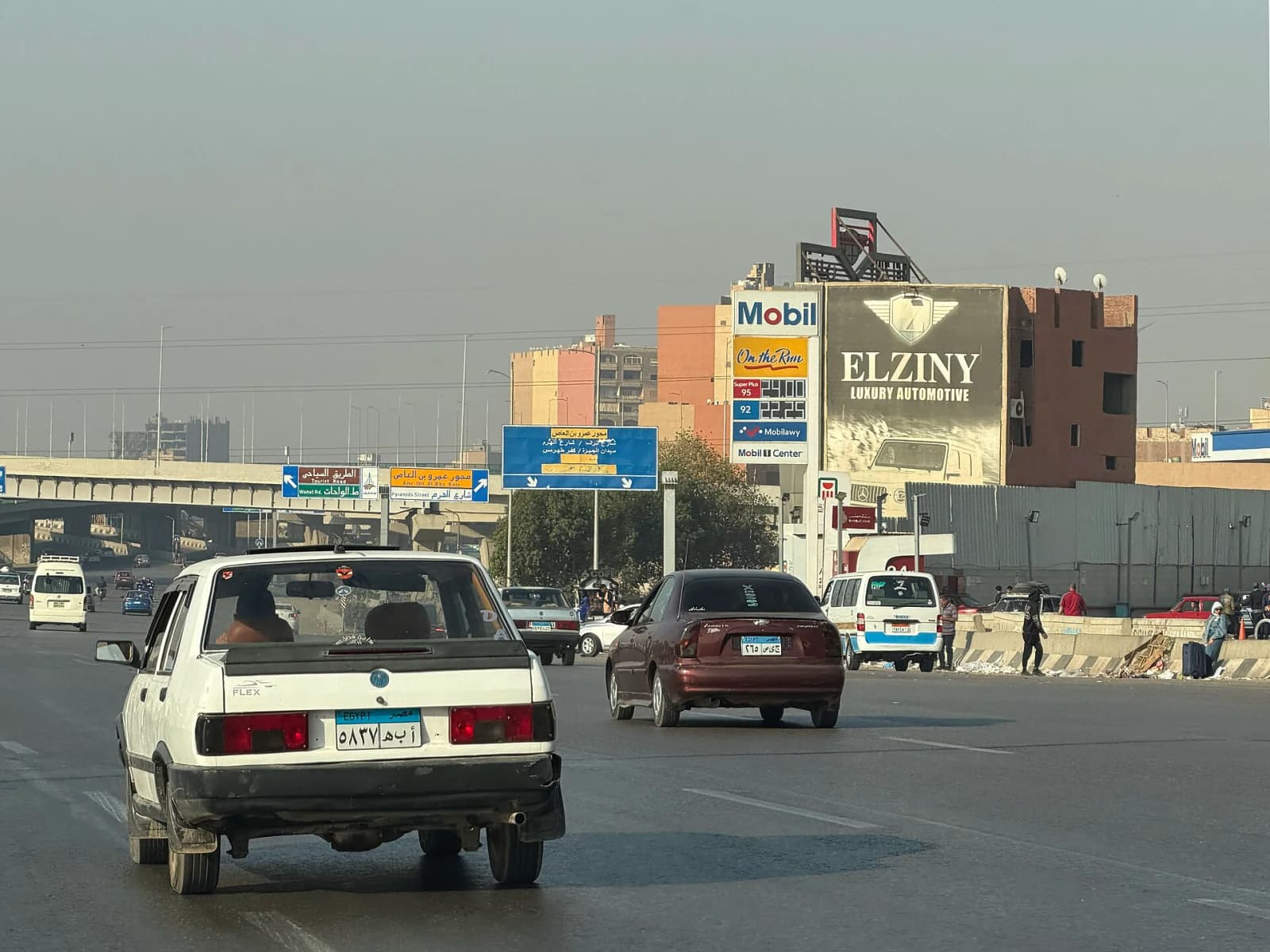
At least 30 people were killed—with Egypt's Health Ministry putting the death toll at 31—and between 21 and 25 others were injured after a fuel tanker lost control, overturned, and erupted into flames on Greater Cairo's busy Ring Road on Wednesday evening, November 25, 2026. The crash triggered a fast-spreading blaze in the Al-Warraq area of Giza governorate that engulfed and charred more than 24 cars and motorcycles trapped in evening traffic.
How the Ring Road Crash Unfolded
Egyptian authorities said the privately operated tanker veered out of control, crossed the central highway barrier into oncoming lanes, and overturned before catching fire. State-owned newspaper Al-Ahram reported that a high-voltage power cable fell in front of the truck before the driver lost control, turning the elevated stretch of highway into a wall of flames and thick black smoke visible across surrounding neighborhoods.
Emergency services dispatched 39 ambulances to the scene as firefighters battled intense heat and exploding fuel pockets while traffic stalled for hours along the outer Cairo beltway. Health Minister Khaled Abdel Ghaffar inspected emergency medical response operations and instructed hospitals to keep specialized burn and trauma care teams ready for the injured.
DNA Identification and Road Safety Concerns
Egypt's Public Prosecutor opened an urgent investigation and ordered forensic DNA testing alongside specialized forensic teams to identify victims whose bodies were severely burned in the wreckage. President Abdel-Fattah el-Sissi expressed condolences to victims' families and directed officials to speed emergency relief payments and medical care.
The Ring Road encircles Greater Cairo and carries heavy commuter and freight traffic every evening, frequently experiencing congestion. Official figures show Egypt recorded nearly 6,000 road deaths last year, keeping highway safety and hazardous-cargo enforcement under intense national scrutiny.