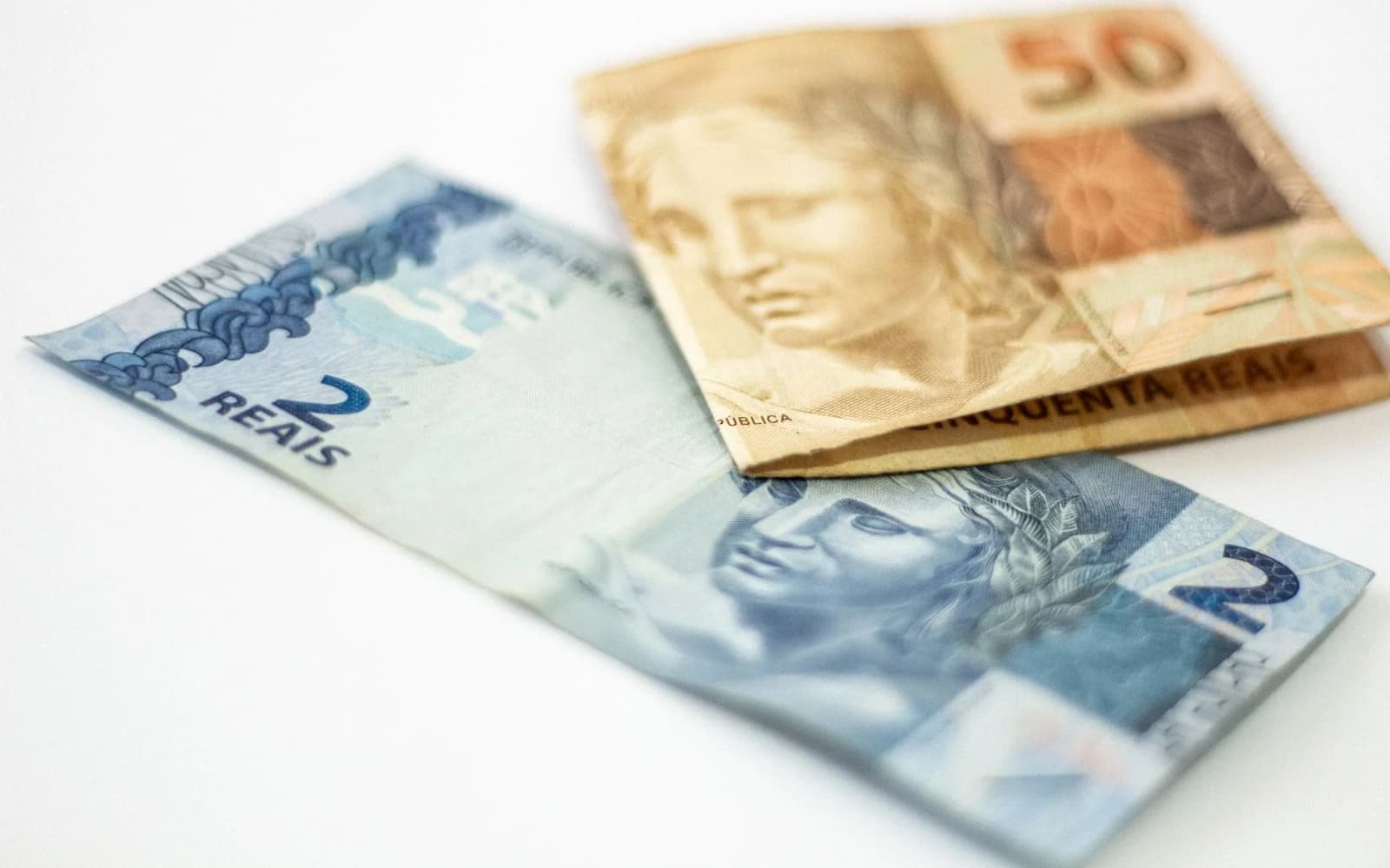
Brazil's currency, the real, rallied strongly on 27 November 2026 after President Luiz Inácio Lula da Silva's office confirmed that Luiz Carlos Trabuco, the 75-year-old chairman of Bradesco, will become finance minister in 2027. The US dollar fell 4% against the real to close at R$5.515 in São Paulo, according to market closing data reported by Suno Notícias.
The presidential palace said in a note on the evening of 26 November that Trabuco had accepted Lula's invitation to lead the Finance Ministry, after a meeting at the Palácio da Alvorada in Brasília, CNN Brasil reported. No exact date for him to take office was given beyond 2027.
How did markets react?
Currency markets welcomed the choice most strongly: the dollar's drop on Friday was its fifth straight daily loss against the real, and it ended the week down 7.03%, according to Suno. On Monday, 23 November, the dollar had briefly traded above R$6.
Stocks were more mixed. The benchmark Ibovespa index hit an intraday high of 183,625.66 points on 27 November but gave back gains on profit-taking to close at 176,573.35, down 0.13% for the day. The index still gained 6.13% over the week, its best week since the first round of Brazil's presidential election, Suno reported. Large banks rose, while Petrobras and Vale fell more than 2%. Interest-rate futures also eased across most maturities.
Who is Luiz Carlos Trabuco?
Trabuco has spent more than four decades at Bradesco, Brazil's second-largest private lender, joining the bank as a clerk at 17 and serving as chief executive from 2009 to 2018, according to a Reuters profile. As CEO he oversaw Bradesco's 2015 purchase of HSBC's Brazilian operations. He studied philosophy at the University of São Paulo.
He is regarded as one of Lula's closest contacts in the financial sector. He joined Lula's advisory council in 2023 and has argued for growth-oriented policies, criticising Brazil's 13.75% benchmark interest rate. "Capital costs are extremely high, to the point of being prohibitive for industry, commerce, agribusiness and consumers," he has said, according to Reuters. In 2014 he turned down an offer to become finance minister under then-President Dilma Rousseff.
Why does the appointment matter?
Lula won re-election on 25 October 2026, and Brazilian markets fell after his victory as investors worried about public finances. Under his current government, gross public debt has risen by more than 11 percentage points to 82.9% of GDP, Reuters reported, and investors have demanded higher risk premiums as mandatory spending grows.
A banker with long ties to Lula is seen by investors as a signal that the new economic team may take fiscal concerns seriously. According to Suno, Lula has acknowledged the need for adjustments to public accounts but ruled out measures that would hurt the poorest Brazilians.
Not everyone in Lula's camp is enthusiastic. Pedro Uczai, the Workers' Party leader in the lower house, told Reuters: "For me, personally, it may not be the best option."
What happens next?
Trabuco is expected to take charge of the Finance Ministry in 2027, at the start of Lula's fourth term. Neither the government nor Bradesco has yet set out the date of the handover or how Bradesco's board chair will be filled. Investors will watch for his first statements on fiscal targets, how much autonomy he secures and who joins him in the economic team.