Brazil's Ministry of Health mobilised states and municipalities on Saturday, 28 November 2026, for a national 'Dia D' (action day) against dengue, Zika and chikungunya, and launched a nationwide prevention campaign ahead of the country's high-transmission season. Health Minister Alexandre Padilha joined the activities in Taguatinga, in the Federal District around Brasília, according to the government news agency Agência Brasil.
What happened on Dia D?
Ten states and the Federal District scheduled actions for the day, while another 12 federative units held events during the week, according to the ministry's announcement published by Agência Gov. Activities included educational sessions, community mobilisation, bicycle rides, lessons on the mosquito's life cycle and releases of mosquitoes carrying the Wolbachia bacterium. In the Amambai indigenous territory in Mato Grosso do Sul, sterile insects were to be released for the first time, and Garanhuns in Pernambuco was set for its first Wolbachia release.
The ministry also said it would send personalised WhatsApp and Gov.br messages on 27 and 28 November to more than 30 million people in over 400 municipalities classed as high risk. The messages cover symptoms of the three diseases, how to remove standing water and where to seek care. The campaign slogan translates roughly as "Dengue, Zika and chikungunya: you can't ignore them."
Why act now if cases are falling?
Brazil recorded about 489,100 probable dengue cases between January and October 2026, a 67% drop from roughly 1.5 million in the same period of 2025, according to ministry figures. It is the second straight year of decline, but the ministry warned that a possible "super El Niño" could bring higher temperatures and above-average rain, conditions that favour the Aedes aegypti mosquito, and it expects a possible rise in cases in 2027.
"We are starting the work across Brazil before dengue cases begin to grow significantly," Padilha said, according to Agência Brasil. He described February to May as the critical period for dengue.
How is Brazil using Wolbachia mosquitoes?
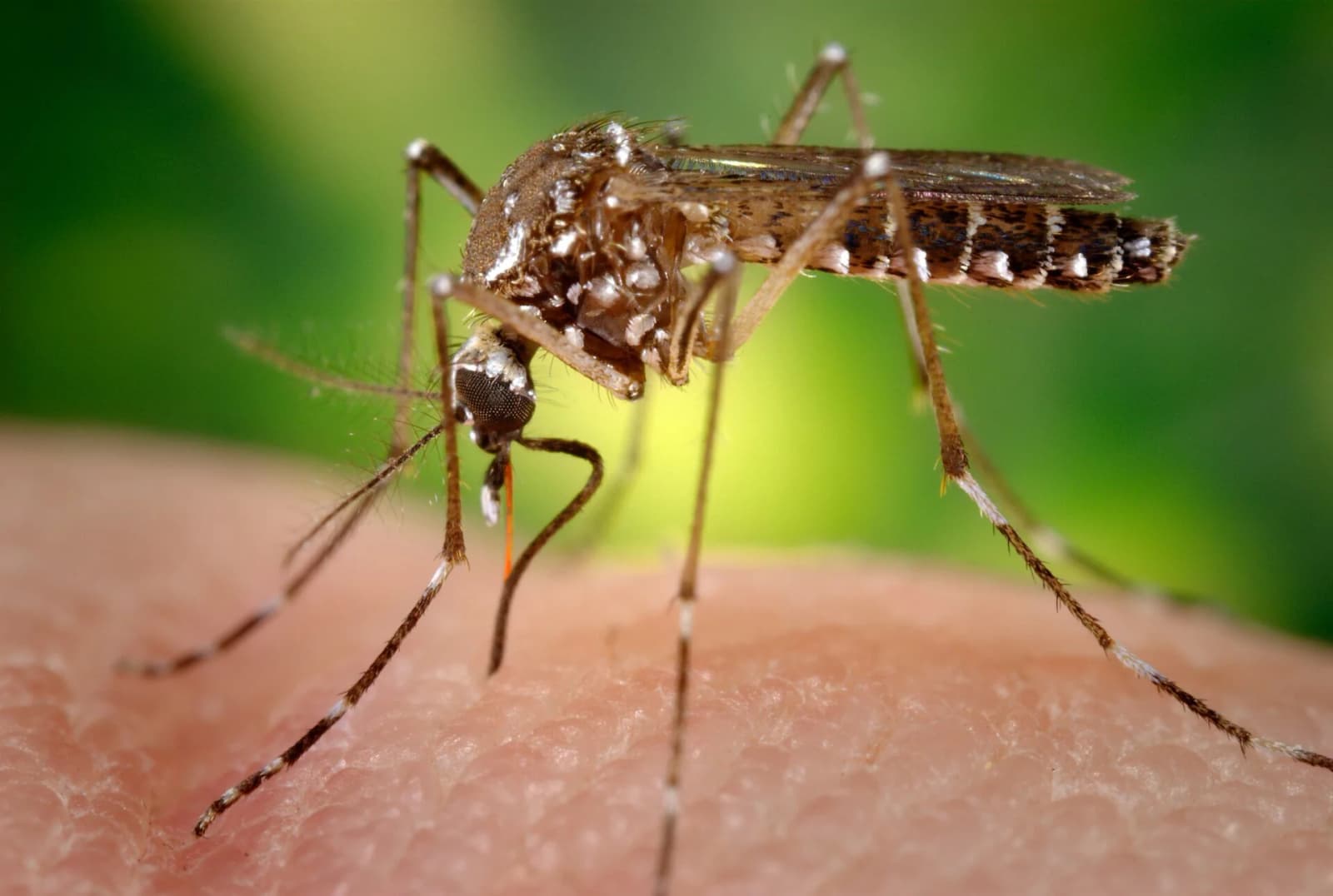
Wolbachia is a naturally occurring bacterium that, when present in Aedes aegypti, interferes with the dengue, Zika and chikungunya viruses and reduces transmission. Released mosquitoes breed with wild ones and pass the bacterium on. The ministry says the method now covers about 5.94 million people in 16 municipalities that have completed releases, with 44 more at various stages.
Ministry-cited studies reported an 89% fall in dengue incidence in Niterói and an estimated 63.2% reduction in Campo Grande. Padilha said coverage would reach 10 million people by early 2027 and another 10 million by the end of 2027. The ministry stresses that Wolbachia complements, but does not replace, removing breeding sites.
What about vaccination?
Brazil's public health system, the Sistema Único de Saúde (SUS), offers a two-dose dengue vaccine to children and adolescents aged 10 to 14. More than 5.1 million doses have been given so far in 2026, compared with over 3.6 million in 2025. Padilha urged officials to follow up with people who took only one dose, including through schools, and said the ministry has a current contract for 18 million doses.
What households are being asked to do
The campaign focuses on making breeding-site removal a weekly habit, such as emptying water from tyres, bottles, gutters and plant pots. People with fever, skin spots, or pain in the joints, head or behind the eyes are advised to drink fluids and visit a health unit.
Dengue control is also a recurring concern in India; MapMyTimes recently reported on Puducherry's push to step up dengue control with JIPMER and VCRC.
Photo source · James Gathany/CDC, public domain