Researchers at the Hyderabad campus of the Birla Institute of Technology and Science (BITS) Pilani in Telangana have secured an Indian patent for a low-cost nutrient medium that could cut the cost of growing microalgae on a large scale, the institute said in a press release on 26 November 2026. The formulation, which uses farm-grade fertilisers instead of laboratory chemicals, has been patented as "Nutrient Medium Composition for Mass Cultivation of Microalgae" (Indian Patent No. 603126), according to The Hindu and UNI, which reported the release.
Who developed it?
The patent was developed by Sandip S. Deshmukh of the Department of Mechanical Engineering, K. Pranav Narayan of the Department of Biological Sciences and research scholar Sama Sanghamitra, The Hindu reported. BITS Pilani's published patent list shows the application, numbered 202211003678, was filed in 2022.
What are microalgae and why are they costly to grow?
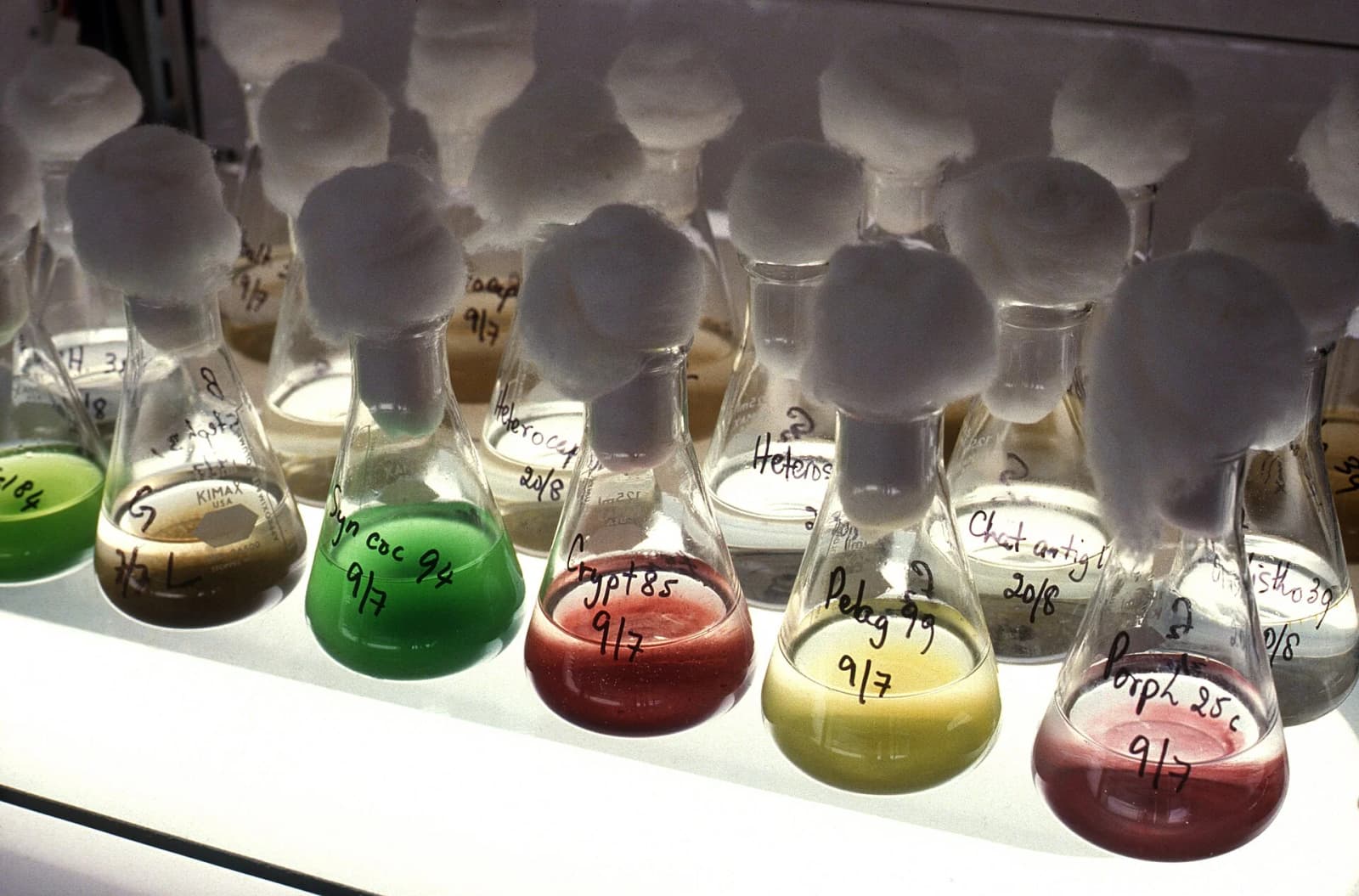
Microalgae are microscopic organisms that use sunlight and carbon dioxide to make biomass. They are studied for wastewater treatment, capturing carbon dioxide, biofertilisers, food and nutraceutical products, and for making biodiesel and other bio-based fuels. The high cost of cultivating them, including the nutrient medium they grow in, has held back large-scale use, according to the institute's release as reported by The Hindu.
How much cheaper is the new medium?
The macronutrients needed for 100 litres of the new medium cost about ₹2.40, against roughly ₹43 for the commonly used laboratory recipe known as Bold's Basal Medium (BBM), The Hindu reported. The overall cost of the new medium is estimated at about ₹4.50 per 100 litres.
The team replaced costly laboratory-grade chemicals with locally available agricultural-grade fertilisers that supply the nitrogen, phosphorus, potassium and sulphur microalgae need, according to UNI and The Hindu. The medium is simple to prepare and can be supplied as a dry powder to be dissolved in water before use.
Has it been tested outside the lab?
Yes. The formulation was tested in the laboratory, in non-sterile conditions and outdoors, and microalgae were grown in a 10,000-litre open pond using natural sunlight and carbon dioxide from the air, according to the release as reported by The Hindu. The reports did not give the growth rates or biomass yields achieved in these trials, so the medium's performance against conventional media at scale has not been publicly detailed.
Why does it matter?
A cheaper growth medium lowers one of the running costs of algae farming, which could make applications such as biofuels and carbon capture easier to test at larger scale in India. Because the medium relies on fertilisers that are already sold widely to farmers, it could also be easier to source than specialised laboratory chemicals.
What happens next?
The researchers are in discussions with a potential industry partner that has proposed a two-month evaluation of the formulation for carbon capture and biomass production, The Hindu reported. The team is also seeking collaborations with companies in biofuels, algal biotechnology and carbon management to explore commercial use of the technology. No commercial agreement has been announced.
Photo source · CSIRO, CC BY 3.0