The Bureau of Indian Standards (BIS) seized about 16,000 rechargeable lithium-ion batteries from a wholesale distributor in Chennai on Thursday, 13 November 2026, after officials found the products carried BIS registration markings that were not backed by a valid registration, according to a release issued through the Press Information Bureau.
The search and seizure was carried out by the BIS Chennai Branch Office at the premises of M/s. Apramatt Enterprises, a battery wholesaler and distributor on Thirumalaiappan Street in Purasaiwakkam. The bureau said the action was taken under Section 28 of the Bureau of Indian Standards Act, 2016.
What officials found
According to BIS, the batteries were sold under the brand name "APRAMATT" and bore the BIS Standard Mark in the form of a Compulsory Registration Scheme (CRS) marking. Officials said the products did not hold a valid registration, which amounts to unauthorised use of the Standard Mark under the 2016 Act.
The bureau said such batteries fall under Indian Standard IS 16046 (Part 2):2018, which corresponds to IEC 62133-2:2017. They are also covered by the Electronics and Information Technology Goods (Requirement of Compulsory Registration) Order, which the Ministry of Electronics and Information Technology (MeitY) has notified under Section 16 of the BIS Act. Under the CRS, meeting the relevant Indian Standard and holding a valid BIS registration for the specific product are both mandatory.
Warning for traders and retailers
S. D. Dayanand, Scientist-F, Senior Director and Head of the BIS Chennai Branch Office, said the bureau carries out enforcement and market surveillance to stop misuse of the Standard Mark and to shield buyers from misleading markings. He said wholesalers, distributors, traders and retailers share responsibility for ensuring that the goods they buy, stock and sell are genuine and meet mandatory certification norms.
He urged businesses to check that any BIS licence or registration they rely on is authentic, current and matches the actual product and brand, and to source goods only through legitimate channels. He also cautioned that a BIS mark or a registration number printed on a product or its packaging should not, by itself, be treated as proof that the product is genuine.
What happens next
BIS said it will take further action against those involved under the BIS Act and other applicable rules, and that the seized goods have been handled as prescribed under Section 28. Further steps, including prosecution, will depend on the outcome of the investigation and on verification of the registration and certification details, the bureau said.
Misuse of the Standard Mark attracts penal action under Section 29 of the Act, which can include imprisonment, a monetary penalty, or both, depending on the offence established, according to the release.
How consumers can check
The bureau advised buyers to verify the ISI mark and registration details of products that fall under mandatory certification before purchasing them. For items under the Compulsory Registration Scheme, consumers should confirm that the registration number corresponds to the actual product and brand. Checks can be made through the BIS Care App, the BIS website (www.bis.gov.in) and the e-BIS portal (www.manakonline.in).
Consumers can report misuse of the Standard Mark, or the sale of products lacking the required certification, through the BIS Care App or by writing to the BIS Chennai Branch Office at cnbo@bis.gov.in, the bureau said.
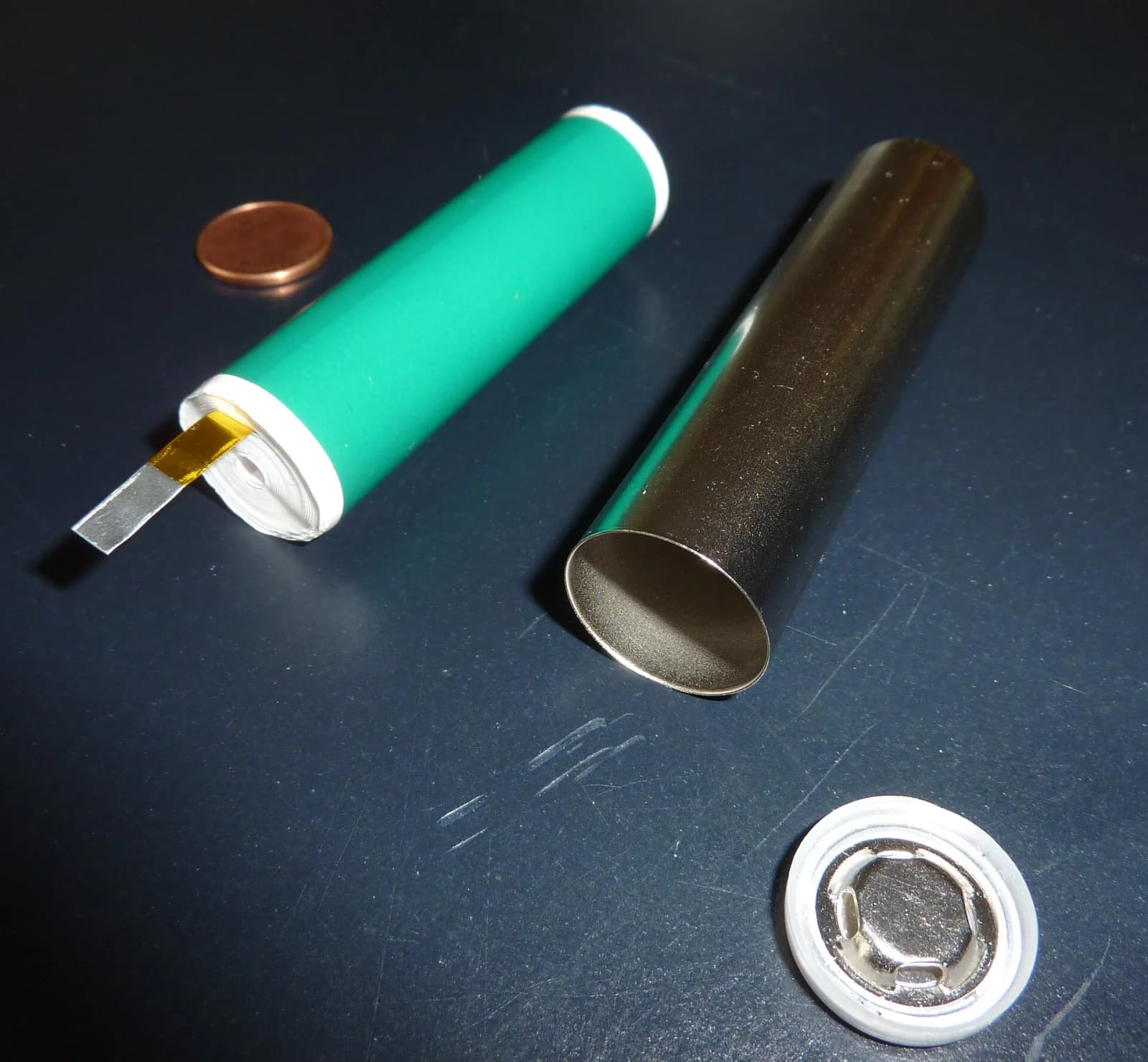
PS · RudolfSimon, CC BY-SA 3.0