BharatGen, the government-funded artificial intelligence initiative anchored at the Indian Institute of Technology (IIT) Bombay, has released Patram 1.5, an open-weight vision-language model built to read scanned, stamped, signed, handwritten and mixed-language documents, according to reports published on 26 and 27 November 2026. The model's weights are available on Hugging Face, and it can also be tried through the BharatGen Playground.
What is Patram 1.5?
Patram 1.5 is an AI model that looks at a document page as an image instead of first converting it to plain text. BharatGen markets it as a 7-billion-parameter model, although its technical specifications put the figure at 7.8 billion, according to Indian Startup News. Because it reads the page visually, it is designed to interpret tables, charts, signatures, stamps, photographs and handwritten notes, Analytics India Magazine reported.
The model supports English and English mixed with Indian languages, has a context window of up to 32,000 tokens and can process multiple images in a single request, according to Analytics India Magazine.
What can it do that older tools cannot?
BharatGen describes a feature it calls "OCR 3.0", in which users tell the model in plain language what information they want extracted from a document, and receive the result as JSON, HTML or Markdown. The model is also trained to abstain: when part of a page is blank, illegible or masked, it is meant to say it does not know rather than guess, and it can flag uncertain values for human review.
BharatGen chief executive Rishi Bal told Fortune India, as quoted by Indian Startup News, that the ability to say "I don't know, instead of making up an answer" is critical for business workflows. He said he expects early adoption in document-heavy work such as know-your-customer (KYC) checks, with banking, financial services and insurance the most ready sector.
How does it perform?
BharatGen evaluated the model on 49 tests: 34 public benchmarks and 15 tasks from its own PatramBench, which contains 11,828 test items drawn from 8,773 pages of Indian documents, Analytics India Magazine reported. The company reports an aggregate score of 83. These are BharatGen's own figures and have not been independently verified.
Why it matters
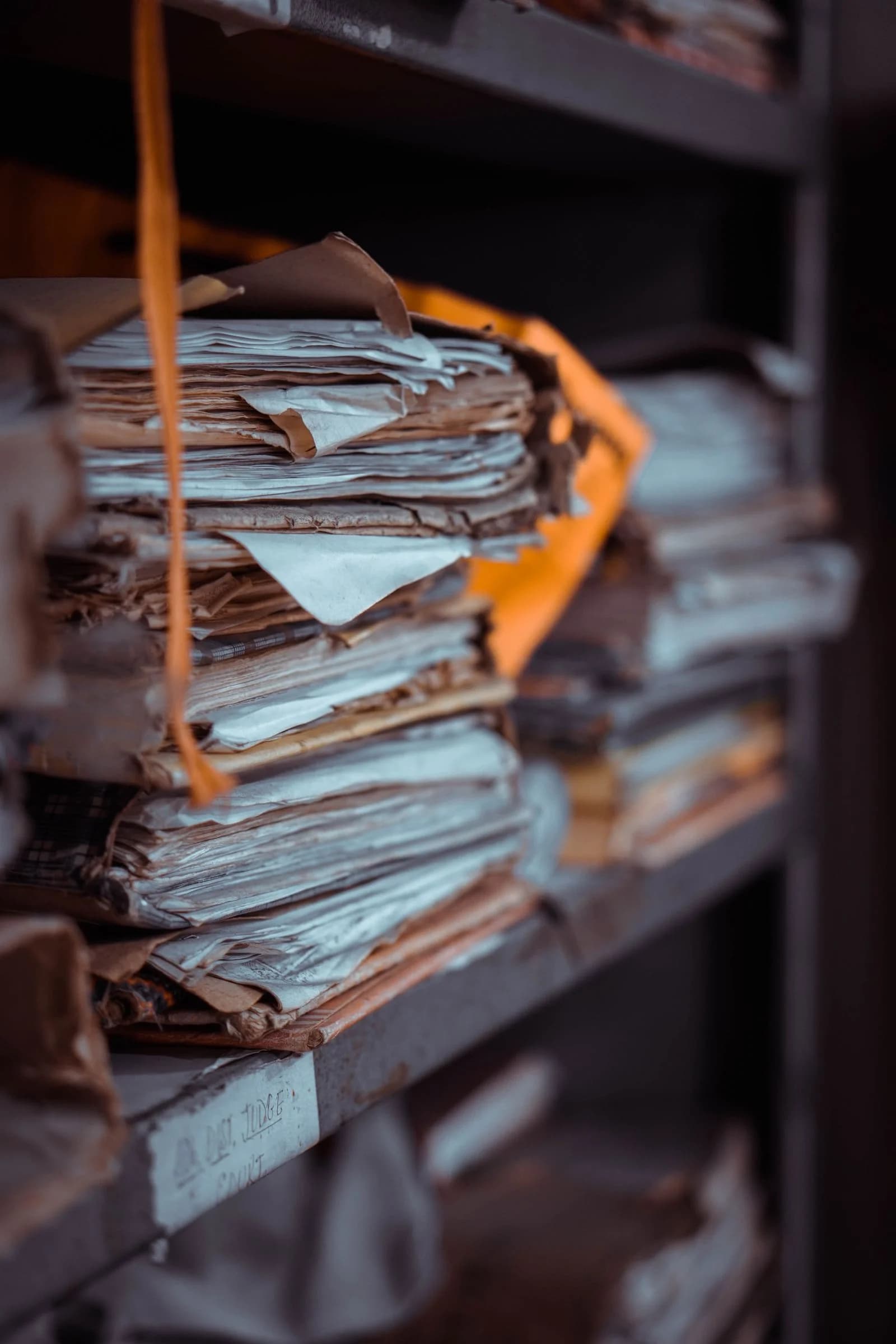
Banks, insurers, hospitals and government offices in India handle large volumes of paper forms that are often poorly scanned or filled in by hand. A model small enough to run on an organisation's own servers means sensitive files need not leave its systems, a point Mr Bal made with reference to Aadhaar-based KYC documents. Indian Startup News reported that the model runs on NVIDIA H100, B200 and L40 graphics processors and that its weights are released under the Apache 2.0 licence, which permits commercial use.
The release comes in the same week that the Ministry of Electronics and Information Technology launched other India-built models, as MapMyTimes reported in its story on the Chariot-1 foundation models under the IndiaAI Mission.
Background: who is behind BharatGen?
BharatGen was set up in 2024 under the National Mission on Interdisciplinary Cyber-Physical Systems and operates through the BharatGen Technology Foundation, a not-for-profit company at IIT Bombay, according to Indian Startup News. It has received Rs 235 crore from the Department of Science and Technology and Rs 1,058 crore approved by MeitY under the IndiaAI Mission, the report said. The first Patram model was unveiled in June 2025, and Patram 1.2 followed in February 2026.
What happens next
BharatGen said PatramBench will be released on Hugging Face in the coming days. The Playground currently offers parsing, extraction, classification, document splitting and section identification, with digitisation, translation and editing tools expected later. API access is on a waitlist, according to Indian Startup News.