The seventh Beyond Borders Feminist Film Festival opens in New Delhi on 30 November 2026, bringing more than 50 fiction and non-fiction films from India, Bangladesh, Iran, Indonesia and the United States to audiences over eight days, until 7 December. The festival is organised by Kriti Film Club, a volunteer-run documentary initiative, and its opening day falls on South Asian Women's Day.
Where and when are the screenings?
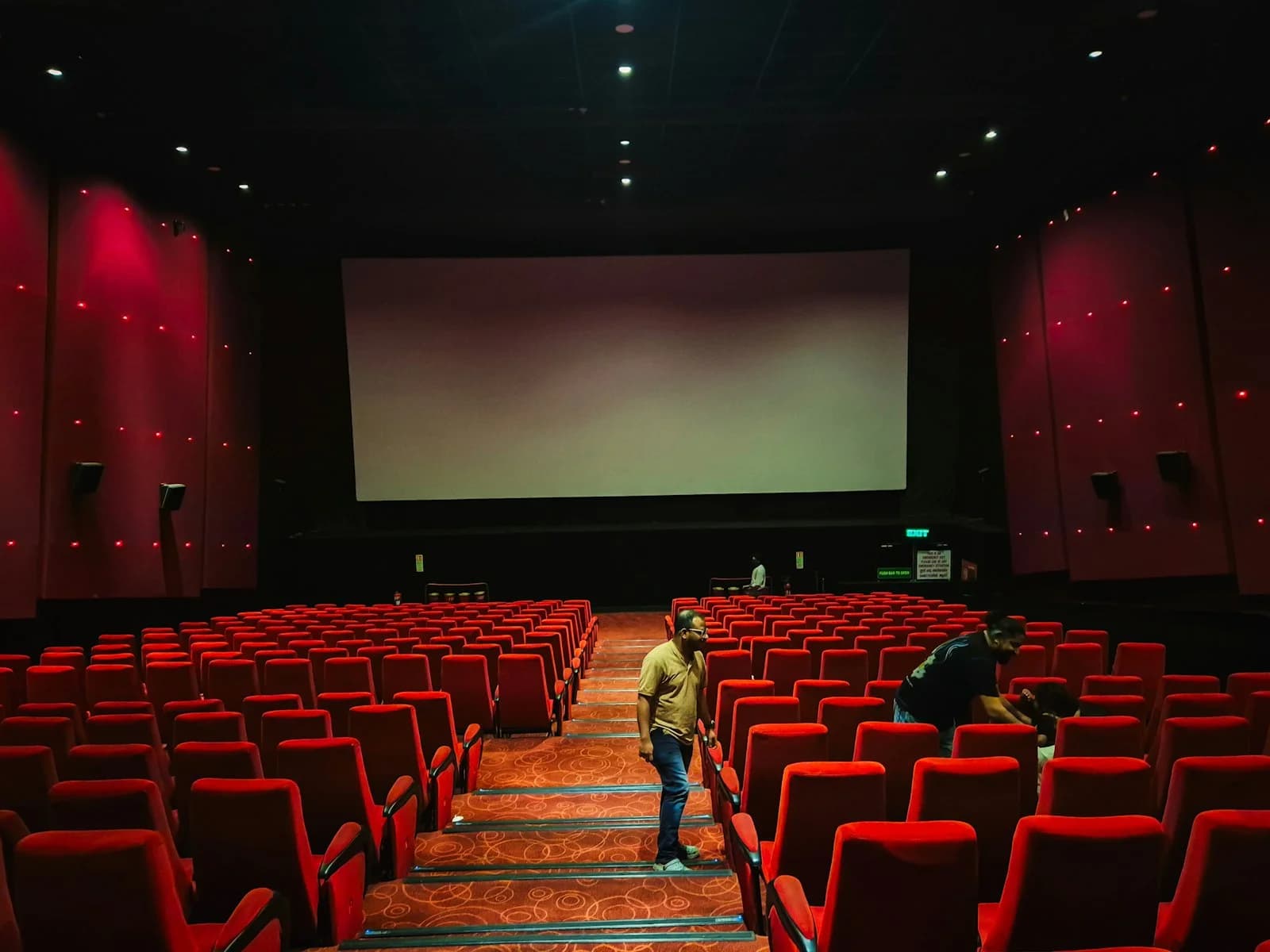
Screenings run in two parts. According to the festival announcement by Kriti Film Club, the first segment is at Alliance Française de Delhi from 30 November to 2 December, from 10:30 am to 9 pm, and the second is at India Habitat Centre from 5 to 7 December, from 7 pm to 9:30 pm. Viewers are asked to register through the club. The festival is directed and curated by Aanchal Kapur, founder of Kriti Film Club, with Ayushi Alva as programmer.
Kriti Film Club says the festival is part of the global 16 Days of Activism against Gender-Based Violence campaign.
Which films are on the programme?
The opening feature on 30 November is Herland, a 61-minute film about women in a conservative Rajasthan village who assert their right to work and to leave home without a man's permission, The Hindu reported. The first segment closes on 2 December with Flowers of Acacia (Kikkran de Phull), an 87-minute film about women who perform in wedding orchestras in Punjab.
Other titles at Alliance Française include:
- O'Sey Balamma, which premiered at the 2026 Sundance Film Festival and follows a matriarch and her housekeeper during Sankranti;
- Flowers Bloom When Touched, a comedy-thriller about arranged marriage that premiered internationally at Montreal's Fantasia Festival;
- Kucchar, described as the first Indian film to win Best International Short at Palm Springs ShortFest.
The India Habitat Centre segment includes Sulagna Chatterjee's Olakh, about a widow and her domestic worker; Auto Queens, which follows Mohana, president of Tamil Nadu's first women-led auto-rickshaw union, and driver Leela Rani; and A Sunflower in Delhi, set in a women-only Chinese beauty parlour. Graduation films from the National Institute of Design, such as Kranti and Aapkarmi, are also listed.
Young filmmakers at the centre
This edition gives prominence to young, student and first-time directors. Several films come from graduation or debut projects at the National Institute of Design, the Film and Television Institute of India, the Satyajit Ray Film and Television Institute and the AJK Mass Communication Research Centre at Jamia Millia Islamia. Many titles will have world, India or Delhi premieres at the festival.
Themes across the programme include domestic labour, menstrual taboos, domestic violence, caste, queerness, education, bodily autonomy and women's freedom. Films such as Meera aur Meera ki Beti, Of Bleeding Goddesses, Namak, Silbatta and Good Queer Bad Queer take up these subjects.
Community screenings and conversations
Alongside the venue screenings, the festival is running community screenings of curated Hindi-language films for children, young people and adults across Delhi-NCR, in partnership with non-profits and community groups. Every screening is followed by a conversation with filmmakers, practitioners and the audience.
How did the festival begin?
Beyond Borders started as an online festival in 2020, during the COVID-19 pandemic, and grew out of an exchange between Kapur and the late feminist activist Kamla Bhasin. Kriti Film Club is part of the Kriti Development Praxis and Communication Trust, which has spent more than 28 years taking issue-based cinema to wider audiences.
The festival follows a busy month for cinema in India, after the International Film Festival of India closed in Goa on 28 November.