Police fired tear gas and sound grenades at garment workers who tried to block the Dhaka–Mymensingh highway in Bangladesh's Gazipur district on Sunday, 22 November 2026, as protests over pay continued on the eve of a key wage board meeting, according to The Business Standard (Dhaka) and UNI.
The minimum wage board for the country's ready-made garment sector was scheduled to hold its rescheduled third meeting on Monday, 23 November, at its office in Segunbagicha, Dhaka, The Daily Star has reported.
What happened in Gazipur?
Workers at Hams Garments, Aman Cotton and Danimex Garments in Sreepur stopped work on Sunday morning, and the factories later declared a holiday, The Business Standard reported. At around 11 am, workers marched to the Gorgoria Masterbari area and held up traffic on the highway until industrial police, district police, Ansar and Border Guard Bangladesh (BGB) personnel arrived.
Protesters later gathered at the Ashpada intersection and threw bricks at police, who responded with tear gas shells and sound grenades, the report said. Traffic on the highway was disrupted for about 45 minutes and returned to normal around noon. Md Shafiul, an additional superintendent of Gazipur Industrial Police, said workers had tried to occupy the highway and were dispersed.
What are the workers demanding?
Workers want the monthly minimum wage raised to 30,000 taka, from 12,500 taka now, citing higher costs of food, housing and transport, Reuters and Al Jazeera have reported. That would be an increase of about 140%.
The six-member wage board, which includes government, worker and factory-owner representatives, was formed in early November. At its first meeting on 4 November it agreed the revised pay structure would apply from December, without discussing the size of the rise. A meeting set for 16 November was postponed after a worker representative said he was unwell, which set off a fresh round of protests.
Wage board chairman Syed Azad Subhani has said the new scale will take effect from 1 December whatever the final amount, with workers receiving revised pay in January 2027, according to The Daily Star. He said 14 days must be allowed for opinions, objections or appeals once the amount is finalised.
How serious is the unrest?
The protests began on 31 October. By 18 November, police in Savar said 117 people had been arrested and 11 cases filed, The Daily Star reported. A BGMEA vice-president, speaking anonymously, told the paper that production halted at nearly 450 factories on one day of protests. Al Jazeera reported that about 500 of the country's 4,500 garment factories were shut on 17 November.
Security has been tightened across industrial belts. MapMyTimes reported on 22 November that BGB had deployed 95 platoons across seven districts amid separate political unrest in Narail and other areas.
Why does the garment sector matter?
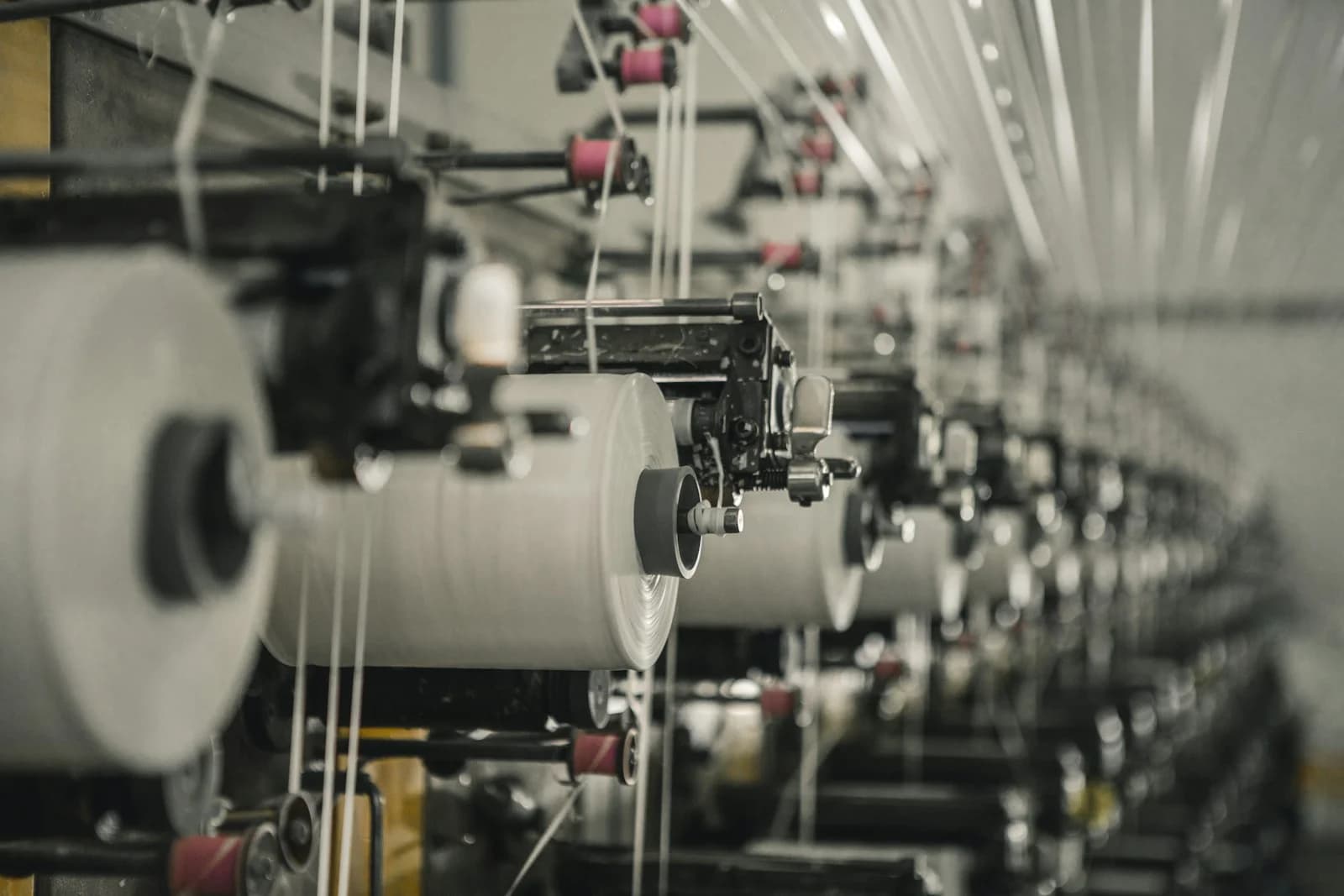
Bangladesh is the world's second-largest garment exporter after China. The industry earns about $38 billion a year, employs more than four million people and accounts for over 80% of the country's export earnings, with buyers including H&M, Zara owner Inditex and Walmart. Reuters reported earlier this month that hundreds of factories had shut during a key production period for spring and summer orders.
What happens next?
The outcome of Monday's meeting was not known at the time of writing. Some protesting workers said they expected a decision on the wage increase around 25 November, a date that has not been officially confirmed.