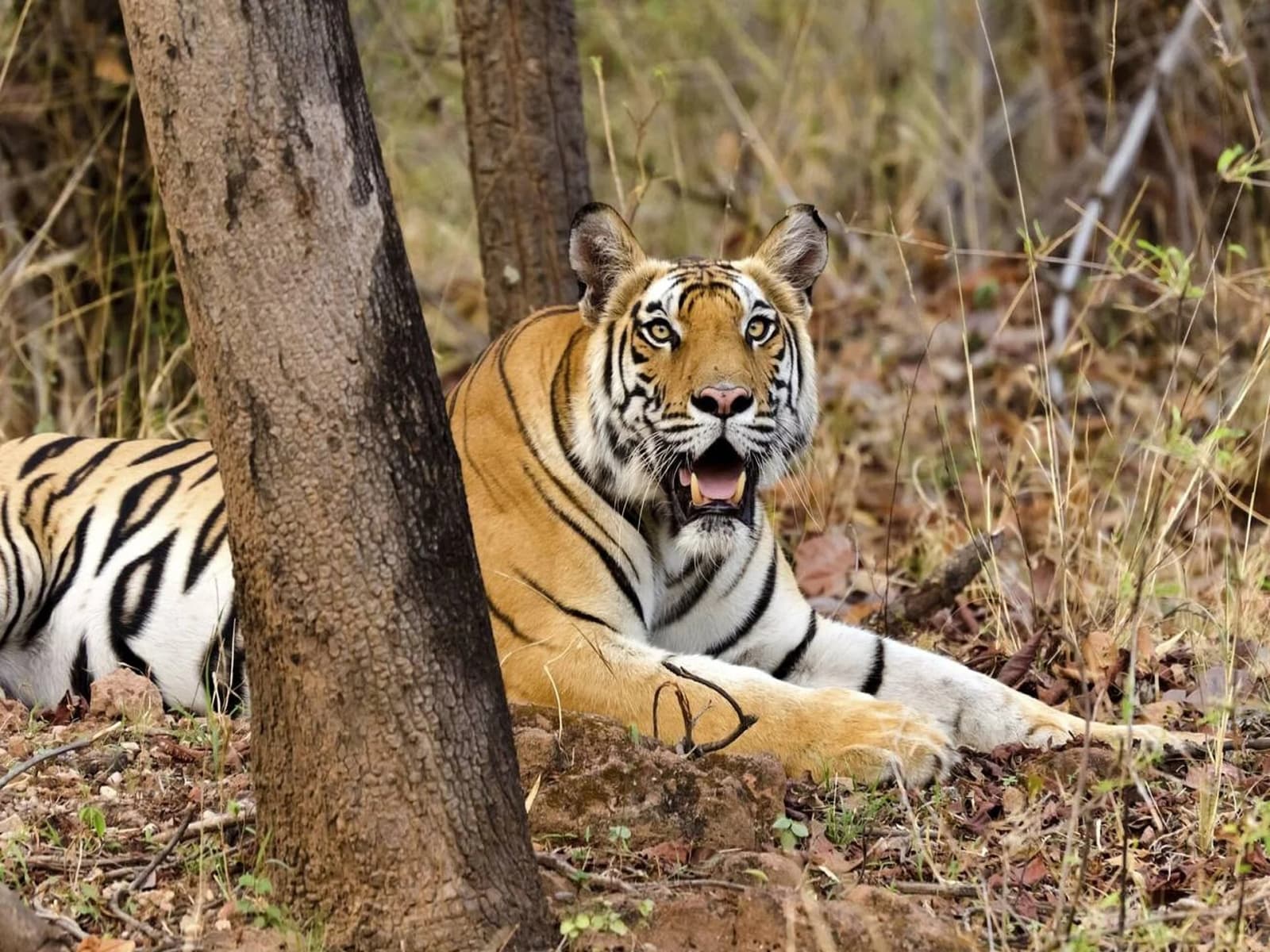
Management at Bandhavgarh Tiger Reserve in Madhya Pradesh's Umaria district convened tourism stakeholders on November 25, 2026 to prepare for the sixth cycle of the Management Effectiveness Evaluation (MEE-2026), reviewing waste disposal, plastic restrictions, tourist facilities, and safari discipline across buffer and core zones.
Guided by Field Director Dr. Anupam Sahay, the consultative session was chaired by Assistant Director (Tala) Jitendra Awase and Tala Range Officer Rahul Kirar, bringing together hotel and resort representatives, safari gypsy owners, tourist guide association office-bearers, and safari drivers.
Why MEE-2026 Matters for Bandhavgarh
The nationwide MEE exercise is conducted every four years jointly by the National Tiger Conservation Authority (NTCA) and the Wildlife Institute of India (WII). In this sixth cycle, 58 tiger reserves across India are being assessed against a 34-question evaluation framework covering habitat management, protection, eco-tourism compliance, and community participation.
Reserve authorities told participants that stakeholder coordination directly influences management effectiveness scores, especially where visitor movement intersects with sensitive wildlife corridors and surrounding villages.
Key Directives on Plastics, Waste, and Local Jobs
During the meeting, officials stressed strict enforcement of single-use plastic bans inside park premises alongside structured segregation of wet and dry waste at hotels and resorts bordering the reserve. Resort operators were asked to prioritise local youth in hospitality, guiding, and support roles to strengthen community stakes in tiger conservation.
Safari drivers and nature guides also reviewed route adherence, speed limits, and minimum viewing distances from wildlife so peak winter tourism proceeds without disturbing big cats or prey habitats.