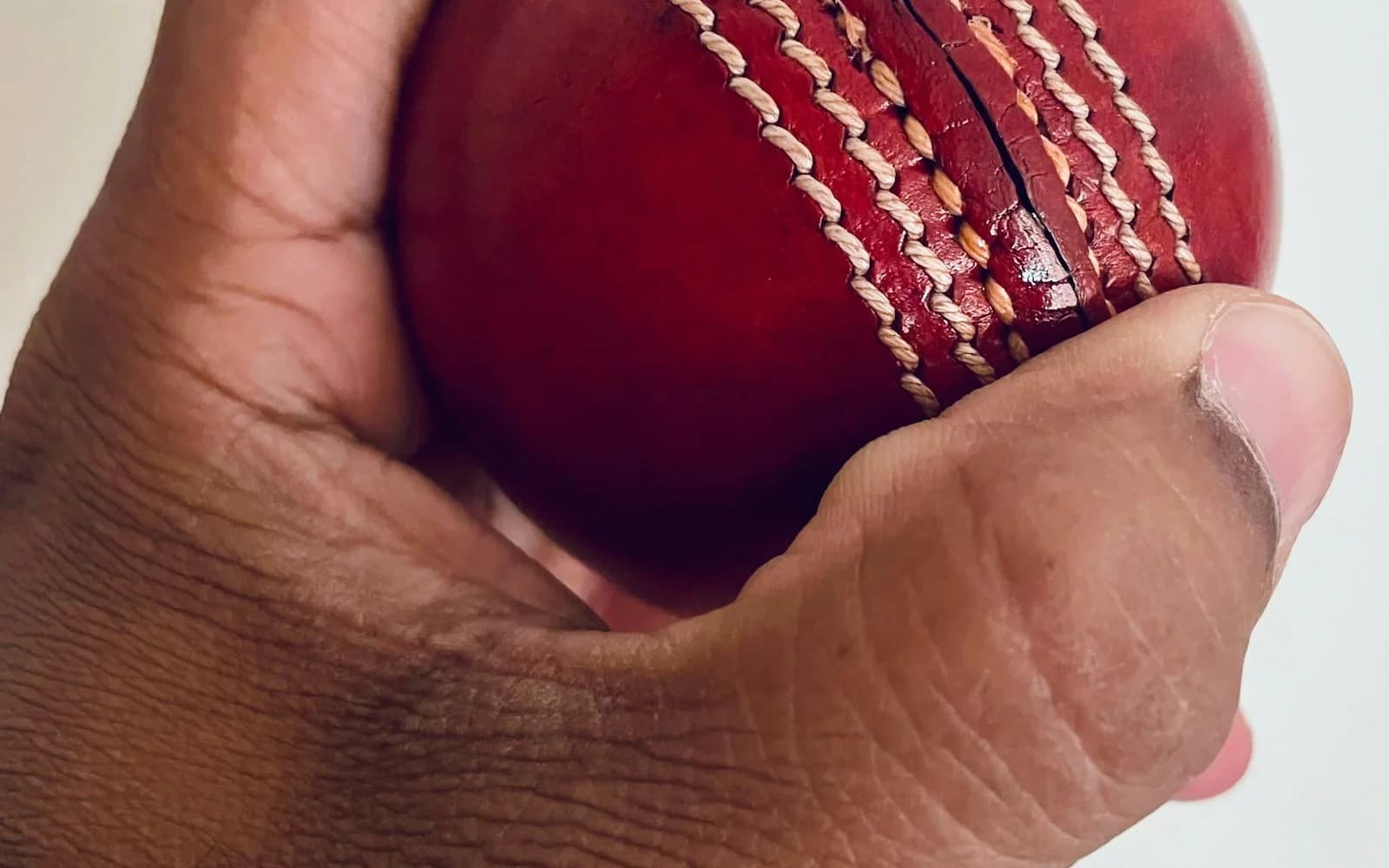
Former Australia opening batter Cameron Bancroft, one of three players banned over the 2018 ball-tampering scandal in South Africa, has said he was made "the scapegoat for the entire team". In a long first-person column published in the Perth newspaper The West Australian on 18 November 2026, he alleged that team-mates and support staff knew improper methods were being used to alter the ball on that tour. Cricket Australia (CA) said it would consider his account.
What did Bancroft say?
Bancroft wrote that he had "never been completely honest about what happened" on the 2018 tour and that the "entire truth" was never told. According to Cricket Australia's own news site, which summarised the column, he said sandpaper was not used in the first Test in Durban but that there was a "significant escalation" in the second Test at Port Elizabeth.
He alleged that bowling coach David Saker was "involved in those conversations" during a tea break about getting the ball to reverse swing, that head coach Darren Lehmann "was also present", and that David Warner raised the idea of using sandpaper. He described captain Steve Smith as distancing himself from the discussions; Sky Sports quoted the column as saying Smith told him: "I don't want to know about it."
For the third Test in Cape Town, where he was caught on camera, Bancroft alleged that Lehmann and reserve batter Peter Handscomb knew what was happening. "WE ALL KNEW," he wrote.
Does he accuse the bowlers?
Not directly. Cricket.com.au noted that Bancroft stops short of explicitly saying any bowler knew he was using sandpaper. He wrote that he spoke to the fast bowlers and wicketkeeper Tim Paine about the ball, and acknowledged "a distinction between knowing a ball is reversing, suspecting it has been altered and knowing specifically that sandpaper has been used". He called a 2021 joint statement by Pat Cummins, Mitchell Starc, Josh Hazlewood and Nathan Lyon, in which they denied knowledge, "deeply painful".
Sky Sports reported that Bancroft named Cummins's recent press conference as "the final straw" that led him to write the account. Cummins had dismissed similar claims by former team-mate Usman Khawaja as "utter nonsense"; his management said nothing in Bancroft's statement had not already been answered at that press conference. Lehmann told reporters he needed time to read and respond to each allegation, Sky Sports reported. ABC News noted that Lehmann had denied knowledge of the plan to CA's investigators in 2018.
How has Cricket Australia responded?
CA said it was taking time to consider the column. "We expect that there will be many dimensions to the events of 2018, which is why we have established the forum for individuals to give their version of events," it said. "We are finalising the terms of reference and will commence the process as soon as possible."
Chief executive Todd Greenberg and interim chair David Boon announced the "independent forum" for players and staff from the 2018 tour before the third England ODI in Hobart, stressing it would not re-litigate the original investigation. CA has said there will be no new investigation or sanctions. Bancroft said he looked forward to taking part.
Why does it matter?
The 2018 affair cost Bancroft a nine-month ban, while Smith and Warner were suspended for a year. The row was revived this month by Khawaja's autobiography, Sabr, which also alleged wider knowledge within the team. Bancroft, now 33, played two more Tests after his ban and has not been picked since the 2019 Ashes.
What happens next?
The forum's terms of reference are still being finalised, and it is not yet clear who will take part or whether its findings will be made public. Australia's next Test series, against New Zealand, begins on 9 December.