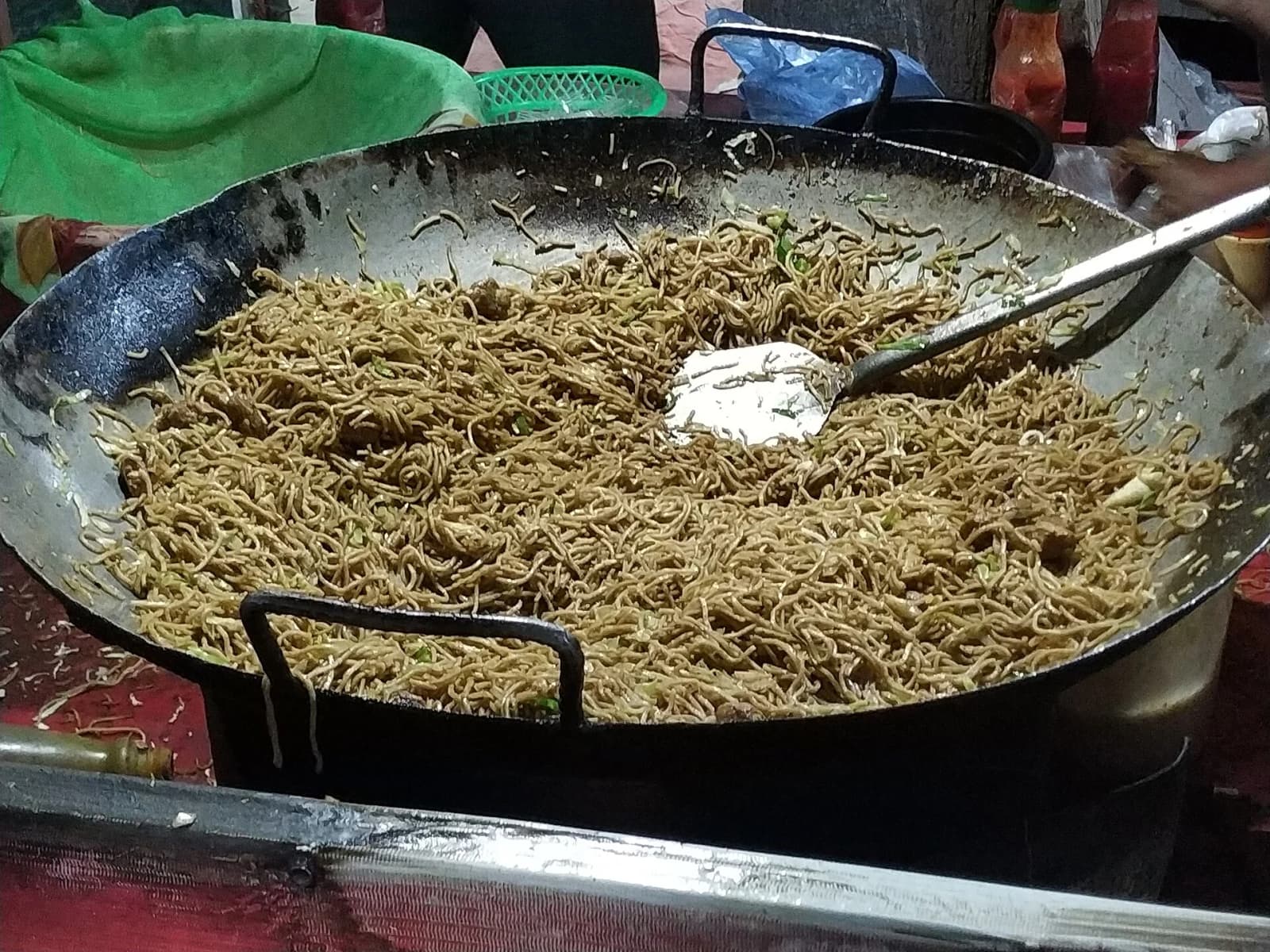
More than 100 children were taken ill after eating chowmein sold at a village fair in Madhya Pradesh's Balaghat district on the evening of Saturday, 21 November 2026, and 57 people, 45 of them children, were still in the district hospital on Sunday, officials said. The administration has collected food samples for laboratory tests, and four food vendors have been arrested, the district's chief health officer said.
The fair, a traditional village gathering known locally as a madhai or mandai, was held at Hirri village in the area of Kirnapur police station, The Indian Express reported. Those who fell ill complained of severe stomach pain and vomiting soon after eating chowmein and manchurian bought at a stall there, according to the Free Press Journal.
How many people were affected?
The figures given so far vary slightly. Balaghat Collector Aditya Singh told The Indian Express that 118 children had fallen ill, along with 12 adults. Chief Medical and Health Officer Dr Shatrughan Singh Dahiya told the Free Press Journal that about 120 people, including 90 children, had been hospitalised.
All were first taken to the Community Health Centre at Kirnapur. Patients whose condition worsened were referred to the Balaghat District Hospital: 45 children were admitted to the paediatric ward and 12 adults to the medical ward. According to the collector, the other 73 children were discharged after primary medical care.
"Currently, 45 children and 12 adults are admitted to the district hospital. Their condition is normal and they are out of danger," Singh told The Indian Express. Dr Dahiya also said all patients were stable.
What action has the administration taken?
Four vendors have been arrested, Dr Dahiya told the Free Press Journal. Food samples have been sent for laboratory testing, and the administration has seized the stalls allegedly linked to the outbreak, The Indian Express reported, adding that an investigation into the suspected contamination is under way.
The collector visited the district hospital early on Sunday, met the children and their families, and told doctors to make sure every patient received proper treatment. He also directed officials to take strict action against those responsible for the stall. Superintendent of Police Mali Jain also visited the hospital and assured families of support, the Free Press Journal reported.
What is confirmed and what is not
- Confirmed: the illness followed food eaten at the fair on 21 November; 45 children and 12 adults were in the district hospital on 22 November; officials say all are stable; samples have been taken and four vendors arrested.
- Not yet confirmed: the exact cause of the contamination, which depends on laboratory results; the final count of those affected, since officials have given figures of 118 children and about 90 children; and the specific charges against the vendors.
Why it matters for Balaghat
The outbreak comes at a time of wider concern about child health in the district. According to The Indian Express, 32 children have died in tribal-dominated parts of Balaghat since June. A Central government team, the National Joint Outbreak Response Team, investigated those deaths and found serious gaps in disease surveillance, laboratory facilities, vaccination records and health staffing, particularly in the Birsa block, the paper reported. The team also pointed to malnutrition and to the health system's limited ability to detect and respond to emergencies involving children.
Separately, in another Madhya Pradesh district, Chhindwara, the food safety office banned the sale of a batch of cow ghee declared unsafe.
What happens next
The laboratory reports on the food samples are expected to show what made people ill and will guide any further action against the vendors. Doctors at the district hospital will decide when the remaining children and adults can be discharged.
Photo source · Ravi Dwivedi, CC BY-SA 4.0