Australia's Defence Minister Richard Marles on 22 November 2026 rejected a US Congressional Budget Office (CBO) assessment that the AUKUS submarine deal will shrink the US Navy's attack submarine fleet, saying of the budget office: "They are wrong." Speaking in televised remarks in Australia, Marles said he was not worried by the findings because "AUKUS is very much happening".
What did the US budget office say?
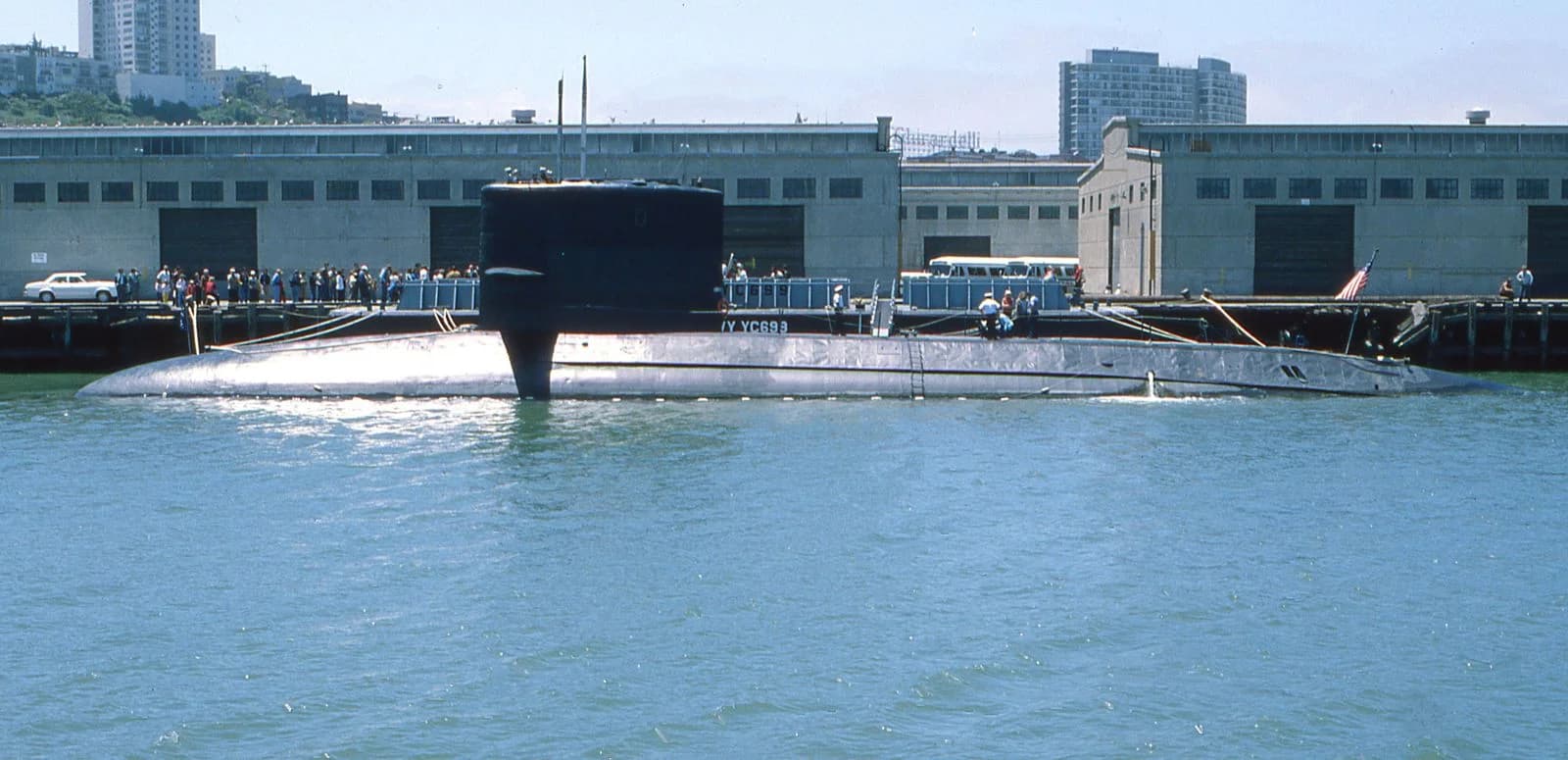
The CBO said in a report this month that selling Virginia-class nuclear-powered submarines to Australia "could diminish the size of the navy's attack submarine force through to 2060", Reuters reported. According to Anadolu Agency, the report, released on Friday and first reported by the Australian Broadcasting Corporation, warned that building extra submarines to replace those sold to Australia would make "the challenges" facing the US Navy and its shipyards harder.
The CBO did not immediately respond to Reuters' request for comment.
How did Australia respond?
Marles argued that US submarine output was rising. "The production rate in the United States is absolutely increasing," he said. Anadolu reported that he said he expected more reports of this kind over the coming decade. In October, Marles said Australia remained on track to receive its first nuclear-powered submarines from the United States in the early 2030s.
What is AUKUS?
AUKUS is a security partnership formed in 2021 by Australia, the United Kingdom and the United States. It is Australia's largest-ever defence project, and Reuters noted it was set up as part of efforts to counter China's growing influence in the Indo-Pacific. China has called the pact dangerous and warned it could spur a regional arms race.
Under the plan, US-commanded Virginia-class submarines will be stationed in Australia from next year, and several Virginia-class boats will be sold to Australia from around 2030. Britain and Australia will also build a new class of nuclear-powered submarine. Canberra has committed A$368 billion (about $243 billion) over three decades, including investment in British and US production bases. Anadolu reported that the UK has pledged £4 billion and the US is contributing $17.5 billion.
Why it matters
The dispute goes to the heart of whether the US industrial base can supply its own navy while also equipping an ally.
AI data centres also on the agenda
Marles also played down warnings from US President Donald Trump, who has said he will not allow American AI companies to build data centres abroad and has threatened "tremendous taxes" on firms that do. According to Anadolu, Marles argued that AI infrastructure in Australia also serves US security interests, because keeping all of it in the United States would create a vulnerability. "We need to be doing it on our terms," he said of foreign investment in the sector.
What next
The CBO has not publicly answered Marles's criticism. Australia's first Virginia-class submarine purchase is still expected around 2030, and the rotational presence of US boats in Australia is due to begin next year.