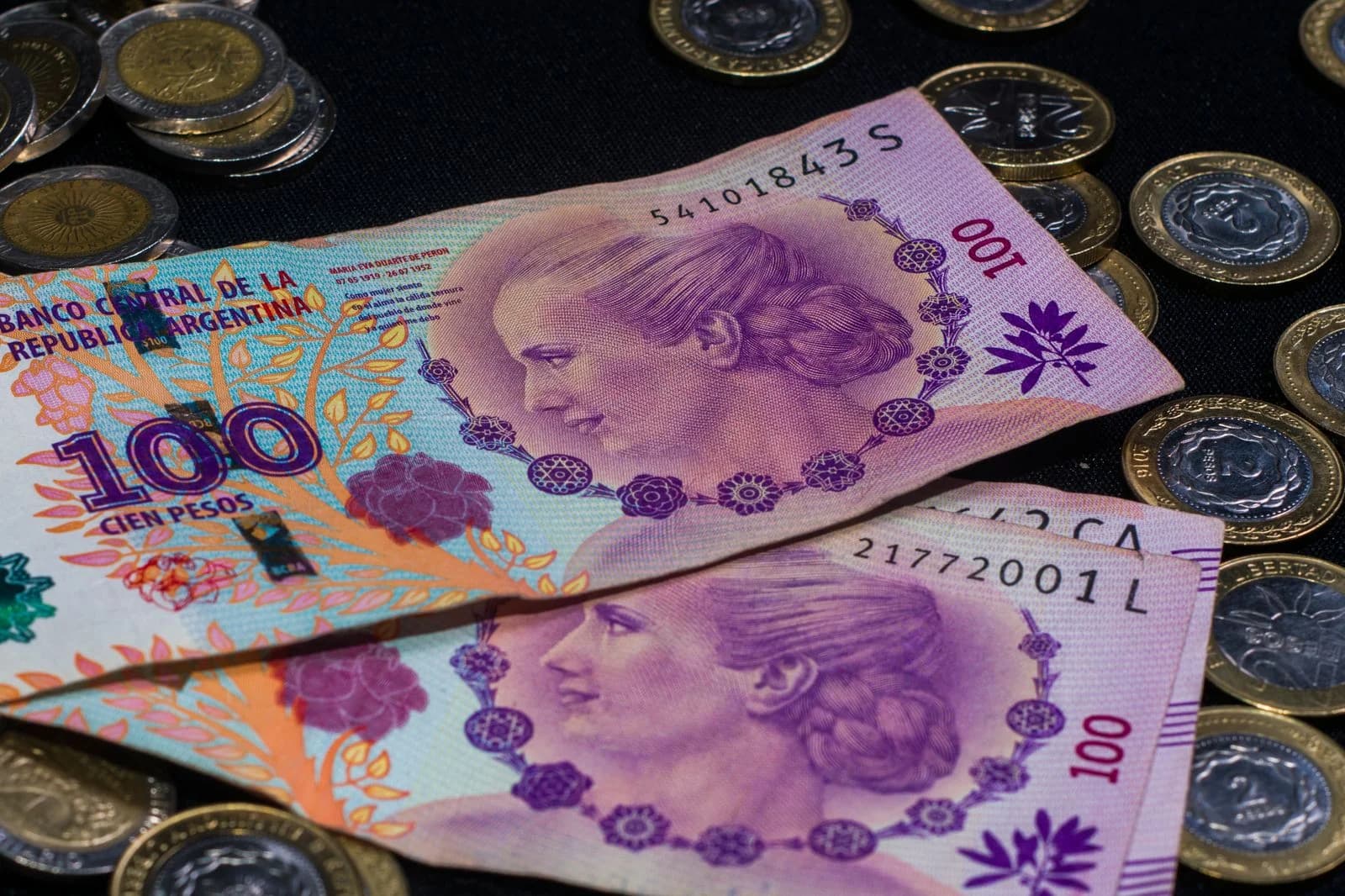
Argentina's Congress gave final approval on Thursday, 26 November 2026, to President Javier Milei's overhaul of the Central Bank of the Argentine Republic, barring the bank from printing money to fund government spending. The Chamber of Deputies in Buenos Aires passed the bill by 141 votes to none, with 99 abstentions, Al Jazeera reported, completing a process that began in the lower house in August.
What does the new law change?
The law stops the Central Bank from financing the government and defines its "primary and fundamental mission" as maintaining the value of the national currency, according to Al Jazeera. The Buenos Aires Times, in a report based on Bloomberg, said the reform writes the financing restriction into law. Until 2012 the bank's purpose was preserving the value of the peso; that year, then-President Cristina Fernández de Kirchner broadened its mandate to include monetary and financial stability, employment and economic development with social equity, the paper noted.
Did Milei get everything he wanted?
No, he did not get the protection he sought for the bank's leadership. The Senate, which passed the bill with changes in September, removed a Milei-backed clause that would have required a two-thirds vote in both chambers to remove Central Bank governors. Instead, a simple majority of 37 votes in the Senate will be needed to appoint or remove them, the Buenos Aires Times reported, and Thursday's vote in the lower house fell short of the two-thirds needed to restore the original wording.
Milei's office welcomed the result, saying, "This marks the end of nearly two decades of political manipulation at the Central Bank," Al Jazeera reported. The Buenos Aires Times described the vote as a symbolic victory for a libertarian economist who once campaigned on abolishing the monetary authority.
Why does it matter?
Argentina has long covered fiscal deficits by printing pesos, which fuelled currency crises and pushed inflation into triple digits before Milei took office in December 2023, according to the Buenos Aires Times. Al Jazeera said such money printing by past governments helped drive inflation above 200 percent in 2023. The bank was founded in 1935.
Since taking office, Milei's government has relied on deep spending cuts and executive action to curb monetary financing. Inflation has fallen, but poverty has risen and economists believe the economy may be entering a recession, Al Jazeera reported. Putting the ban in law makes it harder for a future government to return to financing deficits through the central bank.
What else happened in Congress?
On the same day, the Senate voted 43 to 29 to advance a bill suspending primary elections ahead of the next presidential vote, set for 24 October 2027, according to Al Jazeera. The bill would also cut public funding for political parties and drop the mandatory presidential debate. Buenos Aires province Governor Axel Kicillof, a potential challenger, accused Milei of trying to "change the rules of democracy" to improve his re-election chances, while Milei's party, La Libertad Avanza, says the change would simplify elections.
What happens next?
The reports did not say when the Central Bank law will be signed and published. The Chamber of Deputies is now weighing Milei's 2027 budget, which would then go to the Senate, and the primaries bill still needs lower-house approval.