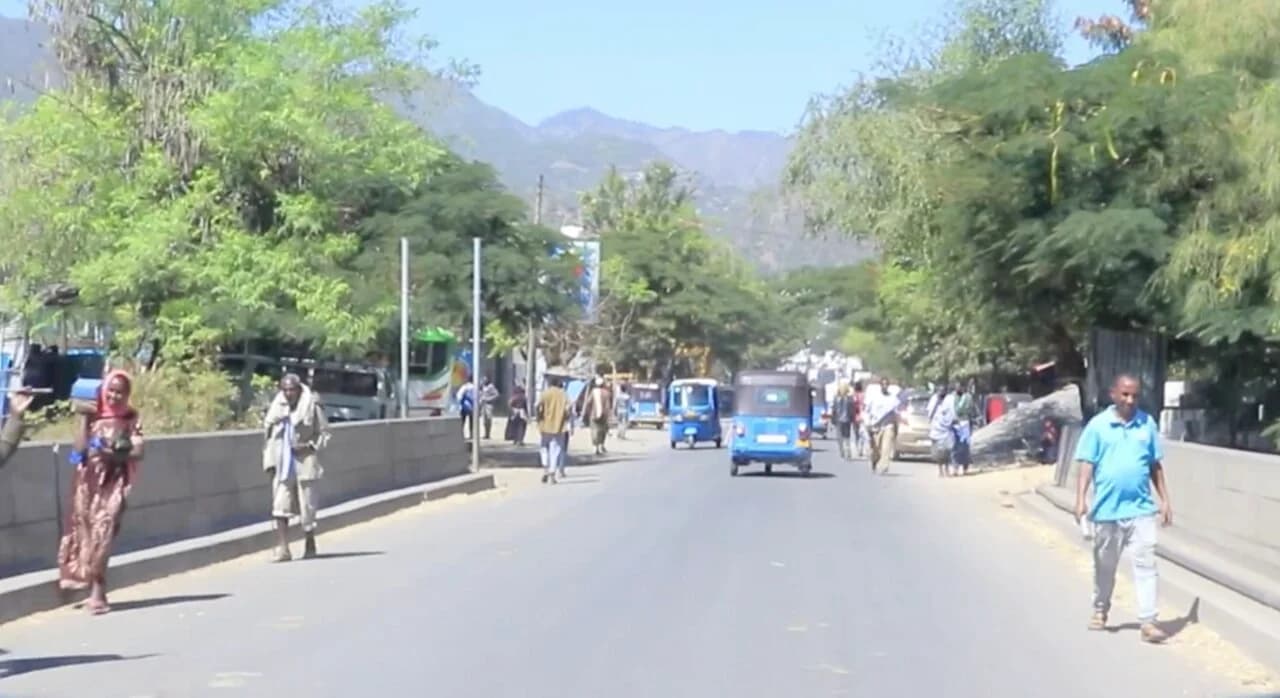
Amnesty International has called for artillery strikes on civilian neighbourhoods of Alamata, a city in southern Tigray in northern Ethiopia, to be investigated as possible war crimes, saying it verified the deaths of 14 civilians in four attacks between 26 and 28 September 2026. The rights group published its findings on 23 November 2026, and they were widely reported on 24 November.
In its investigation, Amnesty attributed the shelling to the Ethiopian National Defense Force (ENDF) and its allied Tigray Peace Forces (TPF), which took control of Alamata from the Tigray People's Liberation Front (TPLF) on 28 September.
What did Amnesty find?
Amnesty says shells hit homes, a bar and a busy market area over three days, killing at least 14 civilians it could independently verify. According to the report:
- On 26 September at about 11am, a shell struck a bar near a crowded market during Demera celebrations, killing at least three people.
- The same evening, at about 6:45pm, a shell hit a house in the Missionary Camp area, killing three people and injuring four.
- At dawn on 27 September, artillery struck five houses in a condominium area of Kebele 04, killing seven people, including a mother, her son and her brother, and injuring four.
- Later on 27 September, shelling hit a family home in Kebele 02, killing a 55-year-old woman and seriously injuring her husband and three others, including a child.
The group said the attacks killed dozens of people in total, but it was able to independently verify only 14 deaths.
How was the evidence gathered?
Amnesty says it interviewed 28 people, including survivors, witnesses, relatives and medical and humanitarian workers. Its Evidence Lab analysed eight videos, 17 photographs and satellite imagery, and a weapons investigator assessed munition fragments from the Kebele 02 strike as consistent with artillery fired by the ENDF and its allies. Amnesty said it was "highly unlikely" that TPLF forces inside the city were responsible.
The report also says TPLF forces had set up military positions in residential areas and schools without warning or evacuating residents, which Amnesty described as a failure to protect civilians but not a justification for indiscriminate shelling.
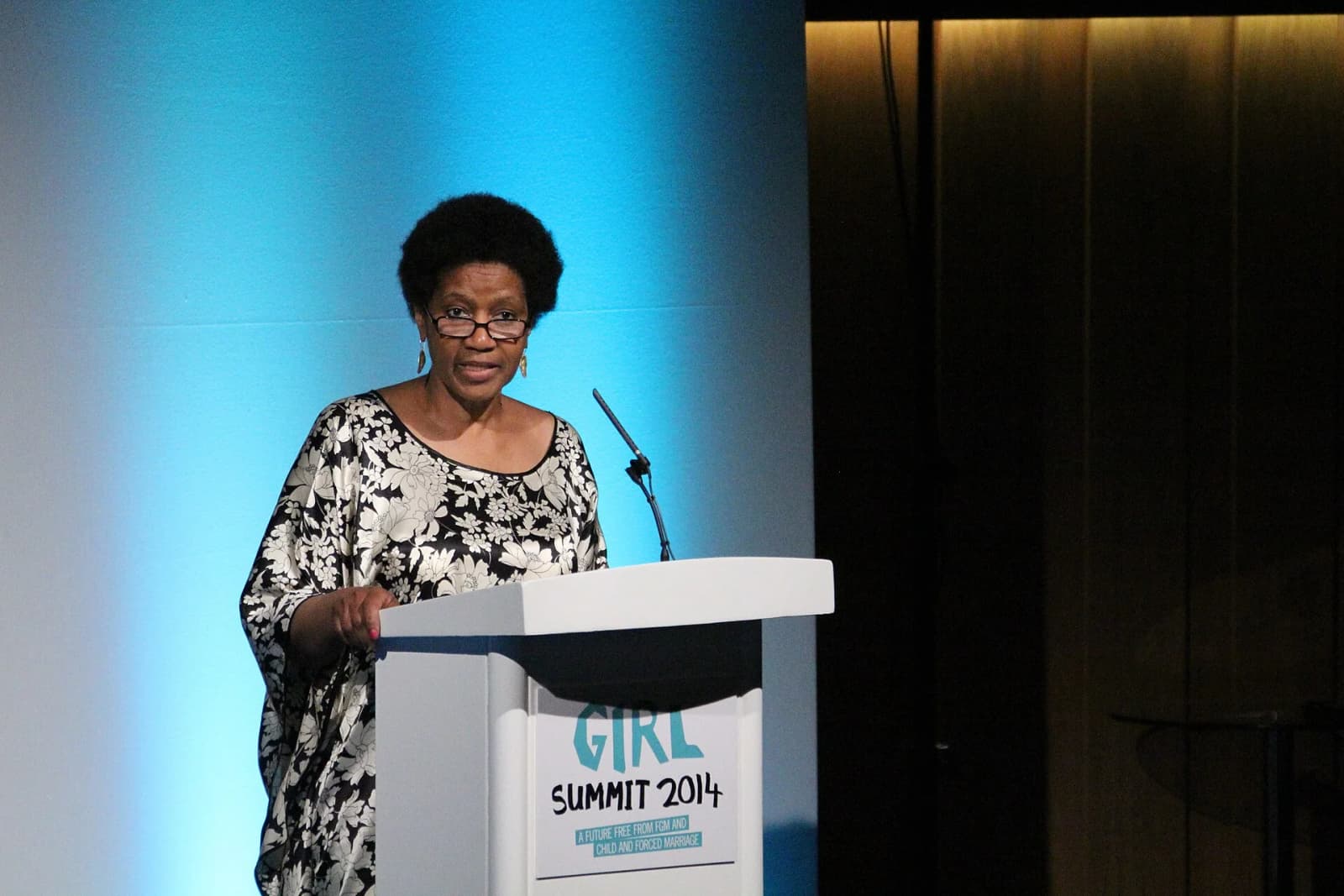
"Indiscriminate attacks violate the rules of international humanitarian law," said Yasmine Ahmed, a senior director at Amnesty International.
What have the parties said?
Amnesty says it wrote to the ENDF, the TPF and the TPLF on 27 October and shared its findings with the ENDF and TPF on 17 November, but had received no response from either by the time of publication. In a letter dated 18 November, the TPLF rejected the allegations made against it as unfounded, according to the report.
Why does it matter?
According to Amnesty, fresh fighting broke out on 21 September 2026 between the ENDF and its allies on one side and the TPLF and allied groups, including Amhara Fano forces, on the other, initially in southern Tigray, western Afar and parts of the Amhara region. The region was the scene of a devastating war between 2020 and 2022, during which Amnesty documented abuses it said likely amounted to war crimes and crimes against humanity.
What happens next?
Amnesty has urged the United Nations Human Rights Council to urgently set up an independent mechanism to investigate the attacks and hold those responsible to account. It has also asked Ethiopian authorities to give independent monitors, journalists and humanitarian agencies unhindered access to conflict-affected areas.