Air India Chief Executive Officer Tewolde Gebremariam told employees at a town hall on November 25, 2026, that the Tata Group-owned carrier is targeting Rs 6,000 crore in cost savings as it shifts from a four-year foundational buildout to strict financial discipline. Roughly three months into his tenure, Gebremariam said the airline has already identified Rs 3,500 crore in savings opportunities and achieved Rs 1,500 crore to date.
Closing the Gap Between Operating Costs and Revenue
Addressing the airline's FY26 net loss of Rs 22,238 crore, Gebremariam emphasized that Air India must bring its cost per available seat kilometre below revenue per available seat kilometre, noting that operating expenses currently exceed earnings. The turnaround blueprint seeks a 20 per cent cut in non-fuel expenditures alongside a 5 per cent reduction in fuel costs, though no fixed deadline was announced for reaching the full Rs 6,000 crore mark.
New Revenue Engines: Holidays, Academy, and Freighters
Beyond trimming expenses, management aims to accelerate non-ticket revenue through an in-house tour-operating unit expected to be branded Air India Holidays or Air India Vacations. The service will bundle flights with hotel and travel-partner offerings for both inbound international visitors and outbound Indian travellers. The carrier also plans to consolidate its Amravati flight school, Gurugram simulator hub, and Bengaluru MRO and safety facilities into an Air India Aviation Academy that can sell training services to external airlines.
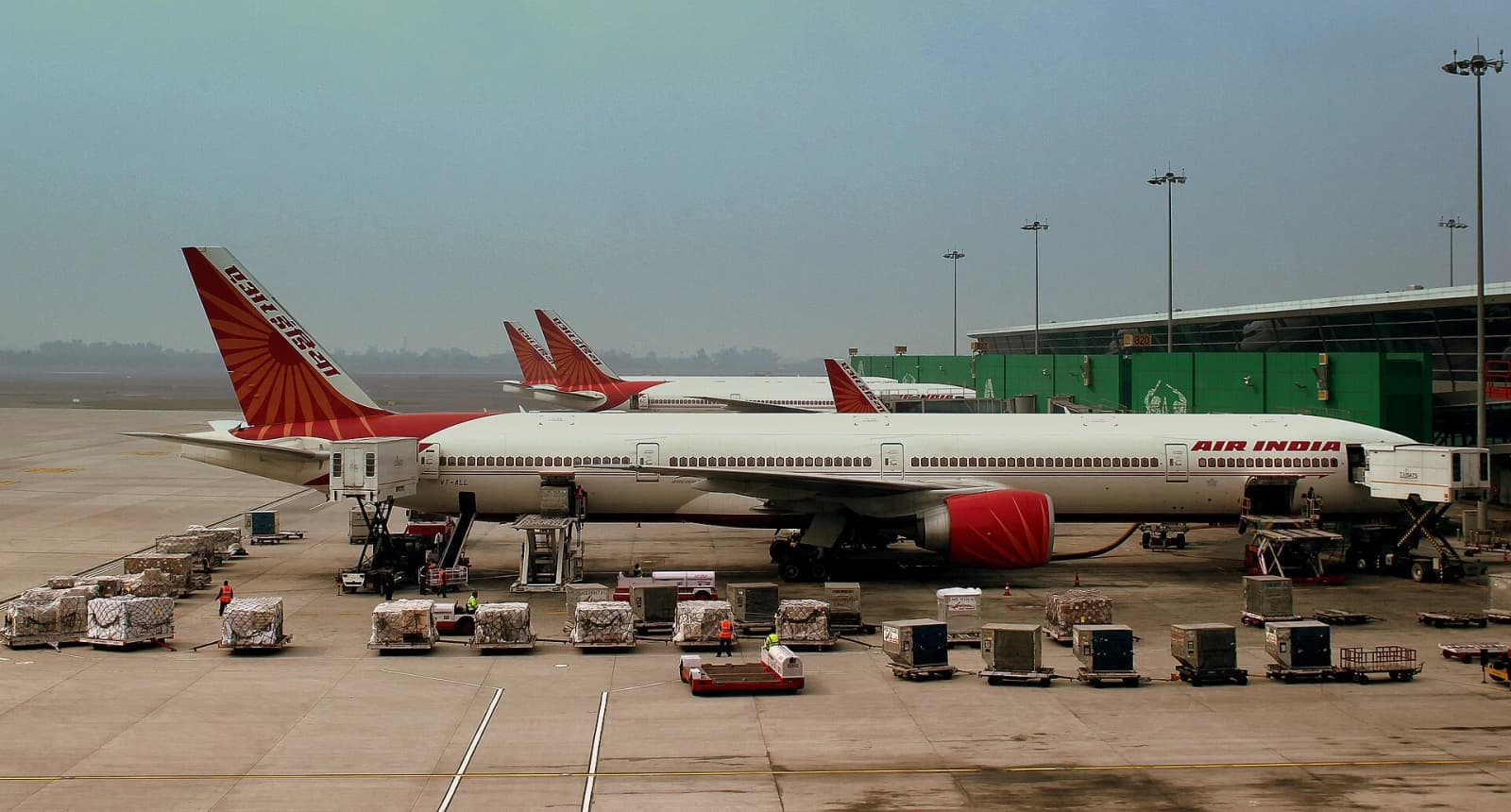
Cargo expansion forms another pillar of the turnaround push. With additional widebody jets joining the fleet, Air India plans to scale up belly-cargo operations on domestic and international routes and is evaluating dedicated freighter services, potentially by converting existing passenger aircraft.
Group Synergies Without Merging Brands
Reiterating a 'One Air India, One Air India Group' approach, Gebremariam said Air India and Air India Express will retain separate customer-facing brands and independent Air Operator Certificates while merging back-office functions such as finance, human resources, and information technology to eliminate overlap.