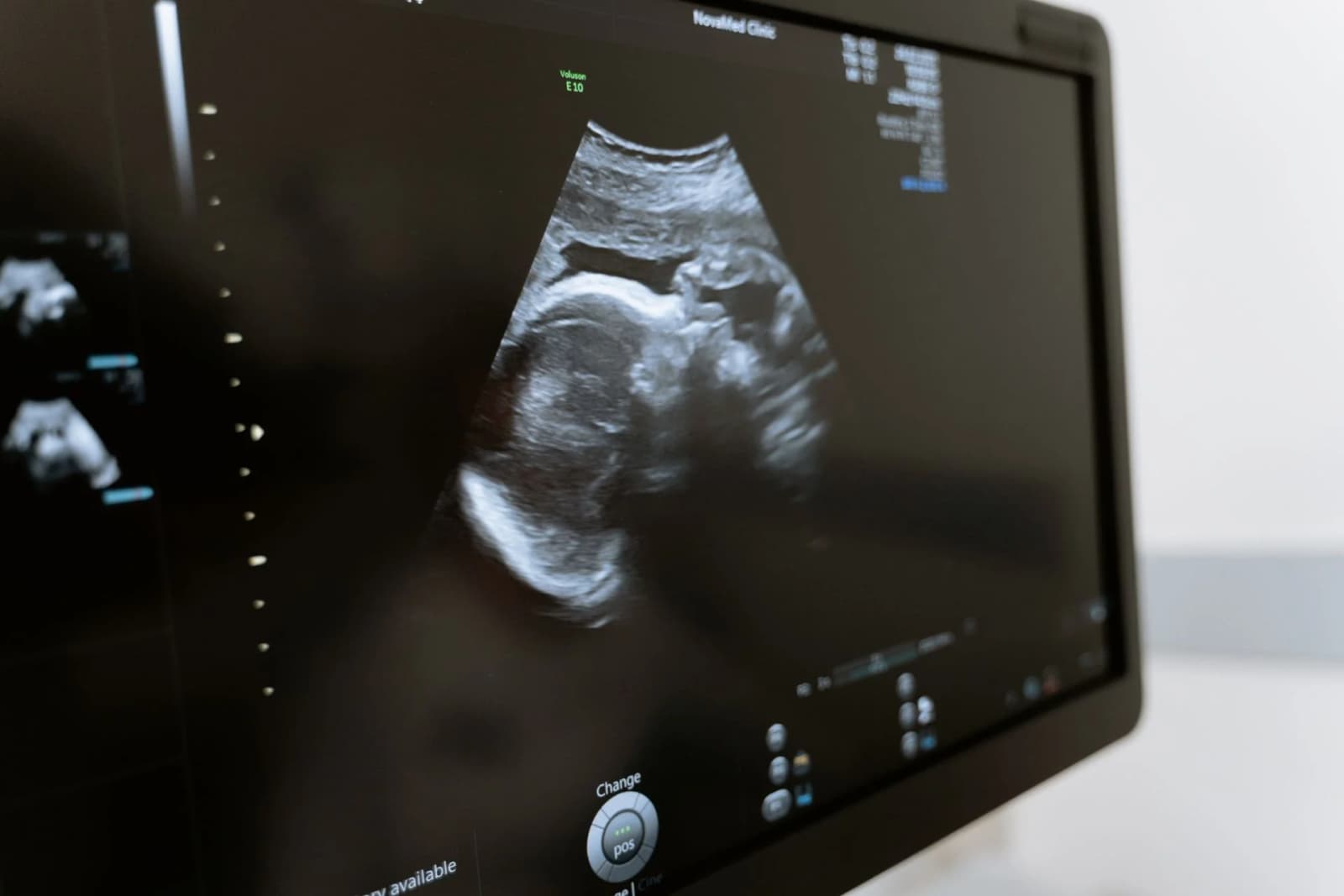
Doctors at the All India Institute of Medical Sciences (AIIMS), New Delhi, have operated on a baby still in the womb to close a severe defect in its spine. All India Radio's news service reported on 14 November that the institute described it as the country's first open fetal surgery for this condition.
The six-hour operation was carried out on 12 November at the AIIMS Neurosciences Centre. The fetus was 25 weeks old.
What the surgery was for
The unborn baby had lumbosacral myelomeningocele, which AIIMS called the most severe form of spina bifida. In this open neural tube defect, the spinal cord and its protective coverings push out through a gap in the spine. The defect in this case was in the lower back and was leaking cerebrospinal fluid.
According to the report, children born with the condition can develop paralysis, hydrocephalus (fluid build-up in the brain) and other neurological disabilities that last for life. The aim of repairing the defect before birth is to close the opening while the baby is still developing in the womb.
Five weeks of planning, more than 30 staff
AIIMS said the team spent more than five weeks preparing. This included detailed imaging of the fetus, non-directive counselling for the family, anaesthesia planning and a simulation of the operation.
More than 30 doctors and nurses took part. They came from obstetrics and gynaecology, maternal-fetal medicine, neurosurgery, obstetric and neuroanaesthesia, plastic surgery, radiodiagnosis and neonatology. The surgeons used high-end microscopes and were guided throughout by continuous ultrasound imaging.
Free under a government scheme
The family did not have to pay for the surgery. It was covered by the Janani Shishu Suraksha Karyakram (JSSK), the government programme that provides free care to pregnant women and sick newborns in public hospitals.
Why it matters
Babies with spina bifida usually have surgery only after birth. Surgery inside the womb is technically complex and needs many specialist teams working together. Carrying it out at a public hospital, at no cost to the family, could open a new treatment option for some families.
AIIMS was careful about the limits of the approach. It said fetal surgery is "a treatment for selected pregnancies and not a substitute for prevention of neural tube defects." Only some pregnancies are suitable, and preventing these defects in the first place remains the priority.
What happens next
The mother and fetus will stay under close watch by several departments for the rest of the pregnancy, during delivery and through the newborn period, AIIMS said. The report did not give details of the baby's condition after the operation, and the final outcome will only be known after birth and follow-up.